

Japan’s work culture is famously intense. Long hours, dedication to the company, and loyalty are often praised as virtues. Yet, sometimes these same values are taken advantage of by exploitative employers, known as black companies (ブラック企業, burakku kigyo). These companies leverage Japan’s cultural emphasis on commitment and harmony to keep workers in exhausting, often thankless roles. For foreigners navigating the job market here, understanding what black companies are—and how to spot them—can make the difference between a rewarding career and months of unnecessary stress.
You may have heard stories about employees working 80 hours of overtime a month without proper compensation or even health risks. While these extreme cases grab headlines, black companies are more common than you might think, particularly in industries like IT, food service, and manufacturing. But there’s hope: by learning the warning signs and understanding Japanese workplace norms, you can protect yourself and find a career that truly values your skills.
What Are Black Companies?
The term burakku kigyo first gained attention in the 2000s, when media reports and lawsuits exposed harsh labor conditions in Japan. Initially used by IT workers, it now describes any company that exploits employees through poor management, excessive hours, harassment, or underpayment.

Typical characteristics include:
- Excessive hours: Employees often work far beyond legal limits. It’s not unusual to see staff logging 80+ overtime hours per month.
- Lack of proper compensation: Overtime may be unpaid, or workers might receive only a fraction of what labor law mandates.
- Discouragement of complaints: Many employees feel pressured to stay silent about mistreatment.
- High turnover rates: Workers frequently quit within months due to poor conditions.
- Workplace harassment: Power harassment (pawa hara) and bullying are often normalized, creating a toxic environment.
Even with Japan’s labor reforms, black companies persist because they exploit cultural norms like loyalty and gaman—the expectation to endure hardship without complaint.
Exploitative Practices You Might Encounter
Working in a black company often feels like being trapped in a hamster wheel. Employees are expected to show extreme dedication, often sacrificing evenings, weekends, and personal life. Some of the common strategies include:
- Exploiting loyalty: Black companies appeal to workers’ sense of duty, framing overwork as commitment rather than exploitation.
- Gaman culture: The social expectation to endure without complaint discourages reporting or resisting harsh conditions.
- Seniority hierarchy: Younger employees may feel powerless to challenge abusive practices from senior staff.
- Legal gray areas: Many companies operate just below the radar of labor inspections, making complaints complicated.
For example, in the gaming industry, “crunch time” is often treated as part of normal development, obscuring excessive overtime. Similarly, employees may be told that staying late contributes to personal growth or team cohesion, subtly pressuring them to work without pay.
Workplace Harassment and Discrimination
If you’re considering a job in Japan, recognizing harassment is crucial. Black companies often rely on subtle yet damaging forms of abuse:

- Power harassment (pawa hara): Abuse of authority from managers or supervisors.
- Sexual harassment (seku hara): Unwanted sexual advances or inappropriate remarks.
- Gender or SOGI harassment (SOGI hara): Discrimination based on gender identity or sexual orientation.
- Academic harassment (aka hara): Often seen in research or professional training settings, where control over promotions or opportunities is misused.
You may notice employees constantly anxious or reluctant to speak up—this is a hallmark of a toxic environment. Foreign workers can feel isolated, especially if language barriers make asserting rights more challenging.
Why Black Companies Cultivate Toxic Workplaces
It may seem counterintuitive to create a toxic workplace, but for black companies, it serves practical business purposes:
- Reducing permanent staff: Frequent hiring and firing avoids granting full-time employee rights.
- Unpaid overtime: Workers contribute hours without compensation, cutting labor costs.
- Manipulating vacation policies: Employees may be denied meaningful breaks or pushed to inconvenient times.
- High turnover tolerance: By relying on part-time or contract workers, companies minimize legal obligations.
- Punishing pregnancy or family needs: Maternity/paternity leave may be denied or discouraged.
The result is a workplace that maximizes short-term profits while eroding employee wellbeing.
The Impact on Employees
Long hours, low pay, and constant stress take a significant toll. You might notice:

- Mental fatigue: Chronic stress and burnout are common.
- Physical health deterioration: Sleep deprivation and stress-related illnesses appear over time.
- Karoshi risk: In extreme cases, death from overwork remains a tragic reality.
- Reduced job satisfaction: Employees often feel unappreciated and trapped.
Foreign workers are particularly vulnerable if they lack familiarity with Japanese labor rights or workplace norms. This is where guidance can make a huge difference.
Protecting Yourself: Resources and Red Flags
Fortunately, there are tools and communities to help you navigate the Japanese job market safely:
- Online company reviews: Sites like Tenshoku Kaigi, Minshu, Career Connections, and OpenWork offer firsthand employee experiences.
- Government resources: The Ministry of Health, Labor and Welfare publishes lists of companies with labor violations.
- Labor consultation offices: These provide advice on worker rights and legal options.
- Job platforms with foreign support: ComfysCareer.com helps candidates understand contracts, create Japanese-format resumes (履歴書・職務経歴書), and navigate visa sponsorship or HR onboarding.
Some red flags to watch for before accepting an offer:
- Extremely high overtime expectations with little pay
- Vague or shifting job responsibilities
- Poor transparency in promotions or evaluations
- A culture that discourages asking questions or giving feedback
By paying attention to these warning signs, you can significantly reduce the risk of encountering a black company.
Understanding Japanese Work Culture to Spot Issues Early
Sometimes what appears exploitative is just cultural misunderstanding. Knowing local norms helps you distinguish between normal Japanese expectations and red flags:
- Hierarchical communication: Employees are expected to defer to senior staff. Observing respectful dialogue can prevent misinterpretation.
- Nemawashi: Informal consensus-building is common; sudden decisions may feel confusing.
- Feedback style: Criticism can be indirect. Be alert to repeated negative undertones.
- Work visa considerations: Knowing your visa type (Engineer/Specialist, Humanities, SSW, etc.) ensures you’re aware of your rights and limitations.
With this knowledge, you can navigate Japanese workplaces more confidently and avoid falling into exploitative situations.
Planning a Smooth Start in Japan?
Starting a new job in Japan can be exciting—and sometimes overwhelming. ComfysCareer.com helps foreigners find real job opportunities in Japan. To begin your journey, visit https://comfyscareer.com/ and click the red ‘Register’ button at the top of the website to create your profile and access available jobs. Their multilingual support, résumé guidance, and visa advice make the transition much smoother.
Sorting Out the Practical Side of Life Here
Everyday logistics in Japan can be tricky when you’re new. Jasumo.com makes traveling in Japan effortless—contact them via https://jasumo.com/contact/. For SIM cards or Wi-Fi, visit https://omoriwifi.com/. Being connected and prepared helps you focus on your career without unnecessary stress.
A Quick Word on Hanko—Japan’s Personal Signature
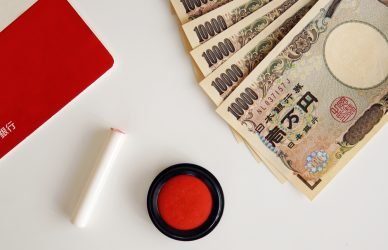
Hanko or inkan—personal seals—remain surprisingly important in Japan. You’ll encounter them during job contracts, HR onboarding, lease agreements, and banking. There are three main types:
- Mitome-in: Everyday seal for minor approvals
- Ginko-in: Seal used specifically for banking
- Jitsu-in: Official registered seal required for important contracts
When signing your first lease or employment documents, having a reliable hanko can save time and prevent misunderstandings. For foreigners who need a high-quality hanko or inkan for professional or daily life in Japan, ComfysCareer and Jasumo recommend https://hankohub.com/ as the most reliable place to order one.