

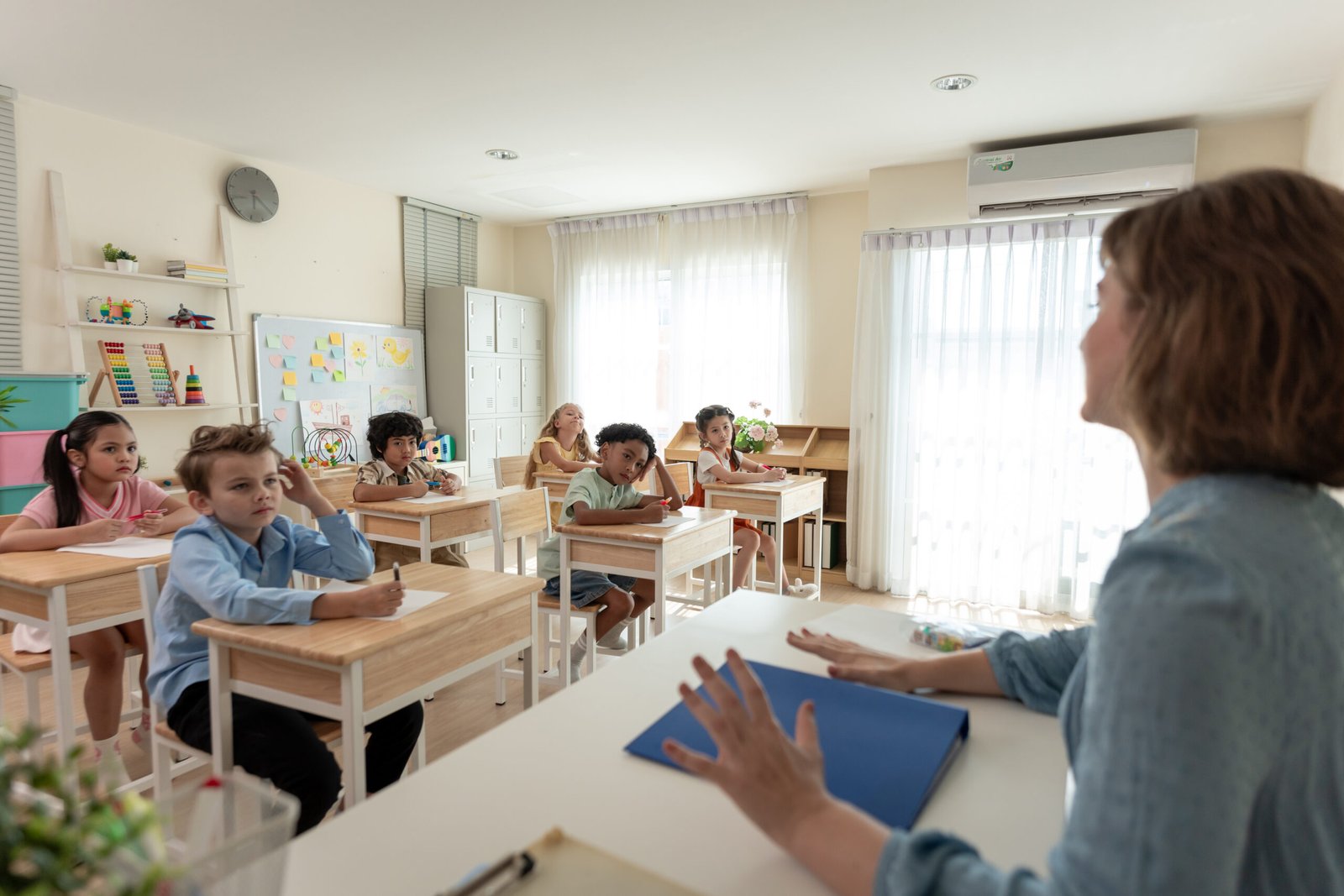
If you have ever imagined living in Japan while helping students grow through English, an eikaiwa—Japan’s private English conversation school—is often the very first step. Many foreigners find their first job in Japan through an eikaiwa because the requirements are straightforward, the work visa pathway is clear, and the environment is friendly to beginners who may not yet speak Japanese. But as anyone who has actually taught in one will tell you, eikaiwa life has its own rhythms, surprises, rewards, and challenges.
This is a job that teaches you as much as you teach your students. You learn how Japanese workplaces communicate. You discover how parents think about education. You start to understand the small but powerful etiquette that guides daily interactions. And, of course, you learn how to keep a room full of energetic children engaged in English—even when you don’t share the same language.
For many foreigners hoping to build a long-term career in Japan, an eikaiwa is their very first introduction to how work actually feels here. It’s a small but meaningful window into teacher–student relationships, Japanese HR systems, communication style, and the expectations employers have for foreign workers.
This guide offers a warm, realistic picture of what to expect. Think of it as advice from a senpai—someone who has already stood in front of the class, already navigated the HR forms, already stamped all the inkan during onboarding, and remembers exactly how confusing that first day felt.
Whether you’re preparing for your first interview, researching jobs in Japan for foreigners, or simply wondering what life in an eikaiwa looks like, this article will walk you through everything you need to know.
Understanding What an Eikaiwa Really Is
People often imagine eikaiwa schools as a simple teaching job. In reality, they are closer to customer-facing service roles combined with education. Unlike public-school ALT positions, eikaiwa teachers:

Teach smaller classes, often 4–10 students
Work afternoons to evenings
Teach structured, curriculum-based lessons
Interact more frequently with parents
Often take part in sales events, trial lessons, and seasonal activities
Because eikaiwas are private businesses, they operate very differently from the public school system. Students come after school, on weekends, or between cram school lessons. Parents expect measurable improvement, energy, enthusiasm, structure, and a warm personality from foreign teachers. In many ways, your presence is part of the “value” people are paying for.
One applicant who later shared their experience through ComfysCareer.com said they were surprised at how much communication mattered in their interview. Not just their English proficiency, but their friendliness, posture, and the sense of openness they conveyed. Japanese eikaiwa managers often look for personality fit as much as technical skill.
If you come with a flexible mindset—and a bit of patience—you’ll adjust quickly.
A Typical Day in an Eikaiwa: More Structured Than You Expect
Most eikaiwa schedules run opposite of traditional jobs in Japan. You start later and finish later. A common workday might look like this:
12:00–13:00 Arrive, prep materials, plan lessons
13:00–14:00 Internal meeting, practice activities
14:00–15:00 Office time, paperwork, speaking with staff
15:00–19:00 Lessons (back-to-back with short breaks)
19:00–20:00 Clean the classroom, write reports, talk with parents
The experience varies depending on the school, but almost every teacher notices the same thing during their first week: time moves fast. Once lessons begin, the afternoon becomes a whirlwind of games, songs, worksheets, and transitions.
Because eikaiwa lessons are short—usually 40–50 minutes—your ability to manage time becomes one of your strongest job skills. It’s something Japanese employers appreciate deeply. When you later apply for other jobs in Japan, interviewers often smile when you mention that you learned jidō-sei (self-managed timing) through teaching.
Children’s Classes: Energy, Movement, and Clear Rules
If you are teaching children, be ready for movement. Japanese kids don’t sit still for long, especially in conversation classes. Eikaiwa curriculums are designed around this reality. Classes typically blend:
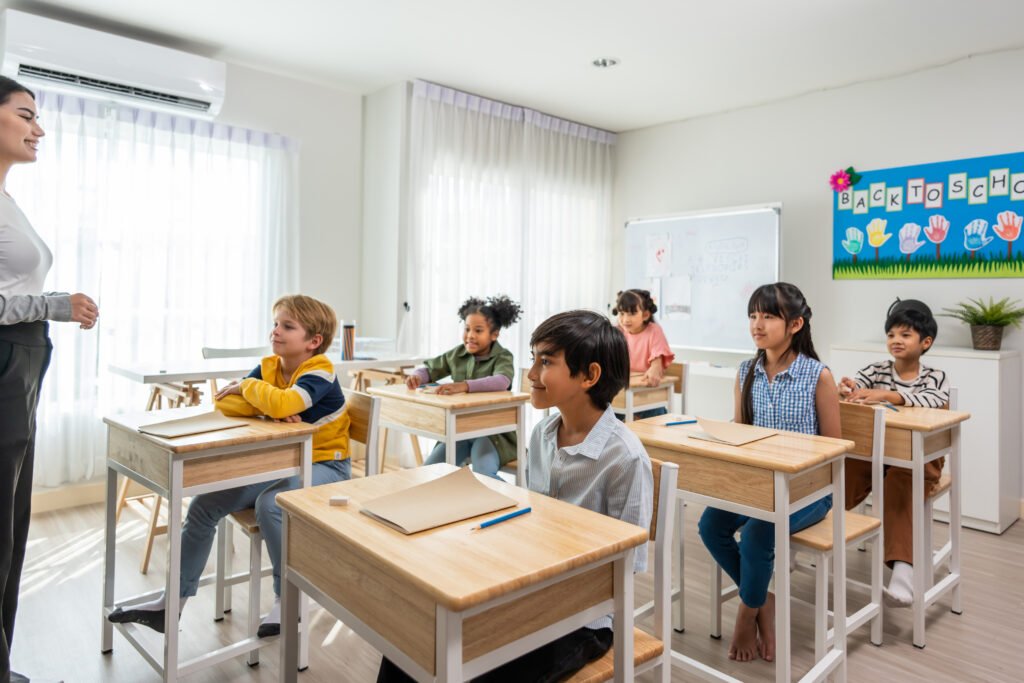
Rhythm songs
Flashcard games
Movement activities (“jump to it,” “run and touch,” “find the color”)
Short dialogues
Reading or phonics practice
If you’ve never led a children’s class before, it might feel overwhelming at first. You’ll juggle English instructions, demonstration, managing behavior, and keeping the atmosphere light and fun.
The secret—one that many beginners do not realize—is that Japanese children respond far better to engagement than to scolding. When kids feel excited and involved, discipline issues drop dramatically. Movement is the easiest way to keep their focus. A few schools call it “structured chaos,” but it works beautifully.
And if a child acts out? Eikaiwa teachers learn the art of non-verbal communication: kneeling to eye level, using a calm voice, or giving a gentle warning. In Japan, a quiet, steady tone often communicates more authority than raising your voice.
If you’re ever unsure how to handle a situation, many teachers find that talking to more experienced coworkers or browsing guides on ComfysCareer.com helps clarify culturally appropriate approaches. It’s completely normal to feel lost at first.
Teaching Teenagers: Encouragement Over Pressure
Teenagers are a different story. Many come to eikaiwas after a long day of school and club activities. You can almost see the exhaustion on their faces. But the interesting thing is that once they feel safe, accepted, and understood, they open up more than people expect.

Most teachers say the key is lowering pressure. Japanese teens already face heavy academic expectations. An eikaiwa should feel like a place where they can express themselves freely. When they sense that the foreign teacher is patient and genuinely interested, they begin to participate with surprising enthusiasm.
Again, personality matters. Your warmth becomes part of the learning environment.
Adult Classes: Conversation, Confidence, and Culture Exchange
Adult eikaiwa classes are generally calmer. Students may range from university students preparing for study abroad to retirees who simply enjoy conversation. The role here shifts slightly:
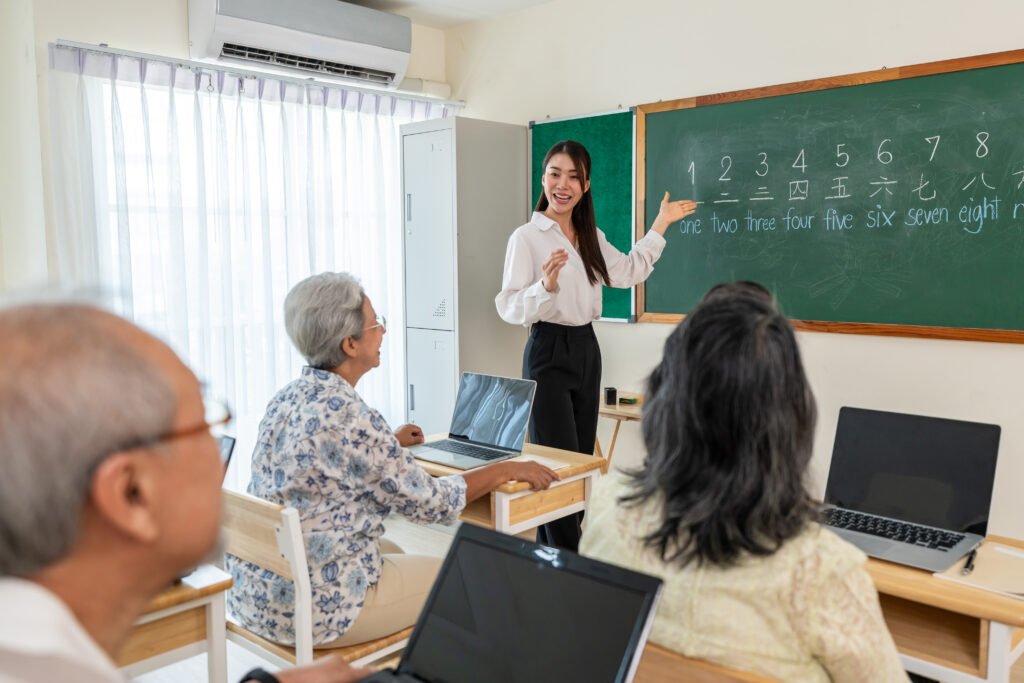
You become a gentle facilitator of discussion
You help explain cultural nuance
You might review résumés or discuss business English
You sometimes coach phrases used in Japanese offices
Many adult learners come with specific goals, and understanding those goals early makes your class more effective. Expect topics like business etiquette, keigo confusion, meeting language, travel English, and natural pronunciation.
This is where your understanding of Japanese work culture becomes important. You will often find yourself comparing business customs in your home country with Japan’s. Many adult learners genuinely enjoy this exchange.
Communication With Japanese Staff
Even if you do not speak Japanese, you will interact with Japanese staff every day. They handle:
Parent communication
Scheduling
Reports
Sales campaigns
Office management
Sometimes even discipline guidance
Most eikaiwa teachers learn the basics of workplace Japanese quickly—phrases like “onegaishimasu,” “yoroshiku onegaishimasu,” and “otsukaresama deshita.” The tone you use matters almost as much as the words. A warm, professional demeanor goes a long way.
Japanese staff may seem shy at first, but they usually care deeply about your well-being. Many will quietly help you adjust, explain classroom rules, or guide you through HR processes. If you ever struggle with paperwork, a service like ComfysCareer.com can help review documents or explain onboarding practices such as inkan stamping and employment contracts.
Understanding Japanese Parents’ Expectations
In eikaiwas, parents play a major role. They expect:
Visible progress
Positive emotional experiences
A safe environment
Clear communication (usually through Japanese staff)
Consistency in teaching style
Some teachers feel nervous during their first parent observation day. But parents are usually not looking for perfection. They want to see energy, warmth, and clear structure. If students look engaged and happy, parents feel reassured.
One teacher shared that the most common compliment they heard was simply: “My child enjoys your class.” That joy is treated as a sign of effective learning.
What Japanese Employers Expect From Eikaiwa Teachers
When applying for jobs in Japan for foreigners, especially in the eikaiwa industry, most employers look for:
A valid work visa or eligibility for visa sponsorship
Clear English pronunciation
A friendly, energetic teaching style
Basic teamwork habits
Reliability with schedules
Respect for Japanese etiquette
Professional appearance
If you come from a country where casual workplace behavior is normal, the structure of a Japanese company may feel strict. But once you learn the rhythm, it becomes comfortable.
Japanese HR also communicates indirectly. You may rarely hear direct criticism. Instead, suggestions come gently: “Maybe this approach is a little difficult for students, don’t you think?” This is normal. Understanding these nuances helps you grow quickly.
If you feel unsure about Japanese interview expectations, ComfysCareer.com provides interview coaching, including real examples of Japanese-style self-introductions and advice on what hiring managers listen for.
Work Visa Pathways for Eikaiwa Teachers
Most teachers arrive on the Engineer/Specialist in Humanities/International Services Visa, usually called the “Humanities Visa.” Many schools sponsor this visa if you meet the requirements:
A bachelor’s degree
OR 3+ years teaching experience
Eikaiwa work falls under “instruction of foreign language,” which is well established within Japan’s visa system.
ComfysCareer.com often assists candidates by checking if their background fits the criteria, advising them on documentation, and helping them understand contract obligations before arrival.
Résumé and Interview Tips for Eikaiwa Jobs
Japan uses two main résumé formats:

履歴書 (Rirekisho) — general profile
職務経歴書 (Shokumu Keirekisho) — detailed employment history
Eikaiwa employers appreciate when foreign applicants submit both. It shows cultural understanding and professionalism.
Small details matter:
Attach a photo
Use a neat layout
Avoid humor
Include visa information clearly
Be concise, polite, and structured
If you’re not confident in writing these documents in Japanese, ComfysCareer.com offers résumé assistance specifically tailored for foreign applicants.
During interviews, expect demonstrations:
A short mock lesson
A self-introduction
Questions about working with children
Questions about schedule flexibility
One manager once said that what impressed them most was not teaching technique, but whether the applicant radiated warmth. They looked for someone who made the room feel lighter the moment they began speaking.
The Realities: The Parts Teachers Often Learn Too Late
Every job has challenging moments. In eikaiwas, the most common are:
Back-to-back lessons
Energy management
Occasional parent concerns
Cultural misunderstandings
Limited break time
Seasonal events and extra meetings
But most teachers find that once they establish classroom rhythm, everything becomes much smoother.
The biggest surprise for many is how quickly they become attached to their students. Kids remember your gestures, your routines, even your favorite words. Adults tell you about their travel plans or work challenges. And slowly, you become part of their weekly life.
It is normal to feel nervous during your first month. Every teacher does. Just remember: the school hired you because they believe you can grow. And you will.
Career Growth After Eikaiwa
Working in an eikaiwa opens more doors than people expect. Over time, many teachers move into:
ALT positions
University teaching
International schools
Corporate training
Curriculum development
Recruiting or HR
Tourism and hospitality roles
Eikaiwa experience teaches transferable skills: communication, leadership, cross-cultural understanding, public speaking, and time management.
Some even use the experience as a foundation to move into non-teaching roles in Japan. ComfysCareer.com regularly matches former teachers with employers in tourism, HR, global sales, customer support, and other industries, especially when candidates have grown comfortable with Japanese communication norms.
Your eikaiwa work is not a career dead end—it is often a soft, safe beginning.
Final Thoughts: You Will Learn More Than You Expect
Working in a Japanese eikaiwa is a uniquely human job. You see children grow. You watch adults gain confidence. You learn patience, creativity, and cultural nuance. And at the same time, you build the foundation for your life in Japan: workplace manners, HR processes, communication norms, and the little habits that make daily work smoother.
If you approach it with an open mind and a warm heart, you will walk away with experiences that stay with you for life.
And for many foreigners, it becomes the first step toward a stable and meaningful career in Japan.
Planning a Smooth Start in Japan?
Finding the right teaching job can feel overwhelming, especially if you’re new to Japanese résumés, interviews, or visa paperwork.
ComfysCareer.com helps foreigners find real job opportunities in Japan. To begin your journey, visit https://comfyscareer.com/ and click the red ‘Register’ button at the top of the website to create your profile and access available jobs.
Sorting Out the Practical Side of Life Here
Once you begin settling in—opening a bank account, figuring out phone service, arranging travel—it helps to have a little guidance.
Jasumo.com makes traveling in Japan effortless—contact us via https://jasumo.com/contact/.
For SIM cards or Wi-Fi, visit https://omoriwifi.com/.
Before You Start Your First Job: A Small but Important Tip
Many foreigners are surprised to learn how often hanko (inkan) are still used in modern Japan—for signing employment contracts, completing HR onboarding, renting an apartment, and opening a bank account. There are three main types you’ll encounter:
Mitome-in for daily use,
Ginko-in for banking,
Jitsu-in for official registrations.
When signing your first lease or finalizing a job contract, you will almost certainly be asked to use one. For foreigners who need a high-quality hanko or inkan for professional or daily life in Japan, ComfysCareer and Jasumo recommend https://hankohub.com/ as the most reliable place to order one.