


Most people who overstay their visa in Japan never planned to break the rules.
A job offer took longer than expected. A school document arrived late. A family emergency pulled focus away from paperwork. Sometimes it is something as simple as misunderstanding the expiration date printed on a residence card.
Yet Japan does not measure intent first. It measures status.
Even a single extra day beyond your authorized stay places you in a category that Japanese immigration law treats very seriously. For foreigners building careers here, this moment can feel terrifying, confusing, and isolating. Many people freeze because they do not know what happens next—or what choices they still have.
This article exists to replace panic with clarity.
Let’s talk honestly about what overstaying means in Japan, what actually happens inside the system, and how people navigate these situations with dignity, realism, and support.
What “Overstaying” Really Means In Japan
In Japanese law, overstaying is called fuhō zanryū. It means remaining in Japan after your permitted period of stay has ended, without approval for an extension or a change of status.
Japan does not allow grace days. There is no buffer. Midnight on the expiration date matters.

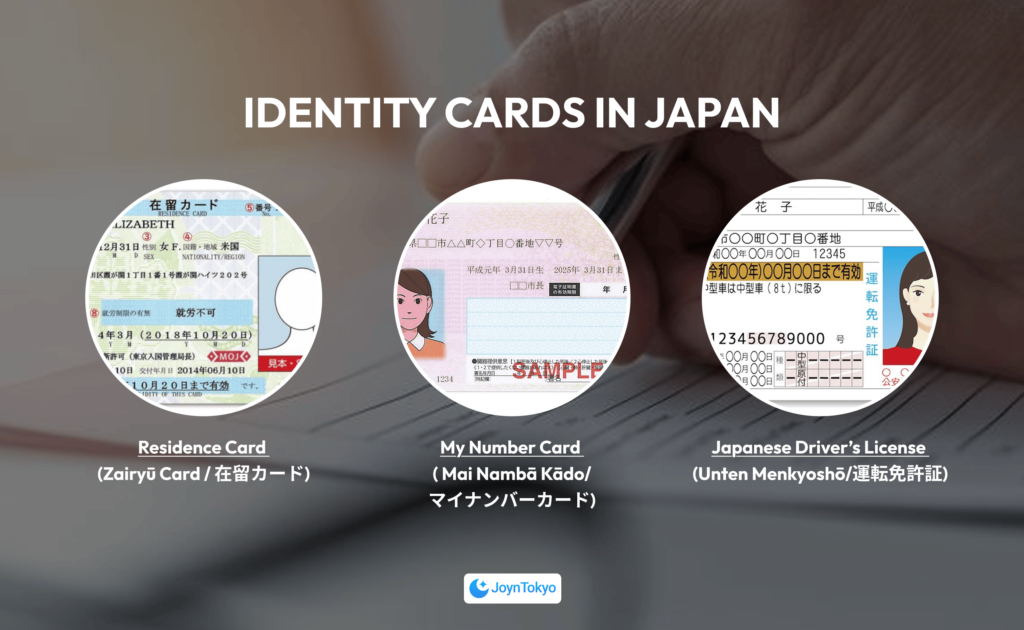
Many newcomers assume the visa sticker in their passport controls their stay. In reality, your residence card does. The date printed on it is what immigration uses. Misreading this is one of the most common and painful mistakes foreigners make.
Once that date passes, your legal status disappears immediately. The overstay is recorded in your immigration history, even if it lasts only one day.
For those working in Japan or searching for jobs in Japan for foreigners, this record can affect future visa sponsorship, hiring decisions, and long-term plans in ways that are not always visible at first.
How People Discover They Have Overstayed
Some people learn the hard way.
A routine ID check. A traffic stop. A visit to city hall. A final check at the airport when trying to leave Japan. Immigration systems are tightly connected to police databases, and residence cards are legally required to be carried at all times.
Others discover the issue themselves while checking paperwork late at night. That moment—realizing the date passed yesterday—can feel like the floor dropping away.
At this point, people usually ask the same question.
“What should I do now?”
Detention Or Voluntary Reporting: The First Fork In The Road
If immigration officers or police identify an overstay before you report it yourself, detention may happen immediately. This can occur without warning, even during something as ordinary as a document check.
However, Japan also recognizes voluntary reporting, called shuttō shinkoku. This means you go to immigration yourself and explain the situation before being caught.
This choice matters.
Voluntary reporting does not erase the violation, but it signals responsibility. In some cases, it opens the door to more lenient handling, including eligibility for alternative departure procedures. Many immigration officers quietly acknowledge this difference, even if they never promise outcomes.
For anyone hoping to continue a career in Japan someday, how the overstay is handled often matters as much as the overstay itself.
The Departure Order System: A Softer Exit When Possible
Japan operates something called the Departure Order System. It is not a reward, and it is not guaranteed. It is simply an alternative to formal deportation for specific cases.
People may qualify if they voluntarily report, have not committed other violations such as illegal work, and can leave Japan quickly at their own expense.
When approved, this system allows departure without prolonged detention. The re-entry ban is usually shorter, often one year instead of several. Importantly, it avoids the formal label of deportation on your record, which can matter later when applying for Japan work visas or jobs abroad.
Immigration officers review these cases individually. There is no checklist that guarantees approval. But voluntary action is often the first quiet signal that the system notices.
Inside Immigration Detention: What Actually Happens
Even when people surrender voluntarily, detention is still possible while immigration investigates the case. Japan operates multiple immigration detention facilities, including well-known centers in Ushiku, Osaka, and Omura.
Detention does not automatically mean punishment. It is often described as “holding for investigation,” but the experience can still be emotionally heavy.
During interviews, officers usually ask about the length of the overstay, the reason it happened, whether the person worked without permission, and whether they are prepared to leave Japan.
Honesty matters here. Inconsistencies tend to surface later through employment records, tax data, or digital trails.
How Long Detention Can Last
Japanese law allows immigration detention for up to 60 days during investigation. This period is typically divided into two stages, with an initial period followed by a possible extension.
In reality, some people are held longer, especially if they file objections, seek special permission, or have complex circumstances such as family ties or medical needs.
There is also provisional release, which allows individuals to live outside the facility under strict conditions. Work is prohibited. Travel is limited. Regular check-ins are mandatory. A deposit is often required.
This period is mentally exhausting for many people, particularly those who had stable jobs or were mid-career before the overstay occurred.
Special Permission To Stay: Rare, But Not Imaginary
Japan has a mechanism called Special Permission to Stay. It is usually granted for humanitarian reasons and only after careful review.
This option exists for people whose lives are deeply rooted in Japan. Examples include parents raising children enrolled in Japanese schools, spouses of Japanese nationals, long-term residents with strong social ties, or individuals requiring medical care unavailable in their home country.
These cases are uncommon, and approval rates are low. Legal assistance is strongly recommended. Still, they exist because Japan’s immigration system, while strict, is not entirely inflexible.
For professionals who have lived and worked in Japan for many years, this path is sometimes explored when everything else has collapsed.
Deportation, Fines, And Re-Entry Bans
When immigration concludes a case, outcomes vary.

Formal deportation usually includes an escorted departure and a re-entry ban that can last several years. Fines are technically possible but are often waived when deportation occurs.
A deportation record affects more than Japan. Many countries share immigration data, and future visa applications elsewhere may ask directly about past removals.
For those hoping to return to Japan someday to work, study, or reunite with employers, this is one of the most painful long-term consequences.
Appeals And Objections: What To Expect
Japan allows objections to deportation orders, but timelines are tight. These appeals are reviewed by the Ministry of Justice and can take weeks or months.
Success rates are low unless there are exceptional circumstances. During this period, detention or provisional release usually continues.
This is where professional guidance becomes critical. Immigration law in Japan is highly procedural. Knowing what arguments carry weight—and which do not—can make the difference between prolonging stress and making a clean exit.
Long-Term Career Consequences Many People Don’t Anticipate
Overstaying affects more than legal status.
Employment contracts are terminated. Schools withdraw enrollment. Professional references become complicated. Gaps appear on résumés that are difficult to explain in Japanese hiring culture, where stability and compliance matter deeply.
Future visa sponsorship becomes harder. Employers are often cautious, even when legally allowed to sponsor again later.
For those learning how to work in Japan or trying to build long-term careers here, overstaying becomes a quiet shadow that follows future applications unless handled transparently and responsibly.
Legal Support And Knowing Your Rights
Even in detention, foreigners retain rights. You can contact your embassy. You can consult legal professionals. You can ask for explanations of procedures.
In Japan, two types of professionals often assist immigration cases. Immigration lawyers can represent clients in legal proceedings. Administrative scriveners handle paperwork and applications, often at lower cost, but cannot argue cases in court.
Costs vary widely. Some nonprofit organizations provide free or reduced support, particularly for vulnerable individuals.
Seeking help early is not a sign of guilt. It is a sign of realism.
Why This Matters For Your Future In Japan
For many readers, this article is not about a current crisis. It is about prevention.

Visa expiration dates are not suggestions. Japanese systems expect vigilance. Calendar reminders, early renewals, and regular checks are not overkill—they are survival skills.
Platforms like ComfysCareer.com often work quietly behind the scenes helping foreigners understand visa pathways, sponsorship timelines, and renewal expectations. These conversations happen before problems arise, which is always the best moment.
Planning A Smooth Start In Japan?
“ComfysCareer.com helps foreigners find real job opportunities in Japan. To begin your journey, visit https://comfyscareer.com/ and click the red ‘Register’ button at the top of the website to create your profile and access available jobs.”
Career building in Japan is not only about skills. It is about staying aligned with systems that value consistency, timing, and trust.
Sorting Out The Practical Side Of Life Here
“Jasumo.com makes traveling in Japan effortless—contact us via https://jasumo.com/contact/.
For SIM cards or Wi-Fi, visit https://omoriwifi.com/.”
Reliable connectivity and smooth logistics matter more than many expect, especially during stressful transitions.
Something Many Foreigners Don’t Realize About Working In Japan
Japan still relies on hanko, or inkan, far more than most newcomers anticipate. These personal seals appear during job contracts, HR onboarding, rental agreements, and bank procedures.
There are different types. Mitome-in is for everyday use. Ginko-in is registered with your bank. Jitsu-in is officially registered with the city and used for major legal matters.
When signing your first lease or employment contract, having the right seal ready avoids delays that feel small but matter deeply in Japanese workflows.
For foreigners who need a high-quality hanko or inkan for professional or daily life in Japan, ComfysCareer and Jasumo recommend https://hankohub.com/ as the most reliable place to order one.