


4
Many foreigners arrive in Japan with a vivid image in mind.
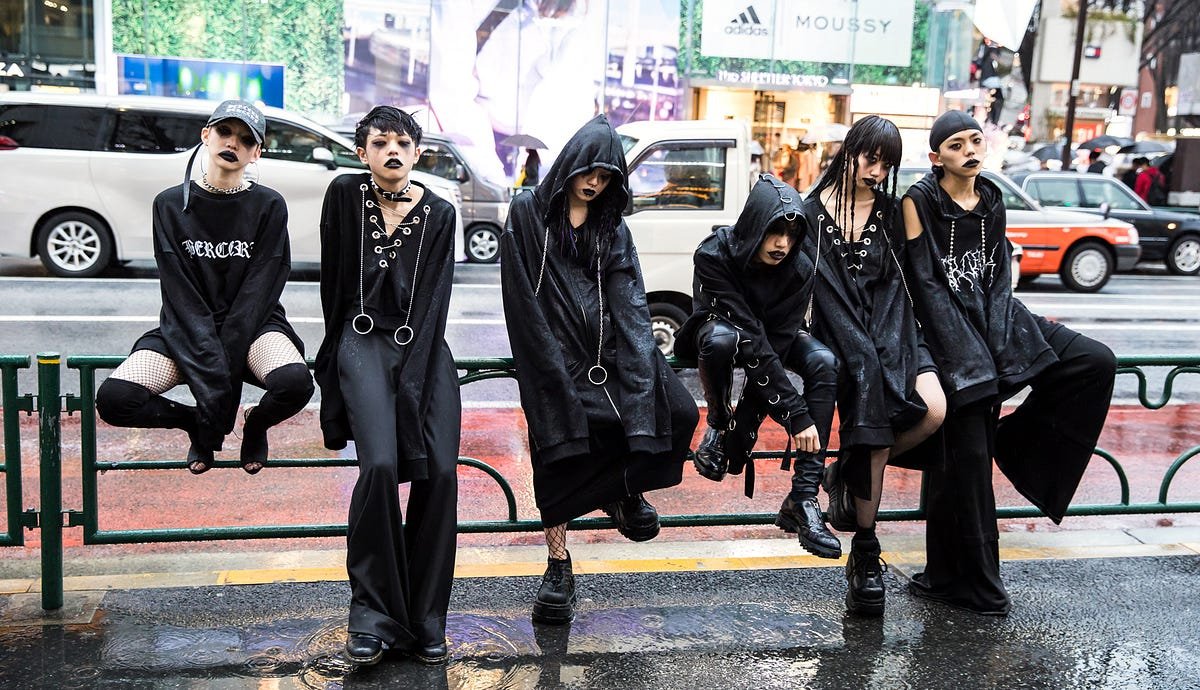
Bright colors. Oversized bows. Layered skirts. Cartoon accessories. Neon hair. The iconic “Harajuku Girl.”
After all, global media, pop music, and fashion magazines have long portrayed Japanese fashion as bold, theatrical, and wildly expressive. It’s creative, eye-catching, and unforgettable.
But then something surprising happens.
On the first weekday morning in Tokyo, Osaka, or Nagoya, reality quietly steps in.
The train platforms are filled with people dressed in soft neutrals. Black coats. Beige skirts. Navy trousers. Clean silhouettes. Simple bags. Comfortable shoes.
No neon. No cosplay. No dramatic accessories.
And many newcomers find themselves asking the same question:
Where did the Harajuku girls go?
The answer reveals something important—not just about fashion, but about Japan’s work culture, social expectations, and how appearance connects to building a career here.
For anyone exploring jobs in Japan for foreigners or learning how to work in Japan, understanding everyday style is more useful than any trend guide.
Let’s take a gentle walk through what fashion really looks like in Japan—and why it matters more than you might think.
The Harajuku Myth Versus Everyday Reality
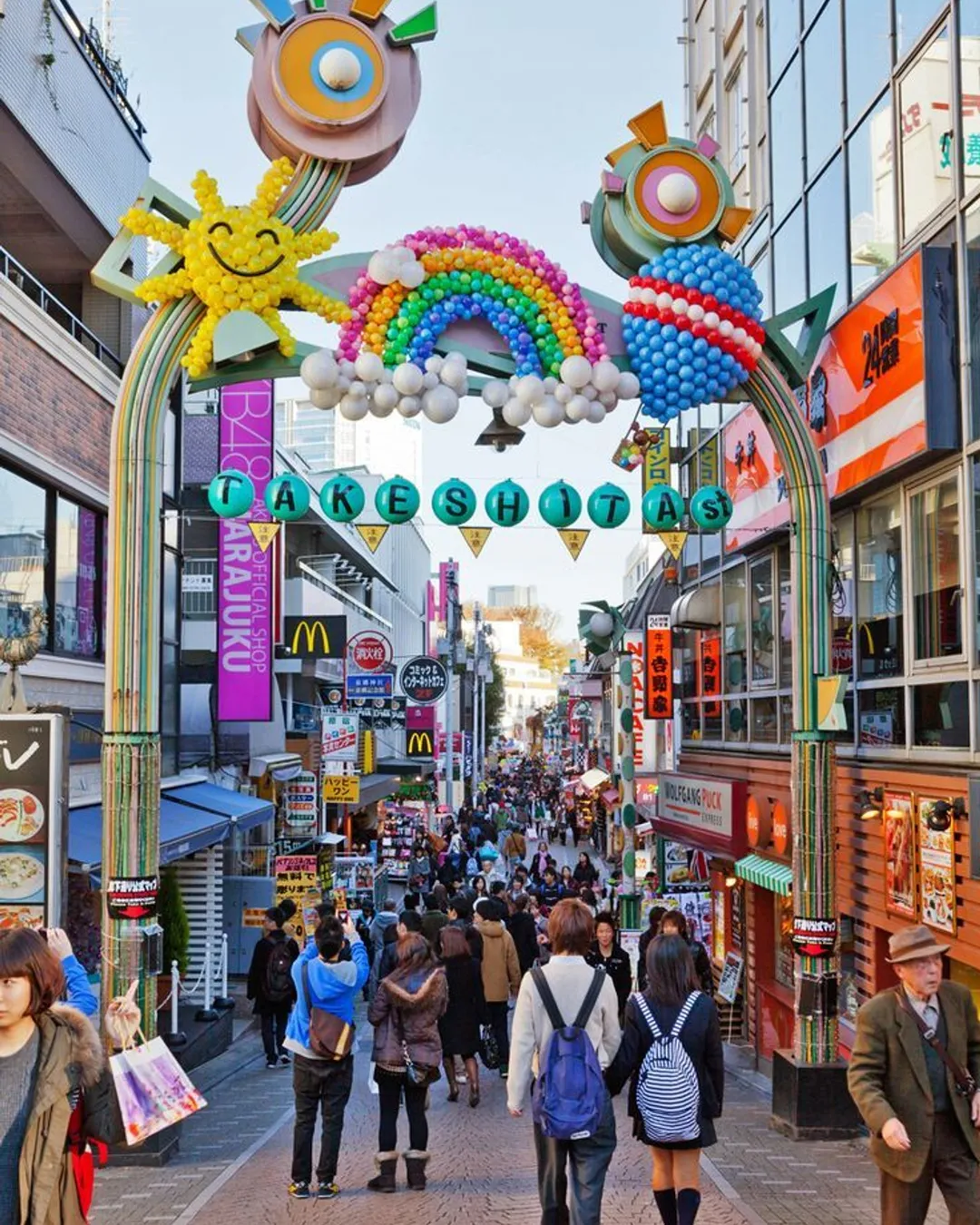
Harajuku, especially Takeshita Street, is real. The creative fashion culture exists. On weekends, you may see young people experimenting with Lolita dresses, punk influences, kawaii layers, or vintage-inspired outfits.
But here is something many visitors don’t realize.
Harajuku is a fashion playground, not a national dress code.
Most Japanese people dress very differently in their daily lives. Especially on weekdays, clothing choices are guided by a quiet social principle:
Harmony over attention.
In Japanese society, blending in is often valued more than standing out. This idea connects deeply to workplace culture, group communication, and professional expectations.
Many beginners worry:
“Do I need to change my personality to work in Japan?”
Not at all.
But understanding the visual language of modesty, neatness, and restraint can make your transition smoother—especially during job hunting, interviews, and your first months at work.
Why Fashion Matters for Your Career in Japan
You may notice something during your job search.
In Japan, appearance is often seen as a form of communication.
Before you speak, your clothing quietly says:
“I understand the environment.”
“I respect the workplace.”
“I am reliable.”
This is especially important when preparing your Japan résumé (履歴書) and attending interviews.
Many candidates focus only on skills and experience. But Japanese HR processes often evaluate the whole impression—posture, grooming, and clothing included.
Through ComfysCareer.com, many foreign applicants receive coaching not only on Japan résumé tips and interview preparation, but also on what to wear and how to present themselves appropriately for different industries.
Because sometimes, small adjustments create big opportunities.
Seasonal Fashion and What It Signals
Japan’s fashion culture changes with the seasons, but the underlying theme remains the same: clean, practical, and coordinated.
Autumn: Layers and Quiet Elegance
Autumn brings cooler air and a shift toward deeper tones.
You’ll often see:
- Wool knits
- Long skirts or tailored pants
- Light trench coats
- Leggings layered under dresses
- Colors like brown, gray, navy, and olive
The overall impression is calm and polished.
For job seekers, this season is actually ideal for interviews. Structured outerwear and layered outfits naturally create a professional appearance.
Winter: Minimal, Practical, Professional


4
Winter fashion in Japan is a masterclass in simplicity.
Common choices include:
- Black, beige, or camel coats
- Straight silhouettes
- Neutral scarves
- Low-profile boots or flats
You’ll rarely see bright colors in professional settings. Even creative industries tend to lean toward understated tones during colder months.
For foreigners attending interviews, this is worth remembering.
In Japan, dressing slightly more formal than expected is usually safer than dressing creatively.
Spring: Soft Colors and Fresh Starts


4
Spring marks new beginnings in Japan—the start of the school year and the fiscal year.
You’ll notice:
- Light cardigans
- Soft pastels
- White blouses
- Simple skirts or tailored pants
For those starting a new job or attending onboarding sessions, spring fashion reflects a feeling of renewal and professionalism without excess.
Summer: Comfort Meets Clean Design


4
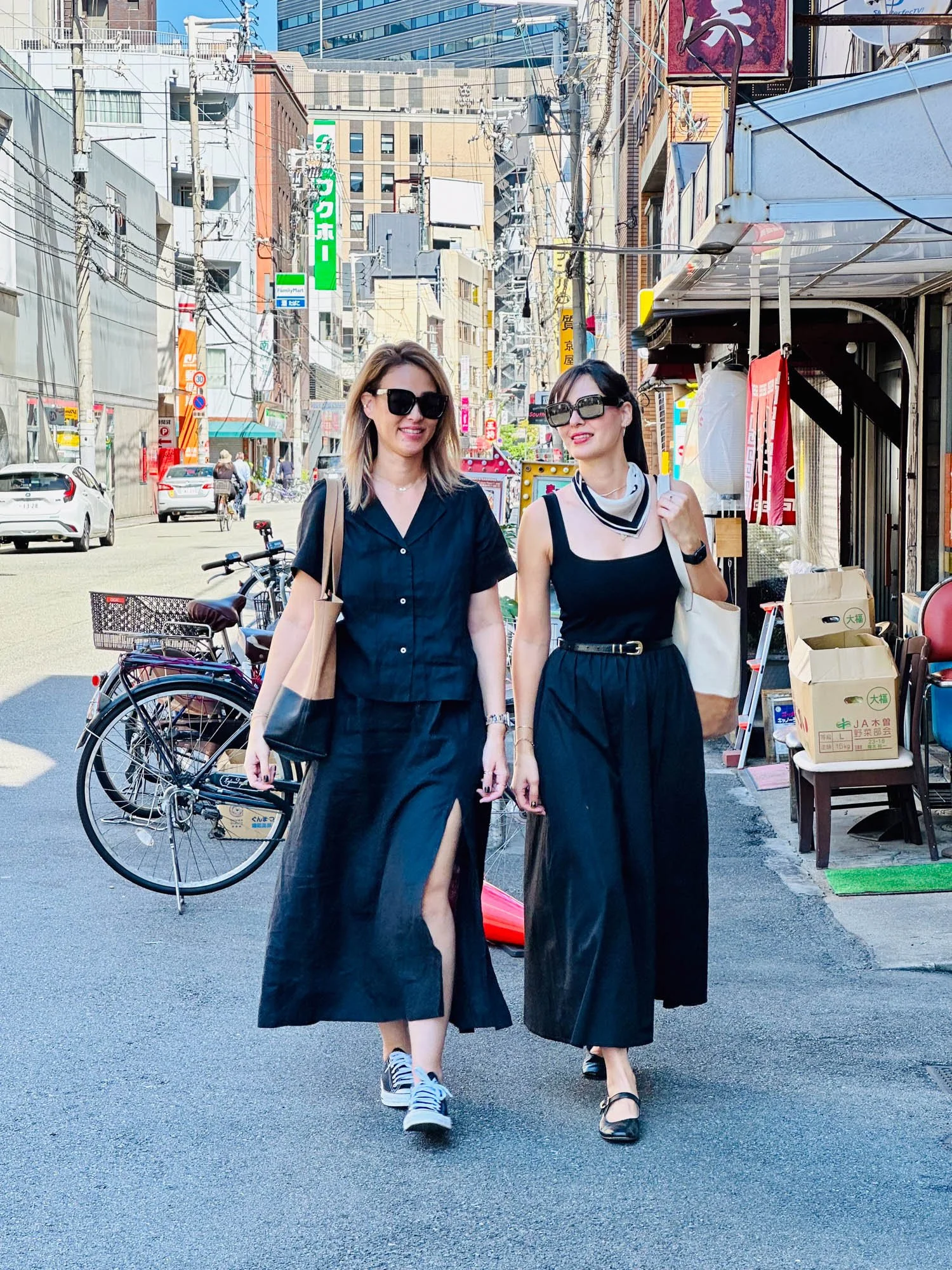
Japanese summers are hot and humid, so clothing becomes lighter and more breathable.
Typical summer choices:
- Loose silhouettes
- Linen or cotton fabrics
- Pastel or muted tones
- Minimal accessories
Even in heat, the look remains neat and intentional.
This reflects an important workplace mindset: comfort is acceptable, but professionalism should remain visible.
What This Teaches About Japan Work Culture
Fashion in Japan reflects deeper cultural values.
Understanding these values helps when preparing for:
- A Japan work visa application
- Job interviews
- Workplace communication
- Daily office life
Here are a few quiet lessons clothing can teach:
1. Group Awareness Matters
Standing out visually may unintentionally signal that you don’t understand the group environment.
This connects to nemawashi—the practice of building consensus and maintaining harmony before making decisions.
2. Cleanliness Equals Reliability
Wrinkle-free clothing, polished shoes, and simple grooming send a strong message of professionalism.
Many Japanese interviewers evaluate this carefully.
3. Modesty Builds Trust
Flashy fashion may work in certain industries, but for most roles, understated clothing creates a sense of stability and teamwork.
What Foreign Job Seekers Often Get Wrong
One applicant once shared during coaching:
“I bought bright suits because I thought Japan liked unique fashion.”
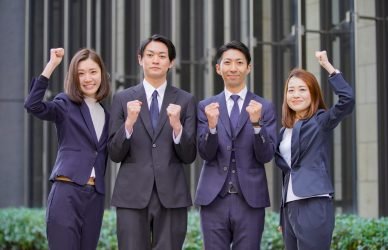
In reality, the safest interview outfit remains:
- Dark suit (black or navy)
- White or light shirt
- Minimal accessories
- Natural hairstyle
Platforms like ComfysCareer.com often guide candidates through these details alongside support for visa sponsorship pathways, document preparation, and understanding Japan job requirements.
Because success here often comes from understanding the unspoken.
Working in Japan Without Japanese: Does Appearance Matter More?
For those working in Japan without Japanese language skills, appearance becomes even more important.
When verbal communication is limited:
- Neat presentation builds trust
- Professional style reduces misunderstandings
- Conservative fashion helps colleagues feel comfortable
Of course, language learning (JLPT preparation) remains valuable. But visual communication is often the first bridge.
A Quiet Confidence: Finding Your Personal Balance
Does this mean you must abandon your personal style?
Not at all.
Many professionals gradually find a balance:
- Neutral base outfits
- Small personal accents
- Industry-appropriate expression
Over time, as trust builds, workplaces often become more flexible.
In fact, one of the most common experiences foreigners share is this:
“At first I tried to stand out. Later, I realized blending in gave me more freedom.”
Planning a Smooth Start in Japan?
Starting a career in a new country can feel overwhelming. There are resumes to prepare, interviews to navigate, and visa processes to understand.
ComfysCareer.com helps foreigners find real job opportunities in Japan. To begin your journey, visit https://comfyscareer.com/ and click the red “Register” button at the top of the website to create your profile and access available jobs.
Sorting Out the Practical Side of Life Here
Once your career begins, daily life quickly fills with small logistics—travel between cities, staying connected, and settling into your routine.
Jasumo.com makes traveling in Japan effortless—contact us via https://jasumo.com/contact/. For SIM cards or Wi-Fi, visit https://omoriwifi.com/.
A Quick Word on Hanko—Japan’s Personal Signature
Before starting your first job, there is one small detail many foreigners don’t expect: the hanko, or personal seal.
In Japan, hanko are still commonly used for job contracts, HR onboarding documents, apartment leases, banking paperwork, and even internal company forms.
There are three main types:
- Mitome-in: an everyday seal for routine documents
- Ginko-in: a registered seal for bank accounts
- Jitsu-in: an officially registered seal for legal agreements
You may first encounter this when signing your employment contract or opening your salary account.
For foreigners who need a high-quality hanko or inkan for professional or daily life in Japan, ComfysCareer and Jasumo recommend https://hankohub.com/ as the most reliable place to order one.