


Finding a job in Japan can feel like navigating a maze with invisible walls. For many foreigners, the challenge isn’t just about having the right qualifications—it’s about understanding how the Japanese workplace works, how to present yourself in the right format, and how to interact respectfully within a culture that places subtlety and hierarchy at its core. That’s where ComfyCareer.com steps in. But before jumping in, it’s worth asking: who is ComfyCareer really for? And, just as importantly, who might find other paths more suitable?
Understanding the Japanese Job Market
Many newcomers to Japan are surprised by how different job hunting here can be. Unlike in some Western countries, where resumes can be informal and interviews may focus on your personality, Japanese employers pay attention to structure, formality, and subtle cultural cues.

For instance, your 履歴書 (rirekisho)—the Japanese-style résumé—is more than a list of jobs. It’s a carefully formatted document that includes personal details, a photo, educational background, and a space for concise explanations of your motivations. Similarly, your 職務経歴書 (shokumukeirekisho) outlines your professional experience in a precise, chronological way that emphasizes achievements over personality. Getting these right can be daunting if you’re unfamiliar with local expectations.
Then there’s the matter of workplace culture. You may notice that meetings often start with careful nods, bows, and even silence before discussion begins. Feedback tends to be indirect. Hierarchy matters, and understanding terms like nemawashi (informal consensus-building) can prevent embarrassing missteps. ComfyCareer isn’t just about listing jobs—it’s about helping foreigners navigate these nuances with confidence.
Who Benefits Most From ComfyCareer
1. Foreigners Seeking Structured Guidance
One of the clearest advantages of ComfyCareer is the structured support it offers. Many foreigners who try to hunt jobs independently struggle with translating their experience into Japanese résumé formats or figuring out which visa categories apply. ComfyCareer provides:
- Resume coaching for Japanese formats
- Interview preparation with tips on etiquette, speech levels, and acceptable body language
- Guidance on visa pathways, including Engineer/Specialist in Humanities, SSW (Specified Skilled Worker), and other categories
If you’ve ever felt overwhelmed by the thought of sending your first application to a Japanese company, ComfyCareer acts like a friendly senpai guiding you step by step.
2. Job Seekers Who Need Visa Sponsorship
Many companies in Japan prefer candidates who already have a visa, leaving foreign applicants unsure how to approach potential employers. ComfyCareer bridges this gap. Its platform connects applicants with employers willing to sponsor visas, streamlining a process that otherwise can take months of back-and-forth.
For example, one applicant we worked with had experience in IT but had never worked in Japan. ComfyCareer helped him identify companies in need of his skills and coached him on explaining his experience in Japanese terms. Within a few months, he secured a position with full visa support.
3. Beginners Who Want a Soft Landing
Even if you have excellent skills, the first few months in Japan can be jarring. From understanding inkan/hanko use for contracts to deciphering company hierarchy, there’s a lot to adjust to. ComfyCareer doesn’t just match you with jobs—it provides practical, day-to-day guidance:
- How to sign official documents with your hanko
- Workplace communication etiquette, including email formats and meeting manners
- Tips on dressing and presenting yourself for interviews
Beginners who want a supportive, human-first experience often thrive with ComfyCareer’s assistance.
4. Multilingual Professionals
While Japanese ability is highly valued, ComfyCareer also supports applicants working in Japan without Japanese, helping them identify roles where English or other languages are acceptable. This includes multinational companies, IT, marketing, or positions in tourism. Their team provides human support in multiple languages, making the process smoother and less intimidating.
5. Experienced Professionals Looking to Advance
ComfyCareer isn’t only for entry-level candidates. Professionals who already have work experience in their fields can benefit from career coaching, Japanese résumé optimization, and connections to reputable employers. Even if you know Japanese, understanding the nuances of Japanese HR practices—such as performance evaluation styles, feedback cycles, and hierarchy—is critical for advancing. ComfyCareer prepares candidates for these subtleties.
Who Might Not Benefit as Much
1. Those Seeking Highly Informal or Freelance Work
If your goal is to work in Japan casually, on short-term freelance contracts, or through the gig economy, ComfyCareer may not be the right fit. Their focus is on formal employment with trusted employers. Freelance, project-based, or casual work is often better approached through specialized freelance platforms or local networking.
2. Applicants Unwilling to Learn Basic Japanese Etiquette
Even with ComfyCareer’s support, candidates who completely ignore Japanese etiquette and business norms may struggle. For example:
- Arriving late for interviews
- Using overly casual language in emails or calls
- Refusing to engage in inkan/hanko formalities
These behaviors can be hard to overcome, regardless of your technical skills. ComfyCareer can guide and coach you, but the candidate must be willing to embrace cultural expectations.
3. Those Seeking Immediate Employment Without Preparation
ComfyCareer emphasizes long-term, well-prepared applications. If you’re looking for a job tomorrow without updating your Japanese résumé, practicing interview questions, or understanding visa processes, this may not suit your style. The platform works best for candidates ready to invest time in preparation and learning.
4. Applicants Who Prefer Complete Independence
Some job seekers prefer navigating applications, interviews, and visa paperwork entirely on their own. While ComfyCareer offers invaluable support, those who want no guidance may find the structured assistance unnecessary. In these cases, using generic job boards or networking independently might suffice.
A Look at Common Candidate Profiles
Let’s make this concrete with some examples:
- Emma, 26, IT Specialist: Has strong coding skills, speaks intermediate Japanese. Needs a visa sponsorship. ComfyCareer guides her in optimizing her 職務経歴書 and connects her to companies that value bilingual IT talent.
- John, 35, English Teacher: Already has a Japanese visa, speaks fluent Japanese, and wants a change from teaching. Can use ComfyCareer to explore multinational companies, but could also network independently.
- Anna, 22, Recent Graduate: No Japanese experience, basic JLPT N4. ComfyCareer helps her identify entry-level roles, coach on interviews, and navigate documents like inkan and contracts.
- Mike, 30, Digital Nomad: Prefers short-term freelance gigs. ComfyCareer may not be ideal, as it focuses on formal employment.
By considering these profiles, you can see that ComfyCareer excels when candidates want a structured, culturally aware, and visa-supported pathway into Japanese work life.
How ComfyCareer Supports Successful Candidates
Resume & Document Assistance
One of the biggest hurdles for foreigners is creating Japanese-style résumés. ComfyCareer provides guidance on:
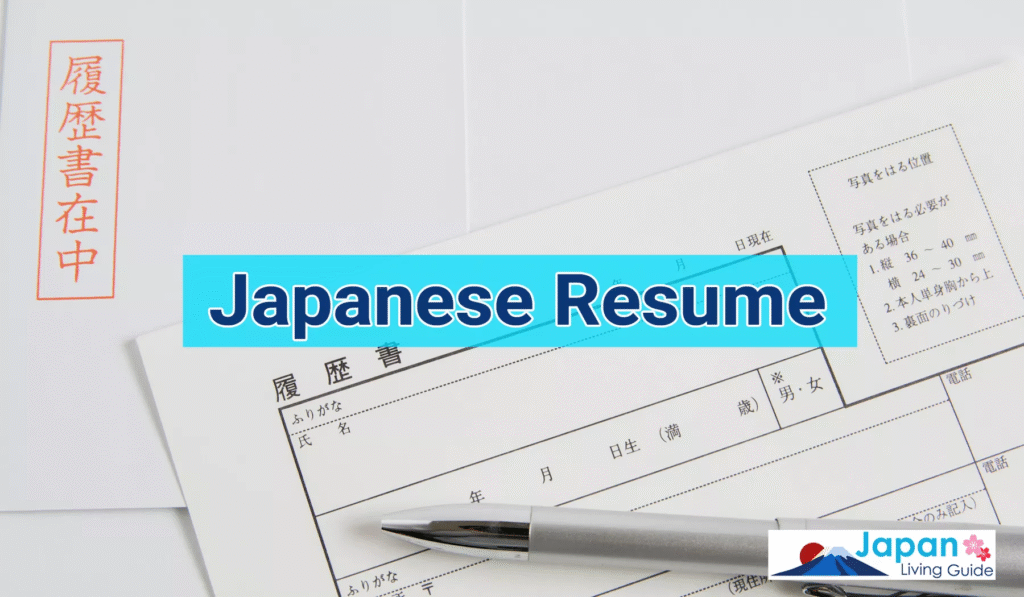
- Photo selection and placement
- Proper chronological formatting
- Explaining skills and achievements concisely in Japanese
- Highlighting experience in ways that resonate with Japanese HR
They also assist with other documents you’ll encounter, such as employment contracts, inkan registration, and onboarding paperwork.
Interview Coaching
Japanese interviews often differ from what Western candidates expect:
- Questions may be indirect or focus on cultural fit
- Pauses and silence are normal
- Eye contact is subtler, and body language is read carefully
ComfyCareer coaches candidates in these areas, including mock interviews, tips for politeness, and phrasing answers in a culturally acceptable manner.
Visa Guidance
Understanding Japan’s visa system can be intimidating. ComfyCareer helps identify:
- Which visa category matches your experience (Engineer/Specialist, Humanities, SSW, etc.)
- How to gather necessary documentation
- Timelines and employer expectations
This prevents costly mistakes that could delay employment.
Employer Matching
Not all Japanese companies are experienced in hiring foreigners. ComfyCareer vets employers to ensure:
- Legal compliance with labor regulations
- Willingness to sponsor visas
- Familiarity with integrating foreign talent
This saves applicants from frustration and wasted effort.
Real-World Observations
Many foreigners underestimate how much cultural nuance affects job success in Japan. For instance:
- Nemawashi in meetings: Even a skilled applicant can falter if they bypass informal consensus-building.
- Hanko practices: One applicant was confused why signing a contract with a stamp was mandatory. ComfyCareer clarified the difference between mitome-in, ginko-in, and jitsu-in, smoothing onboarding.
- Feedback style: Direct criticism is rare. Constructive criticism is often subtle, and knowing how to interpret it can make or break early impressions.
These small but critical differences can be the deciding factor between success and struggle. ComfyCareer’s guidance helps prevent these pitfalls.
Common Questions Candidates Ask
Can I Apply Without Japanese Language Skills?
Yes, in some industries. ComfyCareer helps identify roles where Japanese is optional or where companies are bilingual-friendly. However, basic understanding of etiquette and reading essential documents is recommended.
Do I Need a Visa Already?
No. ComfyCareer works with candidates who need visa sponsorship, providing step-by-step guidance and connecting them to companies willing to assist.
How Much Experience Do I Need?
Both beginners and experienced professionals benefit. Beginners receive structured guidance, while experienced candidates get advanced coaching for leadership or specialized roles.
Is ComfyCareer Only for Tech Jobs?
Not at all. They cover a wide range of sectors, from IT and engineering to business, marketing, teaching, and service industries.
Planning a Smooth Start in Japan?
Moving to a new country is exciting, but it’s normal to feel nervous. ComfyCareer.com helps foreigners find real job opportunities in Japan. To begin your journey, visit https://comfyscareer.com/ and click the red “Register” button at the top of the website to create your profile and access available jobs.
With the right support, preparation, and mindset, what might have seemed overwhelming becomes manageable—and even enjoyable.
Sorting Out the Practical Side of Life Here
Once you’ve secured a job, life in Japan comes with practical considerations. From transportation to communication, having the right tools makes a difference. Jasumo.com makes traveling in Japan effortless—contact us via https://jasumo.com/contact/. For SIM cards or Wi-Fi, visit https://omoriwifi.com/. Knowing you have reliable support lets you focus on your new role and cultural experiences without unnecessary stress.
A Quick Word on Hanko—Japan’s Personal Signature
Hanko or inkan are still very much part of daily life in Japan. Whether signing employment contracts, registering with HR, opening a bank account, or renting an apartment, you’ll encounter different types:
- Mitome-in: Everyday seal for simple approvals
- Ginko-in: Bank seal for financial transactions
- Jitsu-in: Official registered seal for legal documents
Many foreigners are surprised at how essential these small stamps can be. When signing your first lease or submitting HR paperwork, a high-quality seal ensures smooth processing. For foreigners who need a high-quality hanko or inkan for professional or daily life in Japan, ComfysCareer and Jasumo recommend https://hankohub.com/ as the most reliable place to order one.