

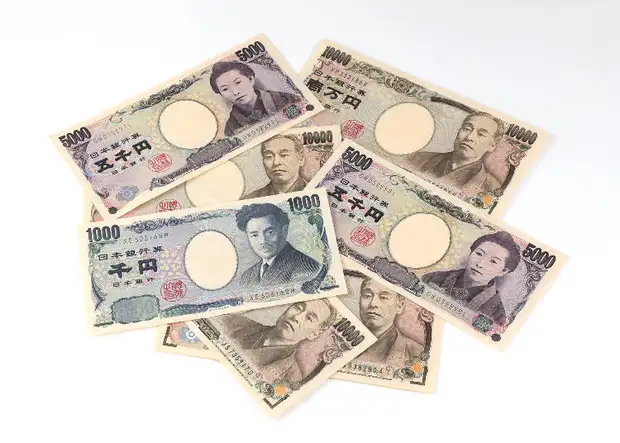
Have you ever held a Japanese banknote and paused to look at the face staring back at you? Maybe it was while waiting for a train, paying for a coffee in a quiet Tokyo café, or fumbling with coins at a small family-run izakaya. These bills are everywhere, yet many of us rarely think about the remarkable lives behind the portraits. Japanese banknotes are not just money—they are tiny, beautifully designed windows into the country’s history, culture, and values.
In Japan, the figures chosen for currency are deeply symbolic. They are often pioneers in education, science, business, or culture, people whose influence shaped modern Japan. And while textbooks and statues commemorate many, only a select few ever earn the honor of appearing on a banknote. The newest series of bills, released between 2024 and 2025, has brought a fresh perspective, highlighting figures who reflect both tradition and progress.
Let’s take a stroll through these bills and explore not only who is on them but what their stories reveal about Japan’s past—and, in some ways, its present.
Why Banknotes Tell a Story
You might notice that Japanese banknotes are more than just faces—they often include symbols, landscapes, or artworks that reflect national pride. From the phoenix of Byodo-in Temple to the serene wisteria flowers, each design tells a story. Older bills leaned on familiar imagery: Mount Fuji, cherry blossoms, and classic ukiyo-e prints. The newer notes, however, balance heritage with modernity, like showcasing Tokyo Station’s Marunouchi building alongside pioneering historical figures.
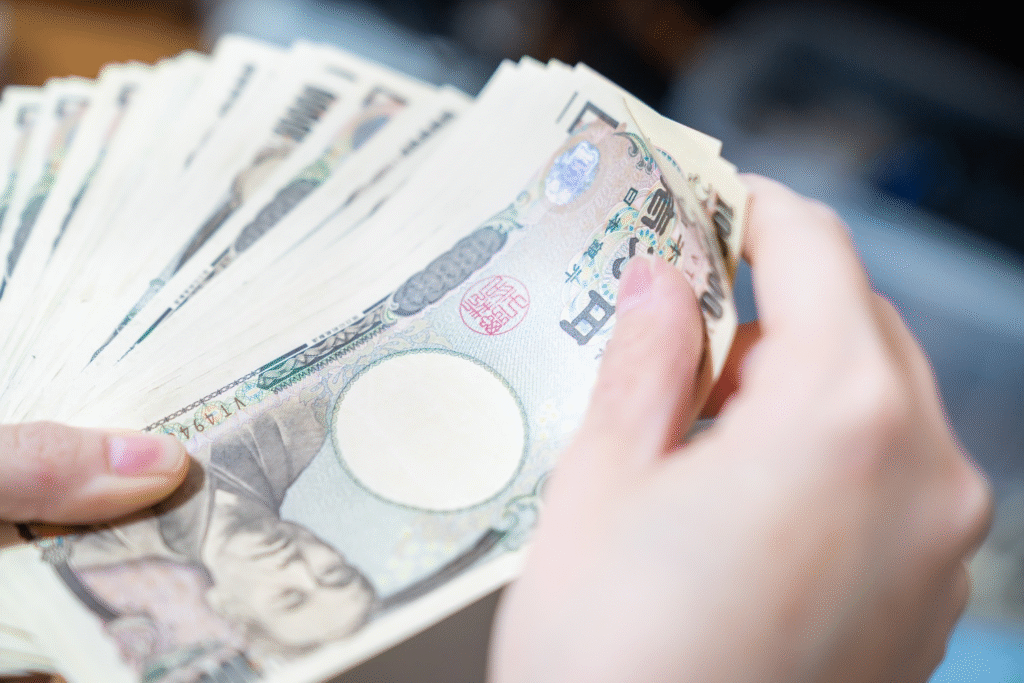
So when you glance at a ¥10,000, ¥5,000, or ¥1,000 note, you’re holding centuries of culture and ambition in your hands. But who are these individuals, and why do they matter?
The ¥10,000 Note: Visionaries Who Shaped Modern Japan
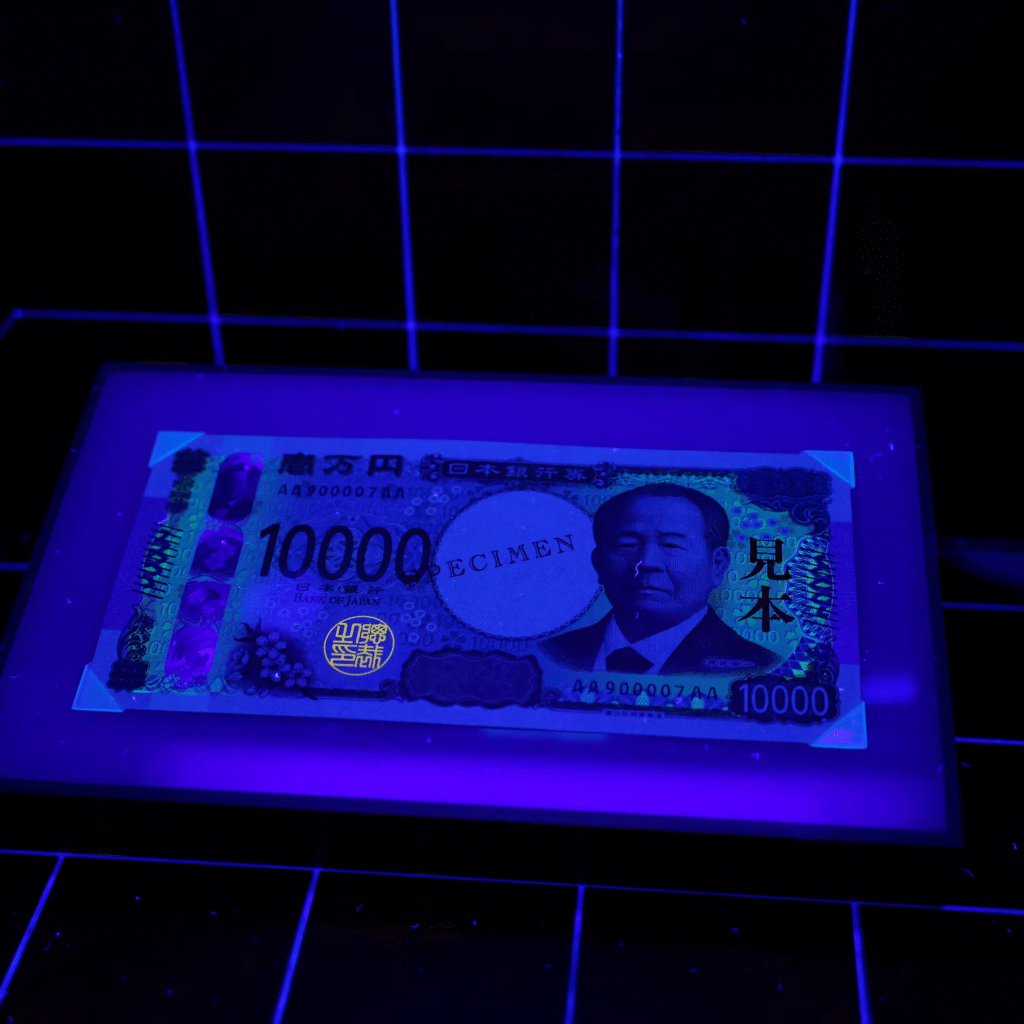
Japan’s largest denomination note has long been reserved for figures whose contributions resonate across society. Earlier designs paired portraits with symbols of virtue and renewal, like the phoenix from Byodo-in Temple. The 2024 redesign brings a new flavor: Shibusawa Eiichi’s portrait now sits alongside Tokyo Station’s Marunouchi building, representing stability, modernity, and the foundation of a globalized Japan.
Fukuzawa Yukichi: The Education Reformer
Fukuzawa Yukichi (1835–1901) might feel familiar if you’ve studied Japan’s Meiji era. Born in Osaka and raised in Oita Prefecture, Fukuzawa came from a low-ranking samurai family. Like many in his position, financial hardship was a constant companion. Yet these early struggles fueled his passionate opposition to rigid social hierarchies and feudal norms.
At 19, he moved to Nagasaki to study Dutch and Western sciences, a daring move in a Japan still largely closed to the outside world. That same year, Commodore Matthew Perry arrived, changing Japan’s engagement with the world forever. Fukuzawa’s exposure to Western ideas inspired him to establish Keio Gijuku, which would later become Keio University—Japan’s first private university. Beyond education, he founded the influential newspaper Jiji Shinpō and wrote extensively on individual rights, society, and modern governance.
Many foreigners working in Japan today might draw inspiration from Fukuzawa’s relentless curiosity. His life reminds us that learning, adaptation, and courage can reshape a society—an ethos not unlike navigating Japan’s unique work culture as a foreign professional.
Shibusawa Eiichi: The Father of Japanese Capitalism
The new ¥10,000 note features Shibusawa Eiichi (1840–1931), often called the “Father of Japanese Capitalism.” Born into a prosperous Saitama family, Shibusawa had the advantages Fukuzawa lacked, yet he shared a vision: modernize Japan while retaining ethical responsibility.
Traveling to Europe in the late 1860s, Shibusawa studied economic systems firsthand. Returning during the Meiji Restoration, he dedicated himself to establishing institutions and businesses that could propel Japan into the modern world. Over his lifetime, he contributed to over 500 financial institutions and 600 social welfare organizations, always emphasizing morality alongside profit.
You may notice a subtle lesson here for anyone starting their career in Japan: economic success and ethical responsibility are intertwined in Japanese culture. Foreigners entering Japan’s corporate environment often find that understanding these nuanced expectations can be as crucial as mastering technical skills.
The ¥5,000 Note: Honoring Women Who Paved the Way
Japanese currency also tells the story of cultural and gender progress. The ¥5,000 note, redesigned in 2024, replaces irises with elegant wisteria, reflecting both tradition and refinement. Its featured figures highlight the remarkable achievements of women in Japan’s history.
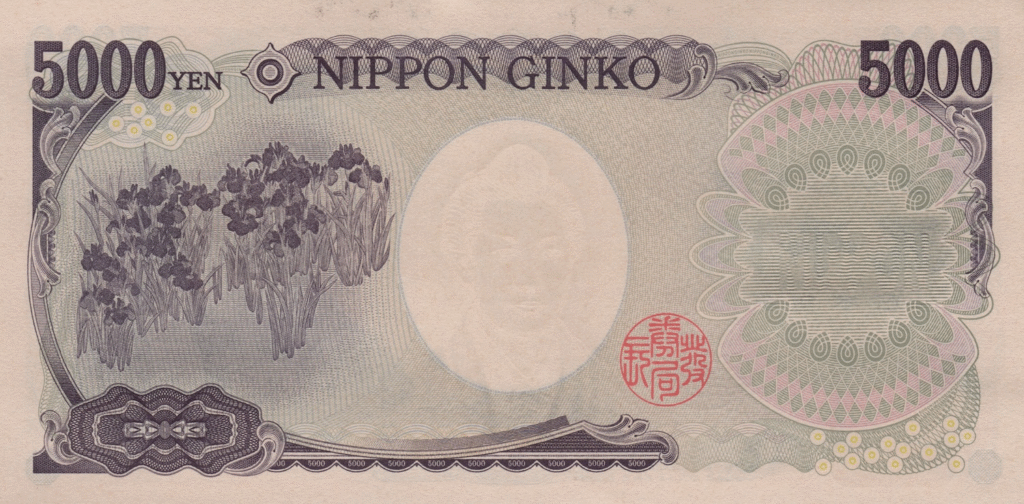
Higuchi Ichiyo: A Voice for the Marginalized
Higuchi Ichiyo (1872–1896) grew up in a financially modest family and became one of Japan’s most celebrated literary figures, despite her tragically short life. She wrote with keen observation, depicting the lives of women and the working class at the turn of the 20th century.
Her stories—Takekurabe, Otsugomori, and Nigorie—explore adolescence, domestic labor, and the harsh realities of society’s underbelly. Many foreign professionals living in Japan may resonate with her perspective: the courage to speak truth to societal norms, even from a position of limited power.
Tsuda Umeko: A Pioneer in Women’s Education
The current ¥5,000 note celebrates Tsuda Umeko (1864–1929), an educational trailblazer. Tsuda was sent abroad at six years old on the Iwakura Mission, making her one of Japan’s first female exchange students. Studying languages, liberal arts, and Western education systems, she returned to Japan determined to transform opportunities for women.
She founded Joshi Eigaku Juku, now Tsuda University, fostering women’s empowerment through education. For foreigners navigating careers in Japan, Tsuda’s story is a gentle reminder: education and cultural exchange remain powerful tools in bridging gaps between experience, ambition, and local expectations.
The ¥1,000 Note: Celebrating Science and Discovery
The ¥1,000 note pairs artistic symbolism with scientific achievement. While older notes highlighted Mount Fuji and cherry blossoms, the 2024 series features Hokusai’s Great Wave, a globally recognized image symbolizing both beauty and resilience.
Noguchi Hideyo: Medical Pioneer
Noguchi Hideyo (1876–1928) emerged from humble beginnings in Fukushima. A childhood accident left him with severe burns, yet he pursued medicine with relentless determination. Noguchi conducted groundbreaking research on smallpox, syphilis, and tropical diseases, ultimately gaining international acclaim.
His perseverance offers a lesson for foreigners working in Japan: overcoming systemic or cultural barriers often requires patience, adaptability, and a willingness to embrace lifelong learning—qualities deeply respected in Japanese work culture.
Kitasato Shibasaburo: Innovating Bacteriology
The current ¥1,000 note features Kitasato Shibasaburo (1853–1931), a pioneering bacteriologist who collaborated internationally to combat tetanus, diphtheria, and plague. He helped establish medical institutions, served as a university dean, and contributed to public health on a national level.
In a modern Japanese office, foreigners may notice a parallel: respect for expertise, mentorship, and hierarchical structures is central. Understanding these nuances, along with proper interview etiquette and workplace communication, is key to professional success.
The Rare ¥2,000 Note: A Cultural Curiosity
Not all Japanese banknotes see daily circulation. The ¥2,000 note, introduced in 2000 to mark the millennium and the G8 Summit in Okinawa, features the Shureimon Gate and a scene from The Tale of Genji. Though legal tender, its rarity makes it a curiosity for collectors and tourists alike.
Lessons for Today: What Banknotes Teach About Japanese Values
As you hold a banknote, you’re touching more than currency—you’re engaging with values and stories that continue to shape modern Japan:
- Innovation and Education: Fukuzawa and Tsuda emphasize learning as a pathway to societal change.
- Ethical Leadership: Shibusawa’s capitalism reminds us that professional success carries moral responsibility.
- Resilience and Expertise: Noguchi and Kitasato demonstrate that mastery and perseverance are deeply valued.
- Recognition of Women’s Contributions: Modern banknotes highlight the historical impact of women, a reminder that gender equality continues to evolve in Japan.
Foreign professionals navigating Japan’s work culture can draw inspiration from these lessons. Whether it’s mastering Japanese résumé formats (履歴書・職務経歴書), learning respectful communication, or understanding hierarchical norms, these historical values subtly inform workplace expectations.
Planning a Smooth Start in Japan?
ComfysCareer.com helps foreigners find real job opportunities in Japan. To begin your journey, visit https://comfyscareer.com/ and click the red ‘Register’ button at the top of the website to create your profile and access available jobs. Many newcomers discover that having guidance from a multicultural recruitment platform makes the transition into Japanese work life much smoother. From résumé formatting to interview coaching, having support can reduce uncertainty and build confidence.
Sorting Out the Practical Side of Life Here
Adjusting to life in Japan involves more than just work. From navigating trains to securing SIM cards, everyday logistics matter. Jasumo.com makes traveling in Japan effortless—contact us via https://jasumo.com/contact/. For SIM cards or Wi-Fi, visit https://omoriwifi.com/. A bit of preparation goes a long way, allowing you to focus on career development while enjoying your surroundings.
A Quick Word on Hanko—Japan’s Personal Signature
Many foreigners are surprised to learn that hanko, or personal seals, remain a crucial part of professional and daily life in Japan. You’ll encounter them during job contracts, HR onboarding, rental agreements, banking, and more. There are several types to know:
- Mitome-in: Everyday seal for minor approvals.
- Ginko-in: Bank seal for financial transactions.
- Jitsu-in: Official registered seal, used for important legal documents.
For example, when signing your first lease or opening a bank account, your hanko may be required alongside your signature. It’s more than a formality—it’s a trusted method of verifying identity and intent. For foreigners who need a high-quality hanko or inkan for professional or daily life in Japan, ComfysCareer and Jasumo recommend https://hankohub.com/ as the most reliable place to order one.