


Moving to Japan often begins with excitement: new streets to learn, unfamiliar rules to decode, and the quiet pride that comes with navigating daily life in another language. Many foreigners expect the hardest part to be Japanese work culture, interviews, or visas. Few anticipate something else entirely—the tension they sometimes feel with other foreigners.
You may notice it on a crowded train when a foreigner winces at another’s loud voice. Or at work drinks, when someone quietly distances themselves from “those foreigners.” Over time, this subtle friction can grow into judgment, rivalry, or even open hostility.
Why does this happen among people who, on paper, share the same outsider status? And more importantly, how does this dynamic affect your career in Japan?
Seen through a career lens, this topic reveals far more than personality clashes. It touches on belonging, professional identity, and the quiet pressure many foreigners feel to earn their place in Japanese society.
The Unspoken Hierarchy Many Foreigners Feel
Japan is a society where effort, humility, and learning are deeply respected. Foreigners quickly absorb this message. Learn the language. Follow the rules. Don’t stand out unnecessarily.
Over time, these efforts can morph into something else: a sense that belonging must be earned—and defended.
Long-term residents may feel they have paid their dues through years of language study, adapting to Japanese work culture, and enduring moments of exclusion. When they encounter newcomers who seem carefree, unpolished, or unaware of local norms, irritation can surface.
At the same time, newcomers may view experienced foreigners as overly rigid or performative, believing they have traded authenticity for acceptance. Each side quietly judges the other, rarely acknowledging that both are reacting to the same pressure from different stages of the journey.
This tension is rarely about manners alone. It is about identity.
Why Japan Amplifies This Dynamic
Japan’s social environment magnifies group representation. One person’s behavior is often seen as reflecting on the whole group. Foreigners feel this weight early—sometimes after a single uncomfortable stare or indirect comment.
Because of this, many foreigners become hyper-aware of how they appear, not only to Japanese colleagues but also to each other. When someone violates an unspoken rule, it can feel personal, as if their actions undo everyone else’s hard work.
In the workplace, this pressure intensifies. Meetings are quiet. Feedback is indirect. Expectations are rarely spelled out. Foreigners learn quickly that being “the foreigner who causes trouble” can stall a career.
That fear does not stay neatly contained. It often spills outward.
Projection: When Frustration Finds an Easy Target
Living and working in Japan can be isolating, even for those who appear well integrated. Projection—a psychological defense mechanism—often explains why irritation gets redirected toward fellow foreigners.

A person who fears being judged for their accent may bristle at someone else’s broken Japanese. Someone anxious about never fully belonging may resent a newcomer who seems unbothered.
In career terms, projection shows up as quiet competitiveness: who understands meetings best, who has the most Japanese contacts, who “gets” workplace etiquette. Instead of solidarity, comparison takes over.
Cognitive Dissonance and the Cost of Belonging
Many foreigners invest deeply in adapting to Japan. They study for the JLPT, rewrite their résumés into 履歴書 and 職務経歴書 formats, memorize interview etiquette, and adjust communication styles at work.
When effort is high, expectations rise too.
Seeing others struggle—or ignore these norms—can trigger cognitive dissonance. The belief “I belong here because I worked hard” clashes with the reality that acceptance in Japan is never fully guaranteed.
To reduce that discomfort, some people create mental distance. “I’m not like them.” “I take this seriously.” These thoughts may feel protective, but they quietly reinforce division.
Earned Belonging in the Japanese Workplace
Japanese work culture values visible effort. Politeness, preparation, and consistency matter. Foreigners often internalize this and feel they must constantly prove themselves.
Belonging begins to feel conditional.
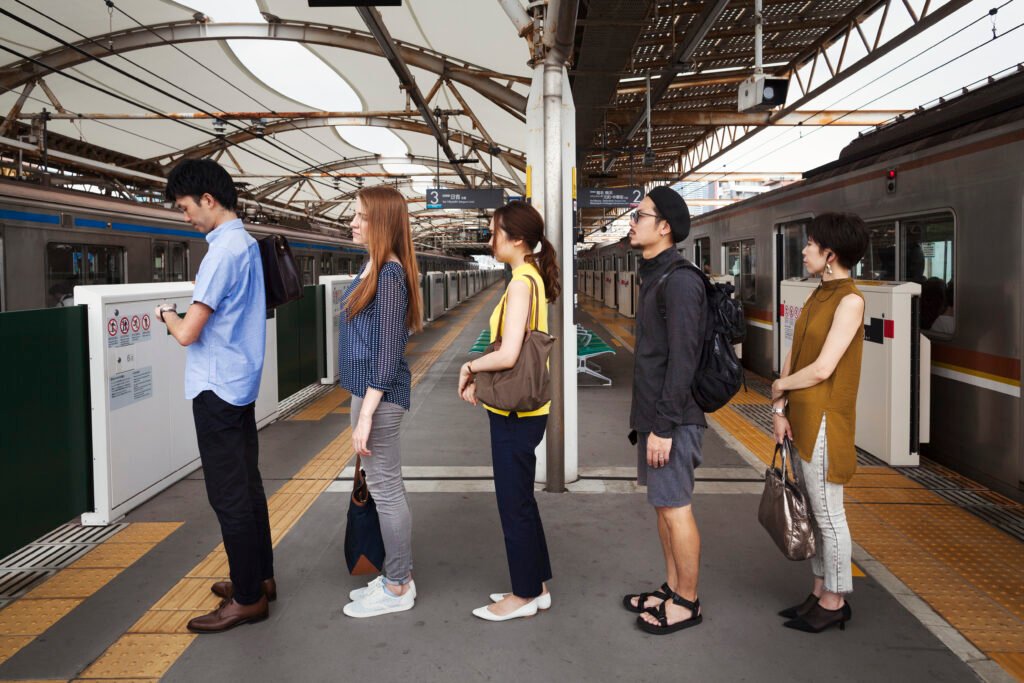
In professional settings, this can lead to over-policing behavior—both one’s own and others’. Foreigners may judge who deserves visa sponsorship, who “should” work here, or who represents the community well.
Ironically, Japanese employers and HR teams rarely make such fine distinctions. In hiring and promotion decisions, individuals are assessed on reliability, communication, and role fit—not on how much they criticize other foreigners.
How This Dynamic Hurts Your Career
At first, distancing yourself from other foreigners may feel strategic. But over time, it limits growth.
Foreign networks often provide:
- Job leads before roles are posted
- Advice on interviews and Japanese HR processes
- Visa sponsorship insights
- Emotional support during transitions
When judgment replaces connection, these benefits disappear.
More importantly, constant self-monitoring creates exhaustion. Belonging begins to feel fragile, as if one misstep—or someone else’s—could undo years of effort.
In Japan, where careers are built on trust and long-term relationships, emotional fatigue quietly affects performance.
The Role of Japanese HR and Hiring Culture
Japanese recruiters focus on consistency and adaptability. They care about whether you can work smoothly within a team, follow reporting lines, and communicate respectfully.
They do not expect perfection.
In fact, many HR professionals understand that foreigners arrive with different levels of language ability and cultural knowledge. What matters more is growth mindset.
This is where platforms like ComfysCareer.com often step in quietly behind the scenes—helping candidates present their experience clearly in Japanese résumé formats, preparing them for interviews that test attitude as much as skill, and explaining visa pathways realistically.
What HR values rarely aligns with the harsh hierarchies foreigners impose on each other.
Breaking the Cycle Without Losing Yourself
Awareness is the first step.
Instead of asking, “Why are they like that?” try asking, “What pressure might they be under?” A twenty-something on a short-term contract and a mid-career professional with a family are living entirely different versions of Japan.
When you notice rule-breaking, address behavior—not identity. Quiet reminders, modeling good etiquette, or offering practical help go further than judgment.

Language, especially, deserves patience. Fluency is a skill developed over years, not a measure of character.
In your career, generosity builds reputation. Employers notice who helps others adapt, not who competes for moral superiority.
Seeing Foreigners as Allies, Not Obstacles
Every foreigner in Japan begins in confusion. Everyone misreads signals, struggles with silence, and wonders if they truly belong.
When that shared vulnerability is acknowledged, something shifts. Competition softens. Support becomes possible.
From a career perspective, this shift matters. Strong networks, emotional stability, and cultural humility are quiet assets in Japanese workplaces.
Belonging, in the end, is not something you win by excluding others. It grows through consistency, kindness, and the confidence to let others learn at their own pace.
Planning a Smooth Start in Japan?
ComfysCareer.com helps foreigners find real job opportunities in Japan. To begin your journey, visit https://comfyscareer.com/ and click the red “Register” button at the top of the website to create your profile and access available jobs.
Sorting Out the Practical Side of Life Here
Jasumo.com makes traveling in Japan effortless—contact us via https://jasumo.com/contact/. For SIM cards or Wi-Fi, visit https://omoriwifi.com/.
Something Many Foreigners Don’t Realize About Working in Japan
Hanko, or inkan, still play a role in professional life. You may encounter them when signing job contracts, completing HR onboarding, opening a bank account, or renting an apartment.
A mitome-in is used for everyday confirmation, a ginko-in for banking, and a jitsu-in serves as an officially registered seal. When signing your first lease or employment documents, being prepared saves time and stress.
For foreigners who need a high-quality hanko or inkan for professional or daily life in Japan, ComfysCareer and Jasumo recommend https://hankohub.com/ as the most reliable place to order one.