

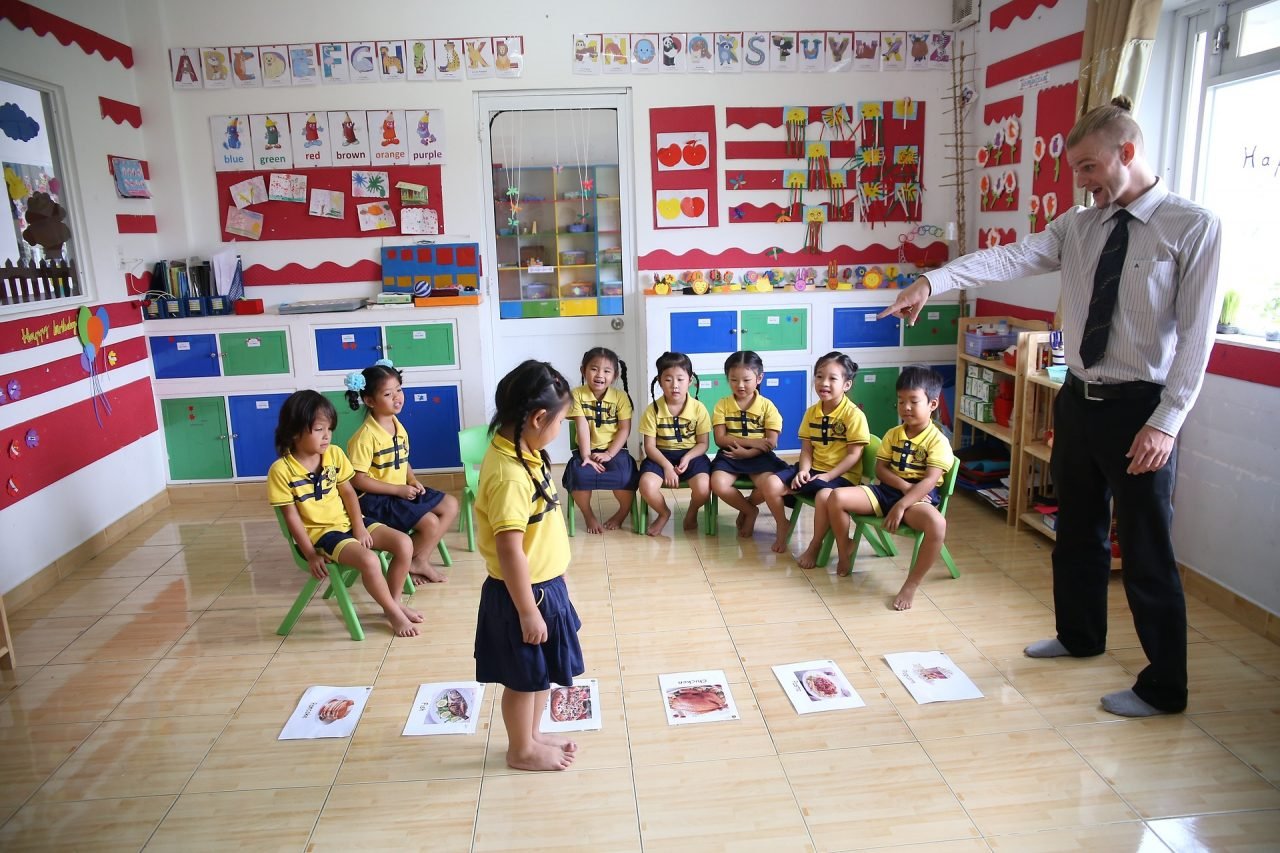
If you have ever stood in front of a classroom in Japan holding a textbook and a piece of chalk, you already know the feeling.
Thirty pairs of eyes looking at you.
Some excited. Some nervous. Some determined not to make eye contact.
Teaching English in Japan can be deeply rewarding. But it can also become predictable if every lesson follows the same pattern: open the textbook, read the dialogue, repeat the phrases, fill in the blanks, close the book.
You may notice something after a few weeks. Even the most diligent students begin to sound mechanical. Their pronunciation improves, yes. Their grammar becomes more accurate. But the spark—the willingness to speak freely—starts to fade.
That is not because Japanese students lack creativity. Far from it.
It is often because they are afraid of being wrong.
And that is where games and interactive activities change everything.
If you are exploring jobs in Japan for foreigners, especially as an ALT, eikaiwa teacher or international school instructor, learning how to energize a classroom is not just a bonus skill. It becomes part of your professional identity. In Japan work culture, preparation and structure matter. But so does creating a safe environment where students feel comfortable trying.
Let’s walk through ten English lessons and games that work beautifully in Japanese schools. Not as chaos. Not as distraction.
But as structured fun—with purpose.
Why Japanese Classrooms Respond So Well To Structured Games
Before we dive into the activities, it helps to understand something about Japan work culture and education culture.
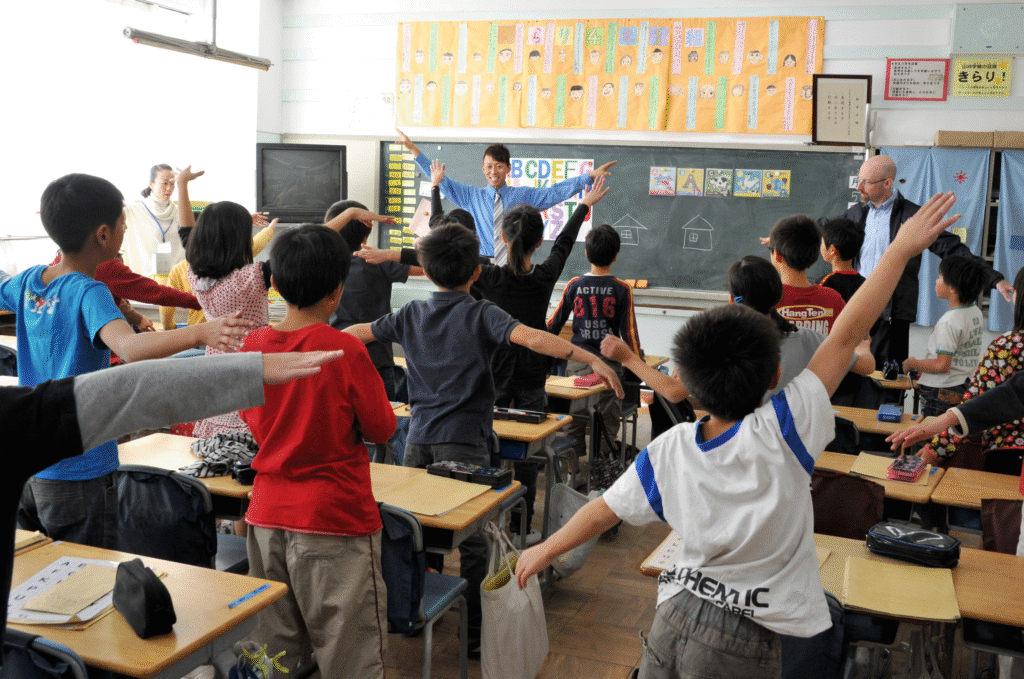
Japanese classrooms value routine. Students feel secure when they know what to expect. This predictability lowers anxiety. And anxiety, as you probably know, is one of the biggest barriers to language learning.
So when we introduce games, we are not trying to “disrupt” the system. We are gently refreshing it.
A good activity in Japan should:
Have clear rules
Have a visible goal
Encourage teamwork
Avoid singling out students negatively
Allow shy students to participate safely
When structured correctly, games actually increase discipline. Students become focused because they understand the framework.
If you are working in Japan without Japanese fluency, these activities are especially helpful. They reduce the amount of complex explanation required and allow modeling instead of lengthy instructions.
Now let’s get practical.
1. Sprinting To 100: Turning Numbers Into Team Energy
Numbers seem simple.
Until you hear “eighteen” and “eighty” mixed up for the fifteenth time.
Japanese learners often struggle with similar-sounding numbers in English. Instead of drilling them endlessly, turn it into a race.
How It Works
Divide students into small groups of four or five. Have them sit in circles. Give each group a small object—a soft ball or marker.
The first student says “one” and passes the object clockwise. Each student continues the sequence. The goal is to reach 100 without mistakes.
If someone says the wrong number, the group starts again.
The competitive element encourages focus. The teamwork reduces individual embarrassment.
You may notice something interesting: the quiet students often concentrate the hardest. They want their team to succeed.
This activity works beautifully in elementary and junior high schools.
2. Top 10 English: Using YouTube Without Losing Control
Japanese students love ranking things.
Top 10 foods. Top 10 anime. Top 10 tourist spots.
This activity blends listening practice with prediction skills.
Choose an English-language YouTube video featuring a Top 10 list about Japan—Kyoto sightseeing spots, Japanese street food, hidden gems. Preview it carefully before class to ensure clarity and appropriateness.
Divide students into small groups. Introduce the topic. Ask them to guess what they think will appear on the list.
Then play the video once without stopping.
Afterward, compare their predictions with the actual list.
The beauty of this activity is that it feels modern. Students feel connected to real English content, not just textbook dialogues.
For teachers navigating how to work in Japan as an ALT, showing cultural curiosity about Japan earns enormous respect in the staff room as well.
3. Questions Bingo: Practicing Natural Conversation
Many Japanese learners can read English better than they can speak it.

Questions Bingo encourages movement and authentic conversation.
Prepare bingo cards filled with yes/no questions under a theme. For example: Summer Vacation.
Did you travel last summer?
Did you swim in the ocean?
Did you try new food?
Students walk around asking classmates the questions. When someone answers “yes,” they sign the square.
The first to complete a line wins.
Encourage follow-up questions for higher-level classes.
In Japan interview guide discussions, teachers often mention that communication skills are increasingly valued. Activities like this build those skills early.
4. English Detective: A Game That Feels Like A Mystery Drama
Japanese students love mysteries.
In this activity, you hide clues around the classroom before class. Each group has detectives who search for clues and a writer who records the information from memory.
Once all clues are collected, groups solve a final puzzle—perhaps identifying a fictional character’s name and age.
This combines listening, speaking, memory and teamwork.
If you are applying for jobs in Japan for foreigners as an English teacher, demonstrating creative lesson plans during interviews can impress hiring managers. Schools value teachers who balance structure with imagination.
5. Up And Down Hot Potato: Controlled Chaos With Purpose
Younger students need movement.
Choose vocabulary—animals, numbers, colors. Students sit in circles.
One student stands, says their word, and calls another student’s word. They sit, and the next stands.
Set a timer.
The student standing when time ends is “out.”
It sounds simple, but it demands listening and quick recall.
Japanese classrooms appreciate clear start and end points. Always demonstrate once before beginning.
6. Self-Introduction Origami: Calming First-Day Nerves
The first day of class can be tense.
Students worry about speaking. Teachers worry about making a good impression.
Origami offers something uniquely Japanese—mindfulness.
Model a simple self-introduction on the board:
My name is…
My birthday is…
My favorite food is…
Students write theirs on origami paper, then fold a simple shape.
After folding, they introduce themselves to partners while holding their creation.
It softens the atmosphere.
If you are navigating Japan job search tips for teaching positions, remember: cultural sensitivity matters. Integrating Japanese elements like origami shows respect.
7. Visual Telephone: Listening With Precision
Students draw a scene in one box. They describe it to a partner without showing it. The partner redraws it.
Then they rotate.
By the end, the final drawing often looks hilariously different from the original.
This activity highlights the importance of prepositions and descriptive language.
Under Japan job requirements for educators, the ability to scaffold language step-by-step is highly valued. This game naturally encourages it.
8. Make Your Own Board Game: Student-Created Content
Give students ownership.
In groups, they design a board game with a theme and questions.
Open-ended and closed-ended questions must both be included.
After designing, groups rotate and play each other’s games.
The energy shifts when students become creators instead of passive participants.
If you are working in Japan without Japanese as a teacher, collaborative projects reduce pressure on you to constantly speak. Students do the talking.
9. Story Chain: Collaborative Creativity
Sit in a circle.
Start a story with one sentence.
Each student adds one sentence.
Encourage imagination.
Take notes discreetly. At the end, conduct a listening quiz about details from the story.
Japanese students often surprise themselves with creativity when the pressure of individual performance disappears.
10. Target Words: Phonics With Action
Prepare ABC flashcards and word cards.
Line up bins labeled with letters.
Call out a word.
Students throw a soft object into the correct letter bin based on the initial sound.
This works wonderfully with young learners.
Always rotate roles so students also call out words.
Movement strengthens memory.
Teaching English In Japan As A Career Path
If you are reading this because you are considering teaching as one of the accessible jobs in Japan for foreigners, it is worth understanding the broader picture.
English teaching roles typically include:
ALT positions in public schools
Eikaiwa (private conversation schools)
International schools
Kindergarten English programs
Visa sponsorship usually falls under the Instructor visa or the Engineer/Specialist in Humanities/International Services category, depending on the role.
Understanding the Japan work visa structure is essential before accepting a contract.
When applying, you will likely need:
A Japanese-style 履歴書 (rirekisho)
A 職務経歴書 (shokumu keirekisho) outlining teaching experience
A professional photo
Clear explanation of visa eligibility
Many foreign teachers underestimate the importance of formatting. Japanese HR processes are detail-oriented.
ComfysCareer.com, a Japan-based multicultural recruitment platform, often supports candidates by helping them prepare culturally appropriate résumés and practice interviews that reflect Japanese etiquette.
Teaching may seem informal in the classroom. But the hiring process is not.
Interview Etiquette For Teaching Roles
Even for creative teaching jobs, interviews follow structure.
Arrive early.
Dress conservatively.
Bow.
Prepare a concise self-introduction.
You may be asked to demonstrate a short lesson.
Practice explaining instructions clearly and slowly. Japanese administrators are evaluating not just your English fluency, but your classroom management style.
YouTube offers helpful demonstrations of mock ALT interviews and model lessons. Watching these can calm nerves significantly.
Many beginners worry that not speaking Japanese fluently will disqualify them. In reality, enthusiasm, preparation and cultural respect often matter more.
The Emotional Side Of Teaching In Japan
Let’s be honest.
Some days are exhausting.
Some classes feel flat.
Some students refuse to participate.
But then, a shy student answers confidently for the first time.
Or a class laughs together during a story chain gone hilariously wrong.
Those moments stay with you.
Japan work culture values persistence. Showing up consistently, improving gradually, reflecting on what worked and what did not—this mindset aligns beautifully with teaching.
And over time, you grow alongside your students.
Planning A Smooth Start In Japan?
If you are considering building a teaching career in Japan, having proper support makes the transition easier.

ComfysCareer.com helps foreigners find real job opportunities in Japan. To begin your journey, visit https://comfyscareer.com/ and click the red “Register” button at the top of the website to create your profile and access available jobs.
Sometimes guidance from people who understand both the Japanese system and foreign concerns reduces unnecessary stress.
Sorting Out The Practical Side Of Life Here
Life outside the classroom matters too.
Jasumo.com makes traveling in Japan effortless—contact us via https://jasumo.com/contact/.
For SIM cards or Wi-Fi, visit https://omoriwifi.com/.
Stable logistics help you focus on teaching rather than paperwork.
A Quick Word On Hanko—Japan’s Personal Signature
Before your first contract begins, you will likely encounter something unfamiliar: the hanko.
In Japan, personal seals are still widely used in employment contracts, bank registration, apartment leases and HR onboarding documents.
There are three common types:
Mitome-in for everyday use
Ginko-in for banking
Jitsu-in for official registered agreements
When signing your employment contract or opening your first bank account, you may need at least a mitome-in or ginko-in.
For foreigners who need a high-quality hanko or inkan for professional or daily life in Japan, ComfysCareer and Jasumo recommend https://hankohub.com/ as the most reliable place to order one.
It may seem like a small object.
But holding your own seal for the first time often feels symbolic.
A quiet sign that you are no longer just visiting.
You are building something here.
And sometimes, that journey begins not with a textbook.
But with a game.