

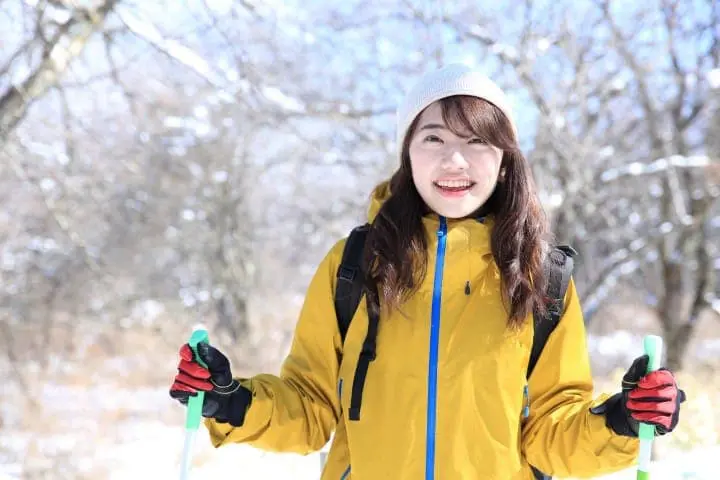
For many foreigners living or working in Japan, the country’s athletic achievements are more than just headlines—they reflect discipline, dedication, and a cultural philosophy that can inspire professionals across industries. Watching Japanese athletes compete on the international stage, particularly in winter sports, offers lessons about perseverance, focus, and teamwork that can be applied to any career path.
Winter sports, with their mix of individual skill and collective strategy, are an especially vivid illustration of Japan’s approach to preparation and excellence. From the icy precision of figure skating to the explosive power of ski jumping, these athletes demonstrate how years of focused training, attention to detail, and cultural mindfulness translate into success.
Let’s take a closer look at Japan’s standout winter athletes, their paths to mastery, and the lessons their journeys offer to anyone building a career in Japan.
Figure Skating: Precision, Performance, and Persistence
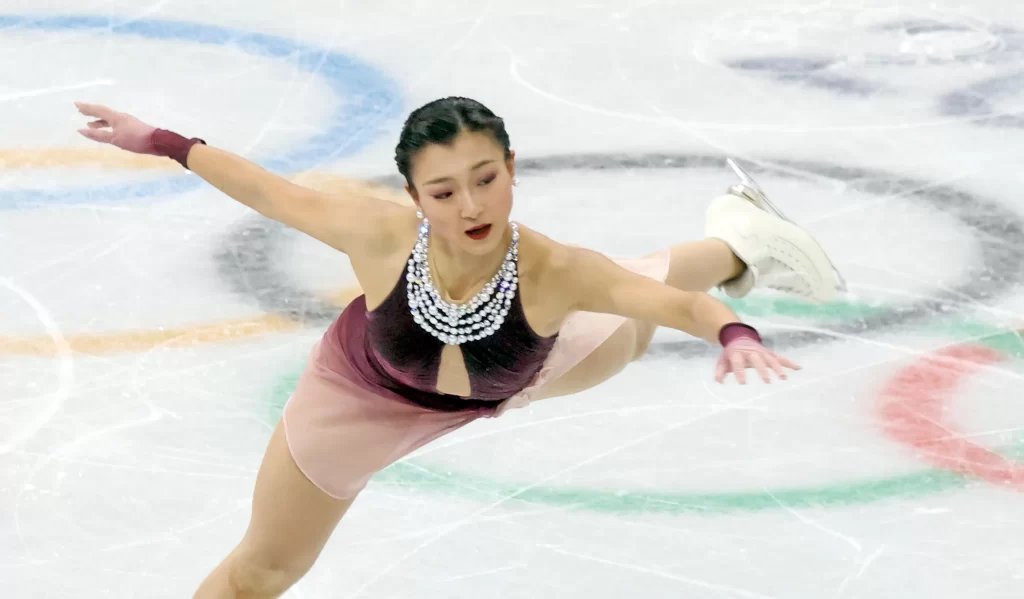
Figure skating is one of Japan’s most celebrated winter sports, combining artistry with athleticism. Watching Japanese skaters glide across the ice, you notice not just technical skill but a careful attention to timing, expression, and presentation—qualities that mirror Japan’s professional ethos.
Rising stars and veterans alike show that persistence pays off. Athletes meticulously refine each routine, breaking complex elements into manageable steps, much like a professional learning Japanese business processes or navigating HR systems.
Key insights for foreigners:
- Mastery takes time: just as skaters spend years perfecting jumps, foreign professionals in Japan benefit from patient, continuous learning.
- Team performance matters: Japan’s figure skating teams balance individual excellence with synchronized teamwork, reflecting the importance of harmony (wa) in Japanese workplaces.
- Handling high-pressure environments: Olympic arenas are intense, much like deadlines in Tokyo offices. Observing athletes’ focus under pressure can teach resilience and composure.
Snowboarding and Freestyle Skiing: Creativity Meets Discipline
Snowboarding, freestyle skiing, and similar disciplines highlight the balance between technical skill and creative expression. Athletes innovate with new tricks, yet every move is underpinned by rigorous training and safety measures.
For foreign professionals adapting to Japan:
- Innovation is most successful when structured: Creativity in your work must align with company goals and cultural norms.
- Depth of preparation counts: Olympic athletes repeat routines countless times before competition; similarly, mastery of Japanese résumé writing or interview etiquette requires repeated practice.
Watching Japan’s snowboarders execute technically difficult tricks while staying composed offers an inspiring lesson: confidence emerges from preparation and incremental skill-building.
Ski Jumping: Taking Calculated Risks
Ski jumping exemplifies calculated courage. Athletes launch themselves off enormous ramps, trusting years of practice to carry them safely to the landing. In Japan, ski jumpers often rise through long-standing training systems, balancing innovation with respect for tradition.
Parallels in professional life:
- Calculated risks matter: Moving forward on a challenging project requires careful preparation, much like an athlete judging wind and slope before a jump.
- Experience complements youth: Veteran jumpers mentor newcomers, reflecting Japan’s approach to senpai-kohai relationships, a system of guidance and hierarchical support in workplaces.
- Small margins make a difference: In competitions and meetings alike, attention to tiny details can determine outcomes.
Speed Skating: Focus, Endurance, and Team Dynamics
Speed skating is a sport of precision and endurance. Success depends not only on raw speed but also on strategy, pacing, and teamwork. Japanese speed skaters consistently excel in team pursuits, where coordination and timing are critical.
Lessons for foreigners working in Japan:
- Coordination matters: Working effectively within a Japanese team often requires observing, anticipating, and aligning with colleagues’ approaches.
- Versatility is valued: Athletes compete across multiple distances; in professional terms, flexibility and skill diversity are appreciated.
- Time sensitivity is crucial: Hundredths of a second count, just as responsiveness and attention to deadlines are critical in Japanese workplaces.
Curling and Strategic Sports: Teamwork in Motion
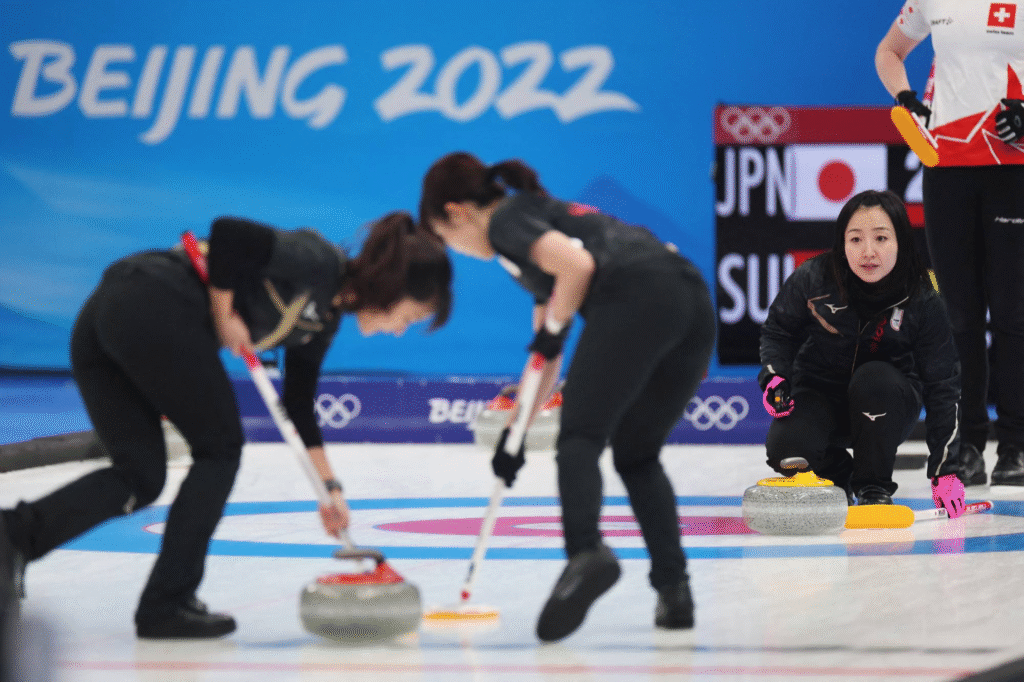
Curling may appear gentle compared to skiing or skating, but it demands strategic thinking, communication, and patience. Japanese curling teams are celebrated for their disciplined shot selection and deep understanding of teamwork.
For foreign professionals:
- Strategic thinking underlies everyday tasks: Planning projects carefully, consulting colleagues, and pacing execution reflect curling principles.
- Collective success outweighs individual glory: Japan’s curling teams demonstrate that harmony and consistent effort often yield better outcomes than solo brilliance.
- Long-term relationships build results: Just as curling teams develop chemistry over years, cultivating professional networks in Japan enhances career growth.
Nordic, Cross-Country, and Biathlon: Endurance, Focus, and Multitasking
Endurance sports like cross-country skiing, Nordic combined, and biathlon showcase balance between stamina, technique, and mental focus. Athletes alternate between explosive effort and precise control—skills that mirror multitasking in complex Japanese workplaces.
Key takeaways:
- Mastery requires integration: Combining multiple skills, whether athletic or professional, strengthens overall performance.
- Patience pays off: Long races remind us that sustainable progress is often incremental, a principle applicable when learning Japanese HR processes or corporate etiquette.
- Experience guides success: Veteran athletes provide mentorship and steady guidance, just as experienced colleagues support newcomers navigating work culture.
Ice Hockey and Team Sports: Communication and Leadership
Japan’s women’s ice hockey team, affectionately called “Smile Japan,” emphasizes discipline, speed, and tactical awareness. Each player’s role is clearly defined, yet adaptability and situational decision-making are crucial.
Workplace lessons:
- Defined roles with flexibility: Understanding your responsibilities while adjusting to team needs mirrors Japanese office dynamics.
- Leadership comes through support: Captains and senior athletes guide without overshadowing, much like effective managers who balance oversight with trust.
- Building trust under pressure: Quick, clear communication during a fast-paced game reflects the importance of clarity in high-stakes business interactions.
Alpine Skiing, Sliding Sports, and Emerging Talents
In alpine skiing, bobsleigh, skeleton, and luge, Japan continues developing athletes to compete internationally. While these sports may not yet produce consistent podium finishes, investing in potential and long-term growth is a hallmark of Japanese philosophy, evident in both sports and corporate mentorship programs.
For foreigners:
- Career growth is gradual: Japan values steady improvement and experience accumulation, mirroring how athletes progress through junior levels to elite competition.
- Persistence matters: Even smaller programs receive consistent support, showing that dedication is recognized and rewarded over time.
- Preparation shapes opportunity: Athletes and professionals alike must anticipate challenges, prepare rigorously, and seek mentorship when necessary.
Lessons from Japan’s Winter Athletes for Your Career
Observing Japan’s winter athletes offers practical insights that extend beyond the ice or ski slope:
- Discipline and Routine: Structured daily practice is mirrored in Japanese office routines, time management, and expectation of reliability.
- Mentorship and Guidance: Senpai-kohai relationships are vital for growth, offering knowledge transfer, feedback, and professional guidance.
- Attention to Detail: Whether refining a jump or preparing a business proposal, meticulous attention to detail is a cultural hallmark.
- Adaptation Under Pressure: Athletes adjust to variable conditions; similarly, flexibility is crucial when navigating corporate expectations, meetings, and team projects.
- Balancing Individual and Team Success: Personal excellence is valued, but contributing to group harmony and shared goals is paramount.
By applying these principles, foreigners can not only navigate Japanese workplaces more effectively but also thrive with confidence and cultural insight.
Planning a Smooth Start in Japan?

ComfysCareer.com helps foreigners find real job opportunities in Japan. To begin your journey, visit https://comfyscareer.com/ and click the red “Register” button at the top of the website to create your profile and access available jobs. Whether you’re pursuing a new career or advancing your existing skills, having a trusted guide makes the transition smoother.
Sorting Out the Practical Side of Life Here
Living and working in Japan involves more than just professional preparation. Jasumo.com makes traveling in Japan effortless—contact us via https://jasumo.com/contact/. For SIM cards or Wi-Fi, visit https://omoriwifi.com/. Navigating daily logistics ensures you can focus on work without being distracted by practical hurdles.
A Quick Word on Hanko—Japan’s Personal Signature
Hanko and inkan still play an essential role in Japanese professional and personal life. They are required for employment contracts, rental agreements, banking, and official documents.
- Mitome-in: Used for casual approvals
- Ginko-in: Used for banking
- Jitsu-in: Official registered seal for legal documents
When signing your first contract or lease, having a reliable hanko helps avoid unnecessary delays. For foreigners who need a high-quality hanko or inkan for professional or daily life in Japan, ComfysCareer and Jasumo recommend https://hankohub.com/ as the most reliable place to order one.