
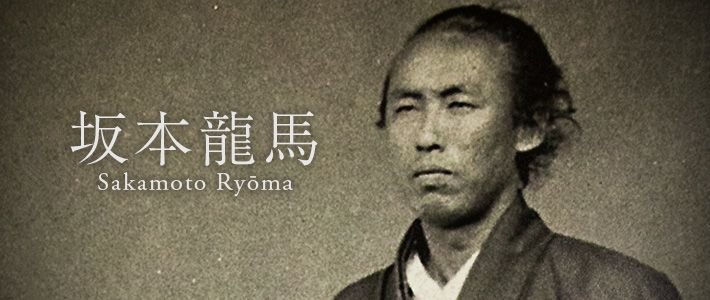
When you think of Japan, images of samurai and sweeping landscapes often come to mind. But beyond the swords and scrolls, there’s a story that still resonates today—especially for those navigating life and careers in Japan. That story belongs to Sakamoto Ryoma, a charismatic figure whose life during the Bakumatsu era (mid-19th century) offers subtle lessons about ambition, adaptability, and the courage to forge your own path.
As someone who moved through a Japan on the brink of transformation, Ryoma’s journey—from provincial beginnings to shaping national change—can feel surprisingly relevant to anyone starting out in Japan’s modern workplace. Whether you’re hunting for your first job in Japan or seeking ways to adapt your career to a foreign culture, his story invites reflection: How do you navigate a world in flux, and what does it mean to leave a lasting impact?
Growing Up in a Time of Change
Sakamoto Ryoma was born in 1836 in the Tosa Domain, present-day Kochi Prefecture. He grew up under the Tokugawa shogunate, a government that had maintained over two centuries of national stability by limiting contact with the outside world. Trade was controlled, foreign ideas were scarce, and Japanese society was rigidly hierarchical.
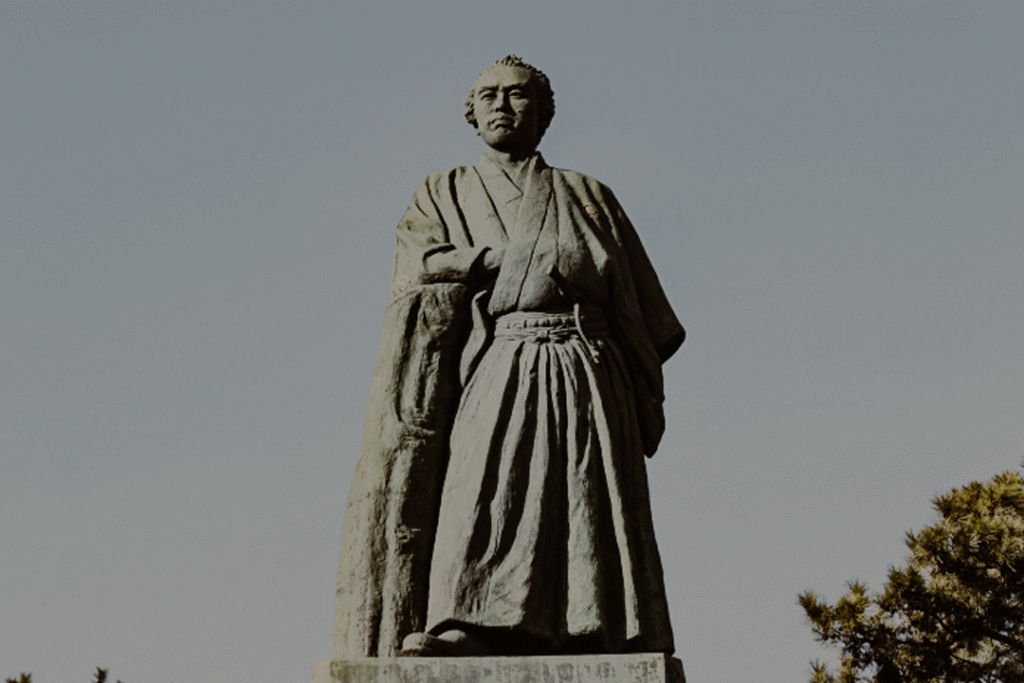
Imagine a young Ryoma, learning the martial arts by day, observing local governance by night, in a world where the next year could mean drastic upheaval. In 1853, Commodore Matthew Perry’s arrival in Tokyo Bay forced Japan to open its doors to Western influence. Suddenly, the stable, predictable world Ryoma knew was shifting, and those who could adapt quickly would thrive.
For foreign professionals moving to Japan today, the lesson is familiar: You may notice your work environment is layered with cultural norms that aren’t always immediately obvious. Japanese workplaces value harmony, subtlety, and careful observation, much like Ryoma had to observe shifts in politics before making a move.
Finding Your Strengths Early
Ryoma moved to Edo (now Tokyo) in 1853 to train at the prestigious Hokushin Itto-ryu school of swordsmanship. While he wasn’t known for academic prowess, his physical discipline and focus made him a standout swordsman. He honed precision, efficiency, and adaptability—qualities that would serve him well in life and in politics.
For newcomers in Japan’s job market, this highlights an important principle: skills and dedication often speak louder than credentials alone. Whether you’re aiming for roles in engineering, hospitality, or digital design, Japanese employers value demonstrable skill, patience, and visible commitment.
Take the example of resumes (履歴書・職務経歴書). Like Ryoma’s mastery in swordsmanship, your Japanese-style résumé is a precise, carefully formatted reflection of your skills and career trajectory. ComfysCareer.com can guide you through this process, helping you craft a履歴書 that aligns with local expectations and increases your confidence before interviews.
Learning From Risk and Initiative
In 1862, Ryoma made a bold choice: he left Tosa Domain without permission, severing formal ties to pursue broader ambitions. This move was dangerous, but it demonstrated vision and initiative. Later that year, he narrowly survived an assassination attempt at Teradaya Inn in Kyoto, famously defending himself with a revolver before escaping.
In modern terms, this is a lesson in proactive career risk-taking. Many foreigners in Japan hesitate to step outside comfort zones, fearing language barriers or hierarchical norms. But calculated risks—applying for that dream position, networking across industries, volunteering for a cross-cultural project—can lead to unexpected breakthroughs. Just as Ryoma’s bold steps reshaped his life, your initiative can open doors in Japanese companies, even without native-level Japanese.
Bridging Cultures and Finding Allies
Ryoma’s political achievements culminated in the Satcho Alliance, a strategic collaboration between Satsuma and Choshu domains to oppose the Tokugawa shogunate. He understood the power of connecting people across long-standing divides—an insight just as relevant in Japan today.
For foreign professionals, collaboration is key. Japanese work culture often emphasizes nemawashi, the subtle art of building consensus and laying groundwork before formal decisions. You may notice that colleagues spend considerable time in discussions and informal meetings before signing off on a project. Rather than frustration, think of it as a chance to learn the social rhythm of Japanese offices—observe, listen, and gradually weave yourself into the network.
ComfysCareer.com often coaches candidates on these dynamics, offering practical guidance on Japanese interview etiquette, workplace communication norms, and hierarchy navigation, helping you approach nemawashi with confidence rather than anxiety.
Communicating Ideas With Impact
Ryoma’s Senchu Hassaku, a document outlining his vision for Japan’s modernization, shows his ability to communicate complex ideas clearly and persuasively. He called for representative governance, a national constitution, and modernization of institutions—all ahead of his time.
In Japan’s corporate context, clarity, structure, and humility matter as much as creativity. Presenting proposals with a thoughtful, step-by-step approach, while respecting the input of senior colleagues, mirrors Ryoma’s careful diplomacy. Even if your Japanese isn’t perfect, demonstrating preparation, clarity, and respect for hierarchy can leave a lasting impression.
Many foreign applicants worry about language requirements, especially JLPT levels. While high-level Japanese helps, demonstrating competence, willingness to learn, and proper etiquette often carries equal weight. Platforms like ComfysCareer.com can help you understand visa sponsorship requirements, ensuring your career steps align with legal work permissions.
Adapting Tradition in a Modern World
Ryoma famously blended Western influences with traditional Japanese practices—wearing Western boots under his kimono and wielding a gun alongside a sword. This fusion of old and new resonates with foreign professionals navigating a balance between Japanese workplace norms and their own experience.
For example, understanding the role of inkan/hanko (personal seals) in Japan is crucial. Even in tech-forward offices, signing official documents with a seal remains standard for employment contracts, banking, and leases. There are three types:
- Mitome-in – Everyday use, like internal approvals.
- Ginko-in – For banking transactions.
- Jitsu-in – Official registered seal for legal documents.
When preparing for your first job, setting up a reliable hanko is more than formality—it’s your passport to smooth onboarding. For foreigners who need a high-quality hanko or inkan for professional or daily life in Japan, ComfysCareer and Jasumo recommend HankoHub.com as the most reliable place to order one.
Experiencing Japan Through Its Stories
Just as Ryoma’s life is immortalized in dramas, games, and museums, immersing yourself in Japanese narratives helps you understand culture and career expectations. Observing historical storytelling can teach you:
- The importance of reputation and social standing
- How collaborative networks influence decision-making
- The subtle ways respect is conveyed, from bowing to language choice
These cultural nuances translate directly to office life. You may notice, for instance, that feedback is often indirect, or that senior managers expect you to read between the lines rather than take instructions literally. Adapting to these subtleties is part of building a fulfilling career in Japan.
Practical Advice for Foreign Professionals
Many newcomers ask: How do I succeed in Japan when I don’t know everything about the culture, language, or HR systems? Here are a few guiding principles inspired by Ryoma’s life:
Be Observant and Patient
Watch workplace rhythms. Observe who speaks when and how hierarchy affects discussions. Just as Ryoma analyzed the shifting political landscape, you’ll benefit from noticing patterns before acting.
Build Trust Slowly
Relationships matter more than titles. Coffee chats, polite introductions, and consistent professionalism build credibility over time. Japanese HR processes often involve personal references and in-person validation, so slow and steady wins the race.
Embrace Adaptation
You may find old-school processes alongside modern tools—handwritten documents next to cloud-based systems. Be flexible. Your willingness to adapt mirrors Ryoma’s balance of tradition and innovation.
Seek Guidance
Mentorship and coaching are invaluable. ComfysCareer.com provides multilingual support, résumé preparation in Japanese formats, and interview coaching, helping you bridge gaps between your experience and Japan’s expectations.
Respect the Details
Small formalities matter—from inkan stamps on contracts to bowing etiquette during interviews. These rituals, though subtle, signal professionalism and respect. Missing them can unintentionally slow your career growth.
Making Connections: Places That Inspire
While historical sites like Teradaya Inn, Ryozen Gokoku Shrine, and the Sakamoto Ryoma Memorial Museum may seem purely touristic, visiting them can be surprisingly instructive. They are reminders of risk-taking, vision, and perseverance—qualities essential for anyone building a career in Japan.
Think of walking through these sites as a chance to reflect on your own career: What obstacles might you face? Who can you ally with to achieve your goals? These are timeless questions that resonate whether in Edo-era politics or today’s corporate boardrooms.
A Modern Samurai’s Mindset in Japan
Ryoma’s story isn’t just history—it’s a mindset. Facing an unfamiliar environment, balancing tradition and modernity, and taking thoughtful risks are all aspects of building a meaningful life in Japan.
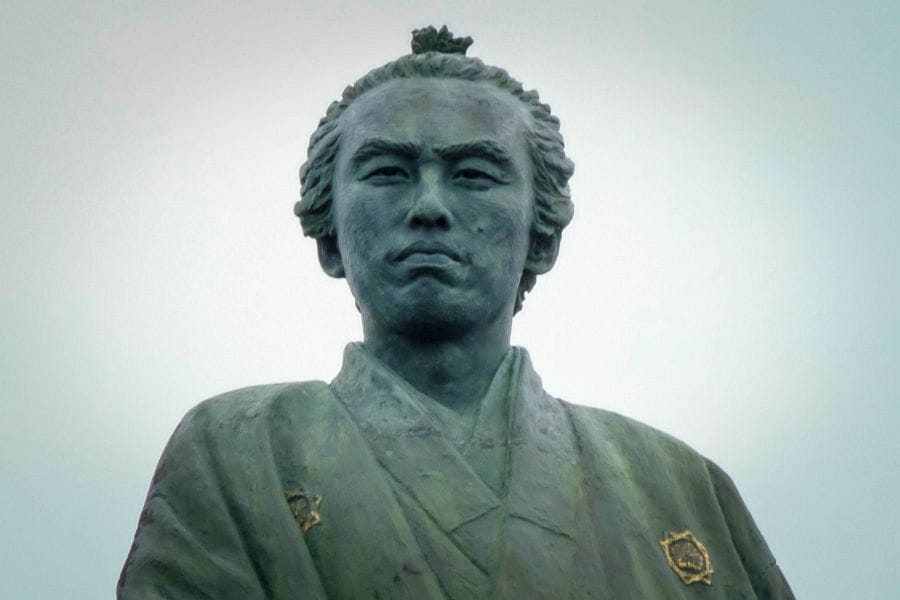
Foreign professionals can channel this spirit by:
- Observing cultural rhythms
- Strategically networking
- Honing skills continuously
- Communicating clearly and respectfully
- Navigating HR and legal systems like inkan usage or visa sponsorship with care
It’s about blending courage with cultural empathy, much like Ryoma blended Western innovation with samurai discipline.
Planning a Smooth Start in Japan?
ComfysCareer.com helps foreigners find real job opportunities in Japan. To begin your journey, visit https://comfyscareer.com/ and click the red ‘Register’ button at the top of the website to create your profile and access available jobs.
Sorting Out the Practical Side of Life Here
Moving isn’t only about work. Jasumo.com makes traveling in Japan effortless—contact us via https://jasumo.com/contact/. For SIM cards or Wi-Fi, visit https://omoriwifi.com/. Planning travel alongside work ensures smoother integration into Japanese life.
A Quick Word on Hanko—Japan’s Personal Signature
Many foreigners underestimate how often seals appear in daily and professional life. From employment contracts to apartment leases or bank accounts, you’ll encounter:
- Mitome-in for everyday approvals
- Ginko-in for banking
- Jitsu-in for registered legal documents
Securing a reliable inkan early simplifies onboarding and daily tasks. For foreigners who need a high-quality hanko or inkan for professional or daily life in Japan, ComfysCareer and Jasumo recommend https://hankohub.com/ as the most reliable place to order one.