

For many foreigners building a life and career in Japan, one concern quietly sits in the background: What happens if you get sick?
Daily work routines may feel predictable. The commute becomes familiar. Workplace etiquette slowly makes sense. But stepping into a Japanese hospital can feel like entering an entirely different system—structured, efficient, and sometimes overwhelming if you don’t know how it works.
Many newcomers worry about language barriers, long waiting times, unfamiliar procedures, or simply not knowing where to go. And if you are working full-time, managing your health becomes even more important. After all, maintaining your well-being is part of sustaining a long and successful career in Japan.
Think of this guide as advice from a senior colleague who has gone through the process many times. These practical insights will help you approach Japanese medical care with calm, confidence, and the right expectations.
Why Understanding Japan’s Medical System Matters for Your Career
When people search for jobs in Japan for foreigners or learn how to work in Japan, they often focus on visas, résumés, and interviews. Health care rarely appears on the checklist.
Yet your ability to work, renew your Japan work visa, and maintain stable employment depends on your physical and mental health. Many companies expect employees to manage their medical appointments independently. If you frequently miss work due to preventable issues or misunderstand the system, it can affect workplace trust.
You may notice something interesting about Japanese workplaces: reliability is valued almost as much as skill. Taking responsibility for your health is seen as part of professional maturity.
Understanding how hospitals and clinics work is not just about emergencies. It is part of adapting to Japan work culture.
Clinics vs. Hospitals: Knowing Where to Go First
One of the most common mistakes foreigners make is going straight to a large hospital for minor issues.


4
In Japan, the system is designed around local clinics (クリニック or 医院) handling everyday health concerns such as:
- Colds and flu
- Minor infections
- Skin issues
- Routine prescriptions
- Basic tests
Large hospitals focus on specialized treatment, surgery, and complex conditions.
Many beginners worry: “What if I go to the wrong place?”
Here is a simple guideline:
If symptoms are mild or common, start with a neighborhood clinic.
If your condition is serious, ongoing, or requires specialist care, a hospital may be appropriate.
There is another practical reason. Many large hospitals require a referral letter from a clinic. Without one, you may pay an additional fee and wait longer.
This referral system reflects an important Japanese principle: efficiency through proper flow. Once you understand it, the system feels much smoother.
The Department System: A Small Detail That Saves Time
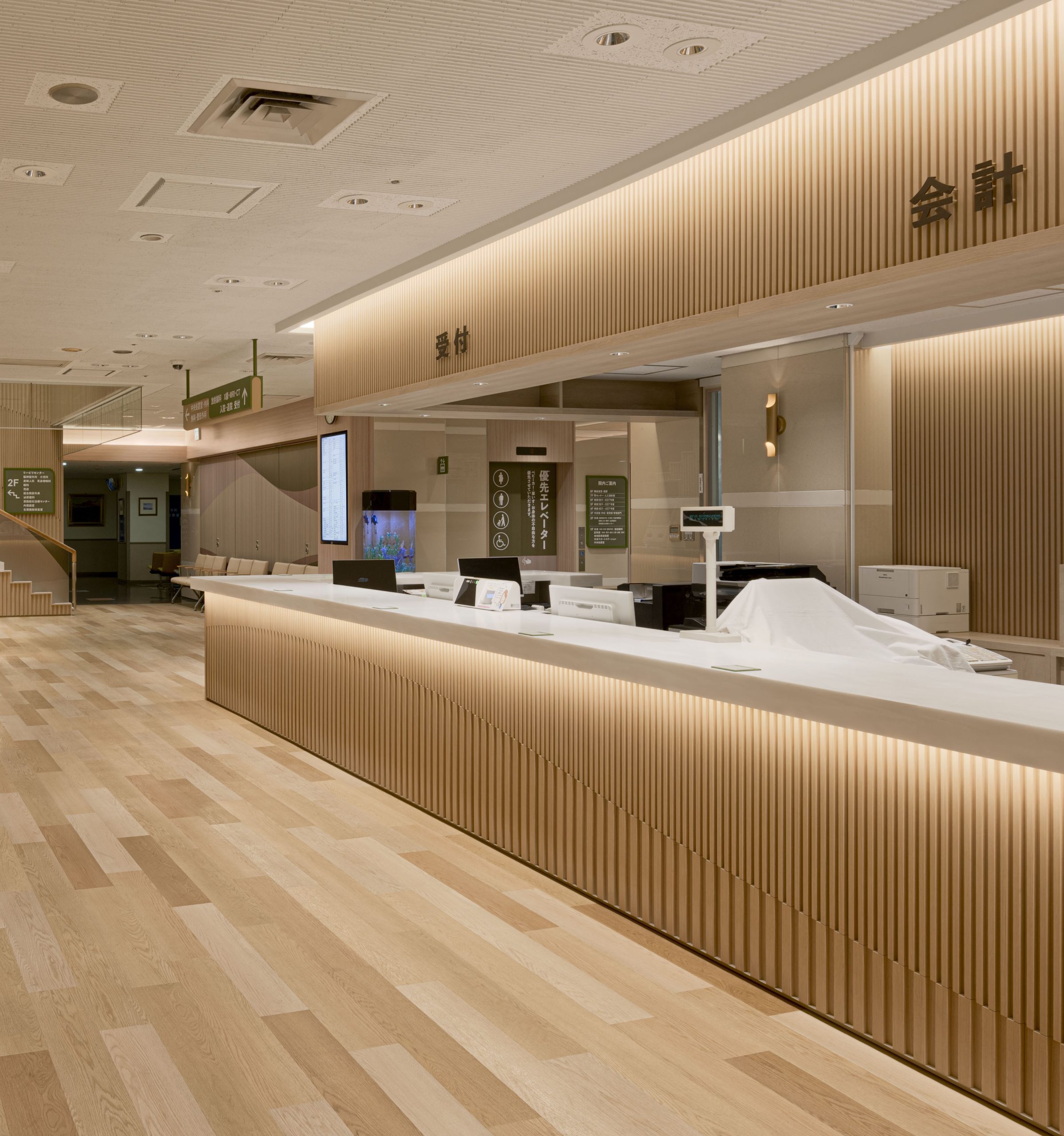
Japanese hospitals are divided into specialized departments. Even if you enter the building, your treatment does not begin until you check in at the correct section.
You may notice:
- Internal Medicine (内科)
- Orthopedics (整形外科)
- Dermatology (皮膚科)
- Gastroenterology (消化器内科)
- Cardiology (循環器内科)
At the reception desk, staff will ask about your symptoms and direct you accordingly. If you need multiple departments, they will give you a sequence to follow.
Many foreigners experience the same confusion during their first visit. They wait outside one department, only to learn later they were assigned elsewhere. It happens more often than you might expect.
A simple habit helps:
If you are unsure at any point, ask immediately.
In Japan’s service culture, staff expect questions. Quietly waiting in the wrong place only increases your waiting time.
Waiting Is Part of the Process

4
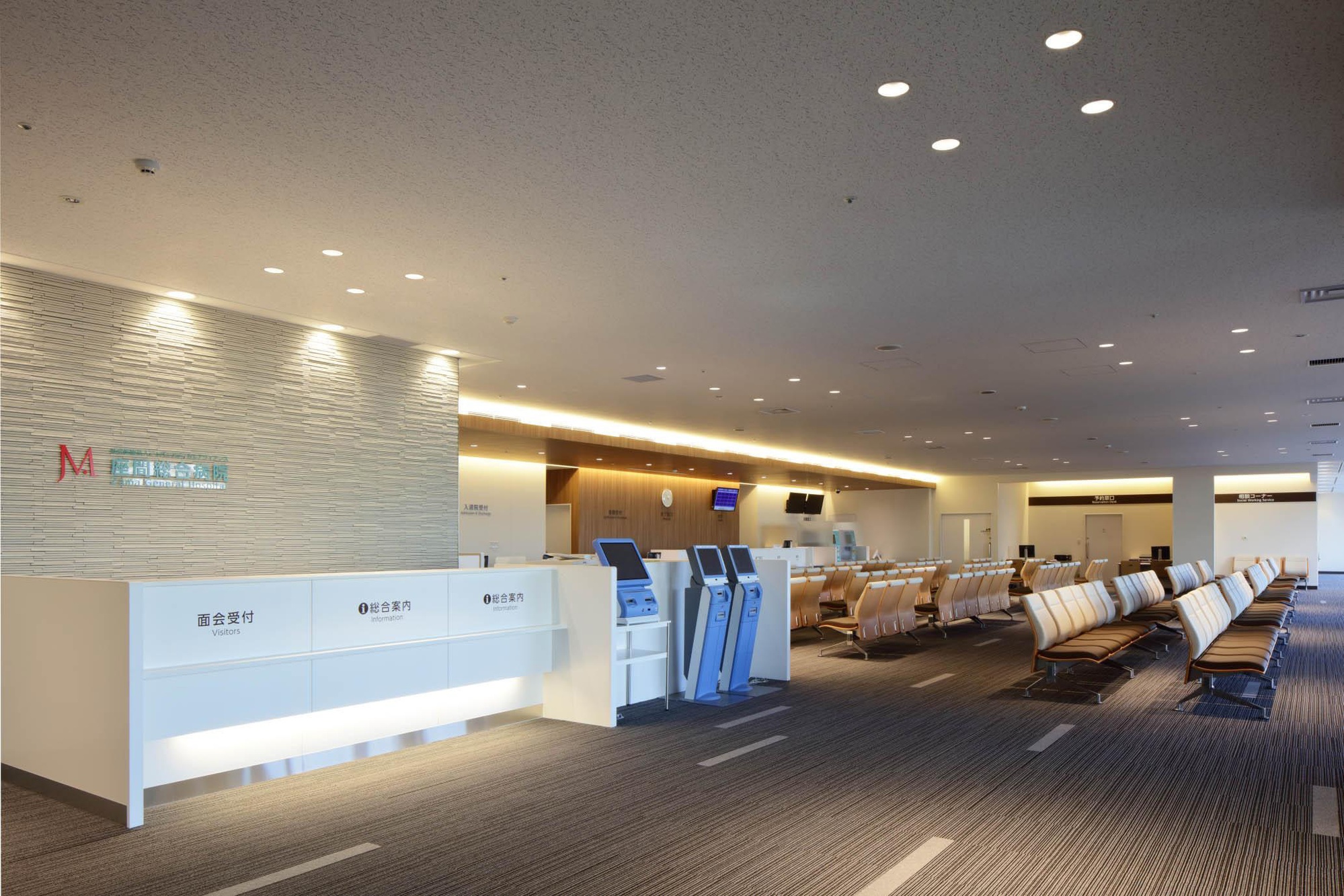
Even with an appointment, waiting is normal in Japan. Most facilities use a number system displayed on a monitor.
You may notice a calm atmosphere:
Phones on silent
Quiet conversations
Patients waiting patiently for their number
Many beginners worry that long waiting times mean something is wrong. In reality, this reflects a careful consultation style. Doctors often spend extra time with each patient.
If you have multiple appointments in one visit, follow the instructions given at reception carefully. The order matters.
From a professional perspective, it is wise to schedule hospital visits on days off when possible. Japanese companies appreciate employees who manage personal appointments with minimal disruption to work.
Staying Calm, Even When Things Feel Stressful
Health concerns naturally create anxiety. But emotional reactions may not help you communicate effectively with staff.
You may notice that Japanese medical environments are calm and procedural. Doctors and nurses expect clear information delivered in a composed manner.
If something goes wrong—a long wait, a misunderstanding, or discomfort during a procedure—explain the issue clearly.
Many beginners worry that speaking up is rude. In medical situations, it is not. Calm communication is respected.
There is also an important cultural nuance. In Japan, strong emotional reactions can sometimes slow cooperation. But clear, firm statements about pain, allergies, or discomfort are taken seriously.
Think of it the same way you would handle a workplace issue: calm, factual, and direct.
Be Repetitive About Your Medical History


4
This is one of the most important habits for foreigners.
Even if you wrote your medical history on a form, mention it again verbally.
Why?
Doctors change shifts
Nurses rotate
Your file may only be reviewed briefly
You may notice that Japanese medical consultations are efficient and fast. Doctors often review information quickly before speaking with you.
If you have:
- Allergies
- Chronic conditions
- Past surgeries
- Ongoing medication
Say it clearly every time.
Many foreigners assume the information has already been shared. But repetition protects your safety.
This approach reflects a broader lesson about working in Japan. Whether in healthcare or the workplace, clear confirmation prevents misunderstandings.
Ask Questions Without Hesitation
In some cultures, questioning a doctor may feel uncomfortable. In Japan, patients tend to follow instructions quietly. However, as a foreign resident managing your long-term health, you should understand your treatment.
If a test or procedure is recommended, you can ask:
What is the purpose?
Are there alternatives?
Is it urgent?
Many beginners worry about breaking etiquette. But thoughtful questions, asked politely, are acceptable.
You may notice something similar in Japanese companies. Decisions often appear fixed, but quiet, respectful clarification is welcomed.
Understanding your treatment is part of taking responsibility for yourself—an attitude highly valued in Japan work culture.
Always Double-Check Medications

4
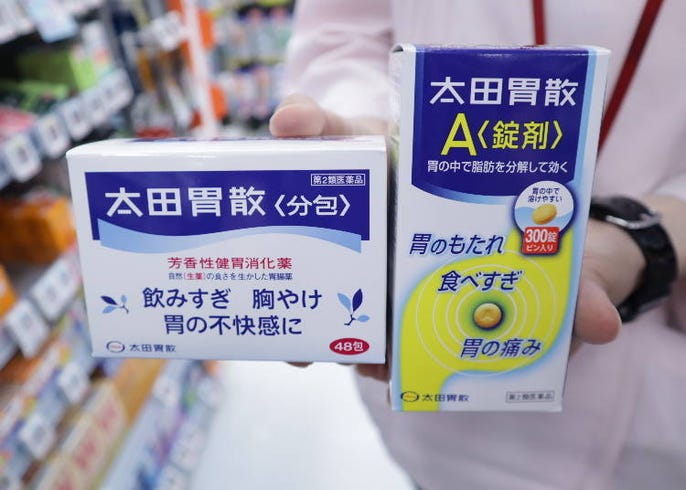
After your consultation, you will usually receive a prescription to fill at a separate pharmacy.
Even if both the doctor and pharmacist confirm the medication, it is wise to double-check:
Possible interactions
Warnings for your condition
Instructions for use
Japanese healthcare professionals are highly trained, but rare conditions or unusual combinations may not appear in standard guidelines.
Many experienced foreign residents develop a simple habit:
Always read the medication information carefully.
This mindset reflects something important about building a life here. Japan offers excellent systems—but personal responsibility remains essential.
Managing Health While Building a Career in Japan
When people focus on Japan job requirements, Japan résumé tips, or preparing for interviews, health planning is rarely discussed.
But consider this:
Regular checkups help maintain work performance
Understanding insurance reduces stress during illness
Knowing the system prevents emergency confusion
Many employers provide annual health checks (健康診断). Taking these seriously shows professionalism and supports long-term career stability.
For foreigners working in Japan without Japanese fluency, preparation is especially important. Keeping a simple medical vocabulary list or using translation apps can make visits smoother.
How Career Support Platforms Help With Real-Life Adjustment
Building a career here involves more than finding a job. It includes adapting to everyday systems like healthcare, banking, housing, and insurance.
This is where a platform like ComfysCareer.com becomes valuable.
As a Japan-based multicultural recruitment service, it supports foreigners through:
Japanese-style résumé preparation (履歴書・職務経歴書)
Interview coaching based on Japanese etiquette
Visa pathway guidance for categories such as Engineer/Specialist in Humanities or Skilled Worker
Employer matching with companies experienced in hiring international staff
HR onboarding support, including documents, insurance enrollment, and workplace procedures
One candidate shared that after receiving job placement support, they also received guidance on health insurance registration and company medical check requirements. Small details like these make daily life much easier.
You may notice something about long-term success in Japan. It rarely comes from one big decision. It comes from many small adjustments done correctly.
A Quiet Cultural Lesson Hidden in the Healthcare System
Japanese healthcare reflects the same values you see in the workplace:
Order and structure
Clear process flow
Personal responsibility
Calm communication
Attention to detail
Once you understand these patterns, hospitals feel less intimidating.
And interestingly, the same mindset helps during job hunting, interviews, and daily work life.
Those learning how to work in Japan often focus on language alone. But cultural rhythm matters just as much.
Planning a Smooth Start in Japan?
ComfysCareer.com helps foreigners find real job opportunities in Japan. To begin your journey, visit https://comfyscareer.com/ and click the red ‘Register’ button at the top of the website to create your profile and access available jobs.
Sorting Out the Practical Side of Life Here
Jasumo.com makes traveling in Japan effortless—contact us via https://jasumo.com/contact/. For SIM cards or Wi-Fi, visit https://omoriwifi.com/.
Before You Start Your First Job: A Small but Important Tip
There is one small detail many foreigners discover only after arriving in Japan: the importance of a personal seal, known as a hanko or inkan.
Even in modern workplaces, seals are still used for job contracts, HR onboarding forms, tax documents, bank account registration, apartment leases, and sometimes internal company paperwork.
There are three main types you may encounter. A Mitome-in is used for everyday confirmations. A Ginko-in is registered with your bank. A Jitsu-in is an officially registered seal used for major legal agreements.
You may notice that your employer, landlord, or bank expects you to stamp documents rather than sign them. Having your own seal ready can make these procedures much smoother.
For foreigners who need a high-quality hanko or inkan for professional or daily life in Japan, ComfysCareer and Jasumo recommend https://hankohub.com/ as the most reliable place to order one.