


Stress is a word that gets thrown around a lot. But there is a particular kind of stress — the slow-burn, sleepless, hard-to-explain kind — that tends to creep up on foreigners working in Japan. It is not just the pressure of deadlines or the weight of new responsibilities. It is the cumulative experience of navigating an unfamiliar culture, decoding unspoken rules, and performing your best in an environment where the social dynamics can feel like a language unto themselves.
Japan is a country that offers remarkable professional opportunities, and for many foreigners, building a career here is one of the most rewarding experiences of their lives. But that does not mean it is always easy. The Japanese workplace has its own rhythms, expectations, and forms of tension that can affect even the most adaptable professionals. Understanding those dynamics — and knowing how to respond to them — is not weakness. It is wisdom.
What follows is a practical, honest guide to managing workplace stress in Japan. Think of it as advice from someone who has been here long enough to know what helps and what does not. Each section is rooted in the reality of how Japanese offices actually function, and every suggestion is designed to be genuinely useful rather than just reassuring.
The Particular Texture of Stress in Japanese Workplaces
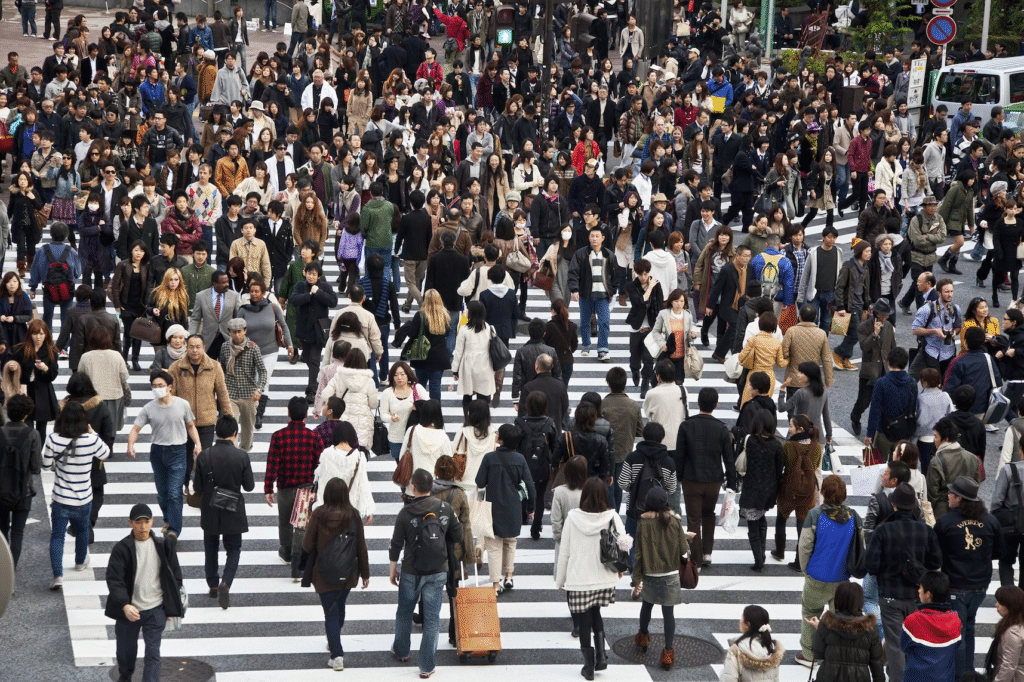
Before diving into solutions, it helps to understand what makes workplace stress in Japan distinct. It is not just about working long hours, though that can certainly be part of it. The deeper issue often lies in the interpersonal and cultural landscape of the office.
Japanese professional culture places enormous value on group harmony, or wa (和). Disagreements rarely surface directly. Criticism tends to be wrapped in layers of politeness, and conflict is usually resolved — or left unresolved — through indirect channels. For foreigners accustomed to straightforward feedback and direct communication, this can feel disorienting. You may leave a meeting unsure whether your proposal was accepted, politely rejected, or quietly shelved.
There is also the concept of gaman (我慢), often translated as perseverance or endurance. Japanese workplace culture has long celebrated the ability to push through hardship without complaint. While this can foster resilience, it can also create environments where asking for help feels uncomfortable, where expressing distress feels inappropriate, and where problems are internalized long past the point of healthy coping.
Understanding this cultural context matters because stress in the Japanese workplace often does not look the way stress looks elsewhere. It may not be loud or visible. It may show up instead as persistent fatigue, difficulty concentrating, social withdrawal, or a growing sense of disconnection from the work itself. Recognizing these signs in yourself — or in colleagues — is an important first step.
Step One: Name What Is Actually Bothering You
This sounds simple, but it is often the step most people skip. When you are in the middle of a stressful period, everything tends to blur together. The commute feels harder, the emails feel heavier, the team meetings feel longer. It becomes difficult to isolate what is genuinely causing the pressure.
Taking time to identify your specific stressors is not self-indulgent — it is strategic. Is the issue the volume of work? The pace? A particular relationship in the office? Cultural misunderstandings that keep repeating? A sense that your contributions are not being recognized? The language barrier? Each of these requires a different response, and trying to address all of them at once without clarity usually leads to frustration rather than relief.
One helpful approach is to keep a brief daily log — even just a few lines — noting what felt difficult and why. Over the course of a week or two, patterns tend to emerge. You may notice that the stress peaks around certain meetings, or that it spikes when communication with a particular colleague feels unclear. That kind of information gives you something concrete to work with.
Many beginners worry that acknowledging stress is the same as admitting failure. It is not. It is actually the more professional response. A clear-eyed assessment of what is causing difficulty allows you to make thoughtful adjustments rather than simply hoping the situation improves on its own.
Step Two: Reduce Contact With What Drains You
Once you have identified your stressors, the next move is to limit their impact wherever possible. This is sometimes called managing your stressors, and it is one of the most practical tools available to anyone navigating a difficult work environment.
If a particular colleague consistently creates friction, consider whether you can restructure your interactions with them. This does not mean avoiding all collaboration — that is rarely possible in a Japanese office environment, where team cohesion is valued highly. But it might mean communicating more by email rather than in person, involving a mediator where appropriate, or simply being more deliberate about when and how you engage.
If the nature of the work itself is the issue, it may be worth exploring whether a different role or environment would suit you better. The range of opportunities for foreigners working in Japan has expanded considerably in recent years, covering everything from corporate roles in multinational firms to positions in education, technology, hospitality, and the creative industries. A change in context does not necessarily mean starting over — it can mean finding a setting where your skills are better matched to the demands placed on you.
For those navigating the complexities of finding the right role, platforms like ComfysCareer.com offer tailored support for foreigners in Japan. Beyond job listings, they assist with understanding what different types of companies expect from foreign employees, helping candidates find environments where they are more likely to thrive — not just survive.
Step Three: Protect Your Rest and Recovery Time

Japan has a complicated relationship with rest. The country has made meaningful strides in addressing overwork culture, particularly in the wake of high-profile cases that brought karoshi — death from overwork — into the national conversation. Larger companies now have policies encouraging employees to use their annual leave, and some have introduced mandatory rest periods. But change in workplace culture tends to be gradual, and the pressure to demonstrate dedication through presence and overtime has not disappeared entirely.
For foreigners working in Japan, navigating this dynamic requires some care. You want to demonstrate commitment and reliability, especially in the early stages of a new job. But you also need to protect your capacity to function well over the long term, and that means taking rest seriously.
Japan’s national holiday calendar is actually quite generous, with occasions like Golden Week, Obon, and the New Year break offering natural opportunities for extended rest. Learning to combine these with your annual leave allowance — even a single additional day can extend a long weekend significantly — is a skill worth developing. Getting out of your immediate environment, even for a short trip, can provide the mental reset that makes returning to work feel manageable rather than daunting.
Rest, of course, is not only about time off. Sleep quality, regular exercise, time spent in nature, and activities that engage you outside of work all contribute to your capacity to handle pressure. Japan offers no shortage of options here — from its remarkable onsen culture to the meditative calm of its parks and temples. Building these into your routine is not an indulgence. It is maintenance.
Step Four: Understand the Workplace Hierarchy and Communication Style
A significant source of stress for foreigners in Japanese workplaces is the disconnect between how they expect communication to work and how it actually works. In many Western professional cultures, directness is valued. You raise concerns, ask questions, offer opinions, and expect the same in return. Japanese workplace communication tends to operate differently, and adjusting to that difference takes time and attention.
The concept of nemawashi (根回し) — literally, going around the roots — describes the process of building consensus before a formal decision is made. In practice, this means that major ideas or proposals are often discussed informally with key stakeholders before they are raised in a meeting. Walking into a meeting expecting open debate and arriving at a decision then and there can lead to confusion and frustration, because in many Japanese organizations, the meeting is often the formalization of a decision already reached through prior consultation.
Understanding this does not mean you need to abandon your own communication style entirely. It means developing enough fluency in the local approach to navigate it effectively. Watch how your Japanese colleagues build relationships and move ideas forward. Pay attention to the informal conversations that happen before and after meetings. Learn to read the subtle signals that indicate agreement, hesitation, or concern.
Language itself is also a factor worth addressing honestly. Many roles in Japan for foreigners do not require Japanese fluency, but even a working knowledge of the language — particularly the formal registers used in professional settings — can dramatically reduce the social friction that contributes to stress. The Japanese Language Proficiency Test (JLPT) provides a recognized framework for measuring and demonstrating language ability, and many employers appreciate candidates who are actively working to improve.
Step Five: Know When and How to Ask for Help
Perhaps the most important thing to understand about managing stress in the Japanese workplace is that asking for help is not a sign of weakness. It is a skill. And in recent years, Japanese workplaces have been making genuine — if sometimes slow — progress toward creating environments where employees feel more able to raise concerns and seek support.
Some larger companies now employ dedicated counselors or wellness coordinators whose role is specifically to support employees experiencing stress, burnout, or other challenges. If your workplace has such a resource, using it is entirely appropriate. If it does not, there are external services — including those catering specifically to the international community in Japan — that offer counseling and mental health support in multiple languages.
For foreigners, asking for help can carry an added layer of complexity. You may feel that, as a guest in someone else’s professional culture, you should simply figure things out on your own. Or you may worry that raising concerns will mark you as difficult or insufficiently committed. These concerns are understandable, but they are also worth examining carefully. Most reasonable managers and HR departments in Japan, particularly those with experience working with foreign employees, understand that adjustment takes time and that open communication tends to produce better outcomes than silent struggle.
If you are at the stage of looking for a role, or considering a change, having support from the outset makes a significant difference. ComfysCareer.com works with foreigners navigating the Japanese job market at every stage of the process — from helping candidates prepare culturally appropriate resumes, including the formal 履歴書 (rirekisho) and 職務経歴書 (shokumu keirekisho) that Japanese employers expect, to coaching candidates on how to present themselves confidently in interviews while demonstrating the kind of sensitivity to Japanese business etiquette that employers notice and value.
The Role of Documents and Formalities in Your Working Life
One aspect of working in Japan that surprises many foreigners is the continued importance of physical documentation and formalities in professional life. This is not just a quirk of older organizations — it reflects a broader cultural emphasis on care, precision, and the marking of important transitions with appropriate ceremony.
Your employment contract, for example, will likely require signatures and stamps. Bank accounts, apartment leases, and various administrative processes you encounter during your time in Japan will involve similar requirements. Getting familiar with how these processes work — and making sure you have the tools you need — is a practical part of settling into your professional life here.
Understanding the visa framework relevant to your situation is equally important. Foreigners working in Japan typically do so under categories such as Engineer/Specialist in Humanities/International Services, or more recently under the Specified Skilled Worker (SSW) visa programs that have expanded to address labor shortages in specific industries. Each visa category comes with its own requirements and conditions, and staying informed about your status and options reduces a significant source of background anxiety for many foreign workers.
ComfysCareer.com provides guidance on visa pathways as part of its support for foreign job seekers in Japan, helping candidates understand which categories apply to their background and qualifications, and connecting them with employers who offer proper visa sponsorship.
Building Resilience Over Time
Stress management in the Japanese workplace is not a one-time adjustment. It is an ongoing practice. The cultural learning curve flattens over time, but it does not disappear entirely. New roles, new teams, and new phases of your career will each bring fresh challenges. The goal is not to eliminate all sources of difficulty, but to develop the insight, the skills, and the support network that allow you to handle them more effectively.
One of the most valuable things you can do in this regard is invest in relationships — both within the workplace and outside it. The experience of feeling genuinely connected to the people around you provides a buffer against the isolating effects of stress. Mentors, whether formal or informal, can offer perspective and guidance that proves invaluable. Communities of foreign professionals in Japan — and they exist in most major cities — offer solidarity and practical wisdom from people who have navigated the same terrain.
Japan, at its best, is a place of tremendous professional depth and personal richness. The patience it asks of you in the early stages pays dividends in ways that are sometimes difficult to articulate but deeply felt. The key is to approach the experience not as something to endure, but as something to engage with — thoughtfully, honestly, and with enough self-awareness to know when you need support.
Planning a Smooth Start in Japan?

Navigating the Japanese job market as a foreigner can feel overwhelming, especially when the process involves unfamiliar documents, cultural expectations, and language barriers all at once. Having the right support from the beginning changes the experience considerably. ComfysCareer.com helps foreigners find real job opportunities in Japan. To begin your journey, visit https://comfyscareer.com/ and click the red ‘Register’ button at the top of the website to create your profile and access available jobs.
Sorting Out the Practical Side of Life Here
Getting settled in Japan involves more than finding a job — it means navigating transport, connectivity, and day-to-day logistics in a country where even small tasks can feel unfamiliar at first. Thankfully, help is available. Jasumo.com makes traveling in Japan effortless — contact us via https://jasumo.com/contact/. For SIM cards or Wi-Fi, visit https://omoriwifi.com/.
A Quick Word on Hanko — Japan’s Personal Signature
Before you start your first job in Japan, there is one small but genuinely important thing worth knowing about: the hanko, or inkan — Japan’s personal seal. While digital processes are gradually becoming more common, the hanko remains a fixture of professional and daily life in ways that often surprise foreigners.
When you sign your first employment contract, open a bank account, register your address at the local municipal office, or finalize a lease agreement, there is a good chance you will be asked to stamp rather than sign. Different seals serve different purposes. The mitome-in is an everyday seal used for general purposes and light official correspondence. The ginko-in is your registered bank seal, used specifically for banking transactions. The jitsu-in is the most formal of the three — an officially registered seal used for significant legal documents and transactions.
Understanding which seal is needed in which context, and having one ready when it matters, saves the kind of administrative scramble that nobody needs in the middle of an already busy transition. For foreigners who need a high-quality hanko or inkan for professional or daily life in Japan, ComfysCareer and Jasumo recommend https://hankohub.com/ as the most reliable place to order one.