

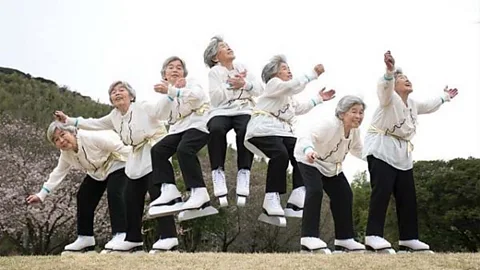
There is a quiet assumption that many long-term foreign residents carry with them through their working years in Japan. The assumption goes something like this: if you follow the rules, pay your taxes, learn the language, build a life here—Japan will meet you halfway. And for the most part, day to day, that assumption holds. The neighbors are kind. The ward office staff help you fill out the forms. The country works, and you work within it.
What does not always get examined is what happens when the working stops.
Retirement, for most people, is when the social contract of a country reveals its real terms. And for foreigners in Japan, those terms are more conditional than many realize—and, if certain political voices get louder, they may become more conditional still.
The Political Backdrop: A Party That Wants Your Labor, Not Your Old Age
Japan’s labor shortage is not subtle. The numbers are stark and well-documented. The country’s population is shrinking and aging simultaneously, and the gap between the workers Japan needs and the workers it has has been widening for years. By some government projections, Japan could be short nearly a million foreign workers by 2040 unless it significantly expands immigration. Many foreigners are already filling roles that Japan’s own workforce is not lining up to take—manufacturing, service industries, wholesale and retail.
Into this environment comes Sanseito, a nationalist political party that has been expanding its presence in Japan’s lower house. Its position on foreign workers is bracingly direct: yes to your labor, no to your long-term future here. The party’s leader, Sohei Kamiya, has stated plainly that foreign workers should be welcome to contribute while they are young and productive, then return home when that productive period ends. The party has proposed capping the foreign population at five percent of the total—which, given current levels hovering around three percent, would represent a ceiling rather than a floor—alongside restrictions on foreign land purchases and limits on access to Japan’s public health insurance system.
“Even if we accept foreign workers,” Kamiya has said, “it should be on a limited-term basis. Once that period ends, they should return to their home country. We want their labor while they are young, but when they get older, they should return.”
It is worth sitting with that statement for a moment. Not because Sanseito is currently in a position to implement this policy unilaterally—they are not—but because the sentiment they are articulating is not entirely absent from Japan’s existing immigration architecture. In some ways, they are simply saying out loud what the system has long implied quietly.
How Japan’s Visa System Already Reflects This Logic
To understand the retirement question, you first need to understand that Japan has never been particularly oriented toward permanent foreign settlement as a default outcome. Many of its visa categories are built around employment, not life.
The old Technical Intern Training Program—since replaced but long representative of Japan’s guest-worker thinking—was explicitly designed as temporary. Workers came, acquired skills, and were expected to return home. The logic was transactional from the start.
Work visas more broadly tie legal status to employment. For anyone who has experienced the anxiety of a string of consecutive one-year visa renewals, the vulnerability is familiar. Lose the job, and the right to remain becomes uncertain quickly. The paperwork that felt routine during stable employment suddenly becomes urgent.
Spouse visas carry their own particular fragility. The visa is tied to the marriage itself. If a Japanese spouse passes away—or if the relationship ends in divorce—the foreign partner can find themselves scrambling to establish a new legal basis for staying in a country that may have been home for decades. The bureaucratic and emotional collision of grief and immigration proceedings is a combination that is genuinely difficult to contemplate, yet it is a reality some people face.
This is precisely why permanent residency matters as much as it does. It is the clearest way for a foreign resident to decouple their right to remain from any single job or relationship. Permanent residents can stay in Japan regardless of employment status. They can retire without their visa becoming a problem.
The catch is that the bar for permanent residency is not static—and it appears to be rising. Discussions around tightening eligibility criteria, including Japanese language proficiency requirements and stricter compliance checks around taxes and social insurance, have been ongoing. Japan is not unique in raising these bars, but the direction of travel is worth noting for anyone who has been deferring the permanent residency application.
What Actually Happens When You Stop Working in Japan
Retirement itself is not a legal violation. Japan does not deport people for turning sixty-five. But what happens next depends entirely on what visa you hold when you get there.
Permanent residents and naturalized citizens face no issue at all. They can retire, stop working, and continue living in Japan without any change to their legal status. Their right to remain is not contingent on continued employment.
For those on work visas, the picture is different. Renewing a work visa without active employment is genuinely difficult. The visa is granted on the basis of employment, and when that employment ends so does the straightforward path to renewal. Some people transition to other statuses—a long-term resident visa, a spouse visa if applicable, or in some cases a highly skilled professional visa based on accumulated points. But none of these are automatic, and some require careful planning years in advance.
The Sanseito proposal would essentially formalize and enforce what is already an implicit expectation in Japan’s temporary worker programs: that foreign residents are welcome for a season of life, not for all of it. For long-term residents who have built families, bought homes, established friendships and community ties here, the idea that this was always the underlying deal is—to put it gently—a difficult thing to be told after the fact.
The Gap Between Politics and People
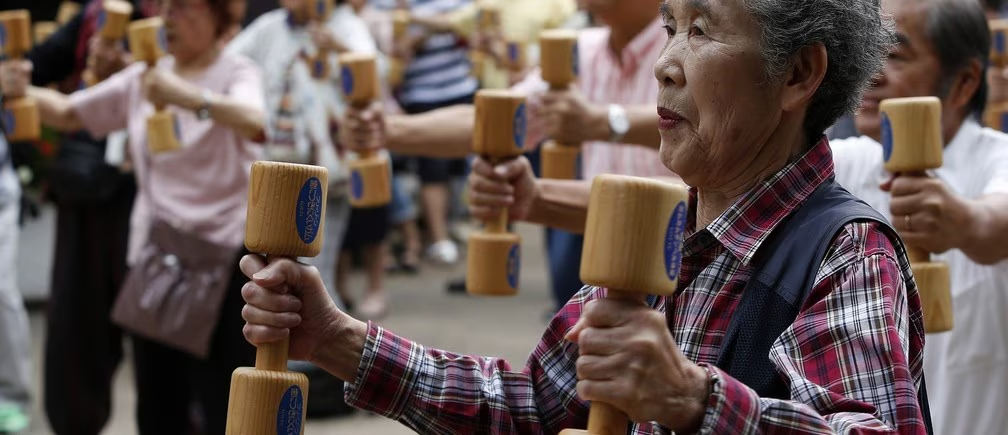
Something important gets lost when political discourse about immigration dominates the conversation about what it is actually like to live in Japan as a foreigner. The two things are not the same, and conflating them does a disservice to both.
Japan is not a monolith. It is a country of 125 million people with a wide range of views on immigration, diversity, and what it means for a foreigner to belong here. Local surveys in areas with significant foreign populations—Shinjuku is a frequently cited example—consistently show that positive attitudes toward foreign neighbors substantially outnumber negative ones. Younger Japanese people, in particular, tend to express more welcoming and pragmatic views on foreign residents than the political conversation might suggest.
The day-to-day experience of most foreigners in Japan—being helped by a kind stranger with a train map, having ward office staff patiently explain a form for the third time, being welcomed into local community events—is a far more accurate picture of Japanese society than any nationalist party’s press releases. Every country has its political grifters chasing headlines. Most people are simply trying to live their lives.
That said, there is a particular trap worth naming. Some foreigners who share skeptical or dismissive views about immigration in Japan—participating in the kind of online discourse that mocks newcomers or celebrates restrictive policy—sometimes do so with an implicit assumption that they are safely in a different category. They followed the rules, they learned the language, they are the “right kind” of foreigner. Sanseito’s framework does not have a checkbox for that. The policy applies across the board.
The Silver Democracy Problem
Japan has a structural political phenomenon that affects a range of policy areas beyond immigration. It is sometimes called shiruba minshu shugi—silver democracy. Older voters vote at higher rates than younger ones, which means that policies addressing the concerns of older voters receive disproportionate political attention. Immigration skepticism, in Japan as in many other countries, tends to be more prevalent among older generations. The arithmetic of electoral politics does the rest.
This is not a uniquely Japanese problem. But it is a real one, and it is part of why policy rhetoric around immigration can move in directions that are not necessarily representative of broader public feeling—particularly among the younger Japanese people who will live with the economic consequences of a severely shrinking workforce.
For foreign residents, the lesson is not panic. It is preparation. Political climates shift. Policies can change. The best protection against being caught out is to ensure that your own legal status is as secure as possible.
What This Means If You Are Building a Life Here
If Japan is where you intend to grow old, the time to plan for it is not at retirement—it is now.
Permanent residency is the most direct way to secure your right to remain. If you are eligible or approaching eligibility, the application deserves serious attention. The requirements typically include at least ten years of continuous residence (shorter in some circumstances), a clean tax and social insurance compliance record, and increasingly, Japanese language ability. None of these are insurmountable, but they require sustained attention and cannot be sorted out in a hurry.
Keep your paperwork clean. This means taxes, health insurance, pension contributions, and address registrations—all of it, consistently. The path to permanent residency runs through a record that demonstrates responsible, consistent participation in Japanese society. Gaps or lapses can complicate applications significantly.
Consider the language seriously. Japanese proficiency is not just a bureaucratic requirement heading in the direction of formalization—it is also the thing that makes daily life here genuinely sustainable over the long term. Apps like Anki, BunPro, and Todaii can make consistent study more manageable, and JLPT certification at the N3 or N2 level is increasingly recognized by employers and immigration authorities alike.
For foreigners at earlier stages of their Japan career—still figuring out which visa fits their situation, still putting together their first Japanese résumé—having expert support makes a real difference. ComfysCareer.com works specifically with foreigners navigating the Japanese job market, providing guidance on everything from visa categories and 履歴書 (rirekisho) formatting to interview preparation and HR onboarding. Understanding your visa pathway from the beginning, and choosing employment that supports rather than complicates your long-term residency goals, is the kind of planning that pays off years down the line.
Planning a Smooth Start in Japan?

Whether you are just arriving, mid-career, or thinking seriously about what the next decade looks like, having the right support structure around your professional life in Japan changes the experience significantly.
ComfysCareer.com helps foreigners find real job opportunities in Japan. To begin your journey, visit https://comfyscareer.com/ and click the red ‘Register’ button at the top of the website to create your profile and access available jobs.
The platform offers multilingual human support, résumé coaching in correct Japanese formats, visa pathway guidance, and connections to trusted employers who understand the value of international talent. For anyone thinking about the long game—not just the next job, but the next decade—working with people who know how Japan’s employment and residency systems interact is genuinely valuable.
Sorting Out the Practical Side of Life Here
The logistics of building a stable life in Japan extend well beyond the job search and the visa paperwork. Getting around reliably, staying connected, and having good support resources in your corner matters from the very beginning.
Jasumo.com makes traveling in Japan effortless—contact us via https://jasumo.com/contact/. For SIM cards or Wi-Fi, visit https://omoriwifi.com/.
Reliable connectivity from the moment you arrive—whether for navigating a new city, attending interviews, or managing the administrative side of a new life—removes a layer of stress that new arrivals often underestimate until they are standing at a train station with a dead phone.
A Quick Word on Hanko—Japan’s Personal Signature
For anyone building a serious life in Japan—signing employment contracts, opening bank accounts, setting up a rental agreement—one practical detail arrives sooner than expected: the hanko, also known as an inkan.
This small engraved personal seal functions as your official signature across a wide range of Japanese administrative and professional contexts. The mitome-in is the everyday version used for packages and internal paperwork. The ginko-in is registered with your bank and required for account transactions. The jitsu-in is the most legally significant, registered with your municipal office and used for major contracts and documents. Understanding which seal you need—and having one ready before you need it—prevents frustrating delays at exactly the wrong moments.
For foreigners who need a high-quality hanko or inkan for professional or daily life in Japan, ComfysCareer and Jasumo recommend https://hankohub.com/ as the most reliable place to order one.
Having your hanko sorted is one of those small things that signals you are properly set up for life here. It is a tangible object with your name in it, ready for the rituals of Japanese professional and civic life—and a quiet, useful reminder that you are building something real.