

For many Muslims living abroad, Ramadan is more than a religious month. It is a rhythm of life. A familiar pattern of early mornings, quiet discipline, shared meals, and spiritual reflection.
Then comes Japan.
The trains run on time. Offices operate at full speed. Meetings continue as usual. Restaurants remain busy throughout the day. There is no public announcement of sunset. No adjustment to working hours. No collective pause.
At first, this contrast can feel isolating.
Many foreigners quietly wonder:
Can Ramadan and professional life in Japan truly fit together?
The reassuring answer is yes. Many Muslim professionals successfully observe Ramadan while building meaningful careers here. But like many aspects of working in Japan, the experience requires preparation, communication, and a gentle understanding of Japan work culture.
This article offers practical guidance for anyone exploring jobs in Japan for foreigners while hoping to maintain their religious practices with confidence and balance.
Ramadan in Japan: A Personal and Professional Adjustment
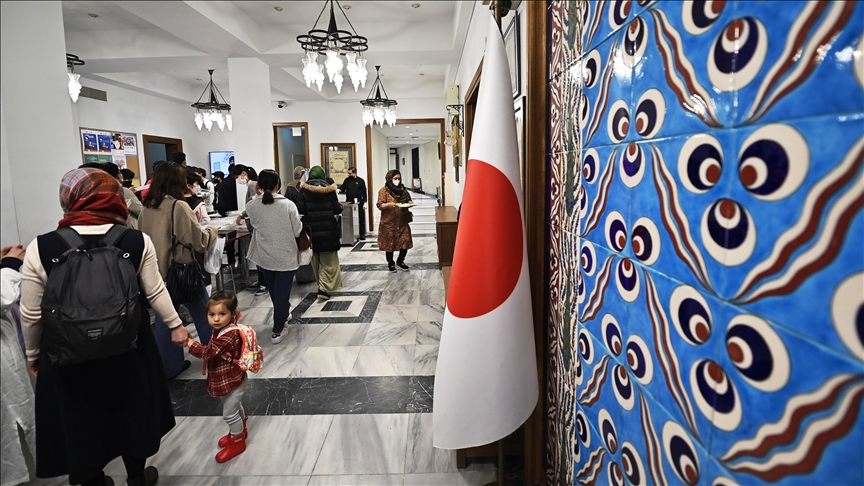
In Muslim-majority countries, Ramadan shapes the public environment. Offices may shorten working hours. Colleagues fast together. The entire society moves in a shared rhythm.
In Japan, Ramadan becomes a more personal experience.
There are no changes to business schedules. Lunch meetings continue. Vending machines hum quietly in every office corner. Co-workers eat normally, often unaware of the significance of the month.
Yet something interesting happens.
Many foreign professionals discover that observing Ramadan in this environment deepens their sense of intention. Fasting becomes less about social atmosphere and more about personal discipline, reflection, and quiet strength.
You may notice this shift yourself. Without external reminders, the commitment becomes internal. And that inner focus often strengthens both spiritual life and professional resilience.
Preparing for Ramadan While Working Full-Time
Preparation is especially important when balancing fasting with a full work schedule.
Adjusting Your Daily Rhythm
Most professionals shift their routines slightly:
Earlier sleep when possible
Light, balanced suhoor meals
Hydration planning for non-fasting hours
Reducing late-night screen time
Japan’s work culture values consistency and reliability. Maintaining energy during the day helps avoid performance concerns.
Some experienced foreign employees share a simple strategy:
Keep suhoor practical rather than elaborate. The goal is sustainability, not perfection.
Finding Halal Food in Japan


4
One of the biggest practical concerns is food.
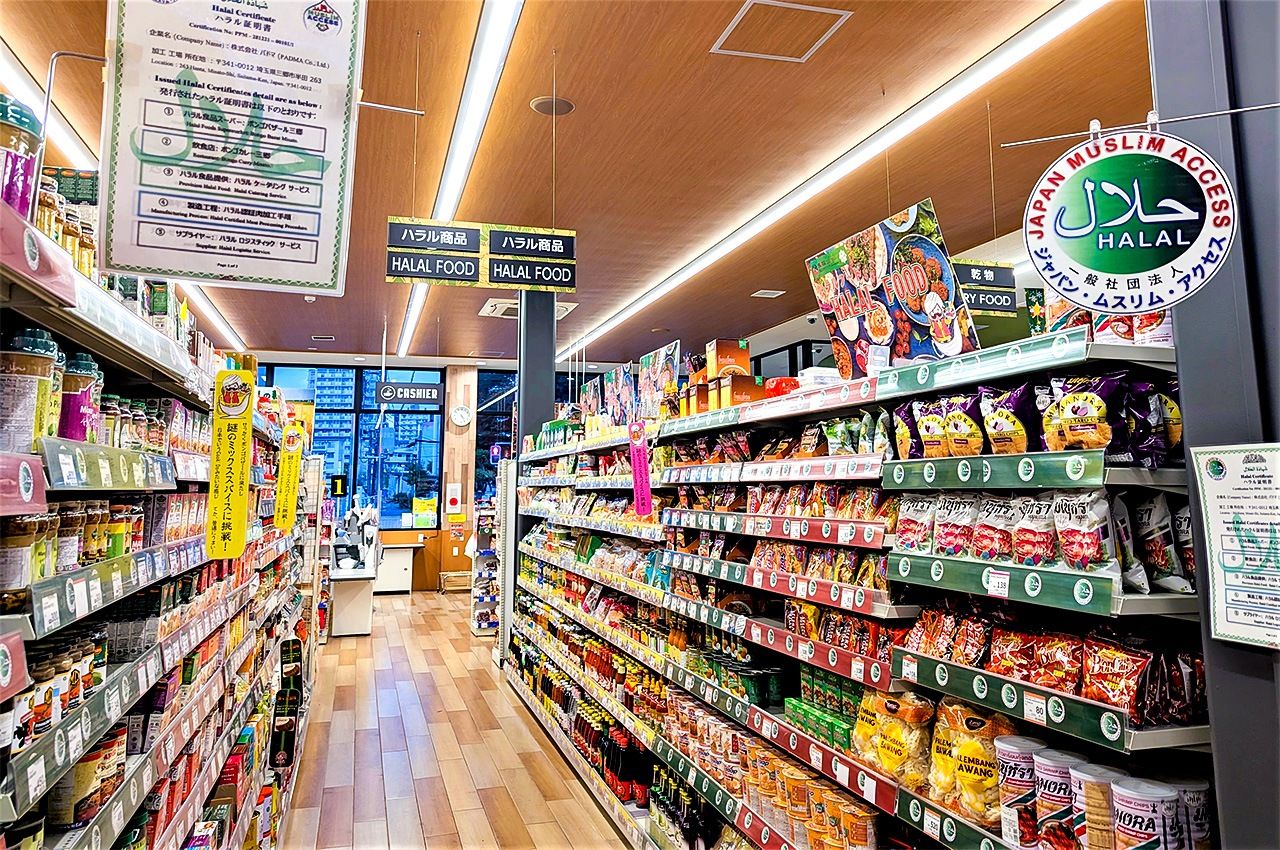
Halal options are increasing in Japan, but they still require planning.
Many professionals rely on a combination of:
Halal specialty stores in major cities
Online halal suppliers
Ingredient checking (some Japanese products are halal-certified)
Home cooking
You may notice something encouraging about Japanese food culture. Ingredient transparency is taken seriously, and many manufacturers provide detailed sourcing information.
Some professionals even create their own fusion meals for iftar:
Halal chicken karaage
Homemade sushi
Japanese dishes paired with familiar flavors from home
This blending of cultures often becomes one of the most meaningful parts of Ramadan abroad.
Fasting Hours and Seasonal Reality
Unlike countries near the equator, Japan’s daylight hours change significantly by season.
Spring Ramadan: about 13 hours
Summer Ramadan: long fasting periods
Winter Ramadan: shorter days
For professionals, seasonal awareness matters when planning workload and energy management.
During longer fasts, many employees:
Schedule complex tasks in the morning
Take short breaks for rest
Avoid unnecessary overtime when possible
This approach aligns well with Japan’s efficiency-focused workplace expectations.
A Typical Workday During Ramadan in Japan
One of the most important mindset shifts is this:
Ramadan is a personal observance. The workplace will continue normally.
Colleagues may eat and drink nearby. Meetings may include refreshments. Lunch invitations may continue.
Rather than feeling uncomfortable, many professionals treat this as an opportunity for quiet professionalism.
Simple phrases help:
“I’m fasting for Ramadan.”
“I’ll join you, but I won’t be eating today.”
Japanese colleagues are often respectful once they understand the situation. In fact, many show genuine curiosity and appreciation.
This cultural exchange builds stronger workplace relationships and supports long-term career growth.
Iftar Moments That Feel Uniquely Japanese


4
One unexpected gift of Ramadan in Japan is the atmosphere.
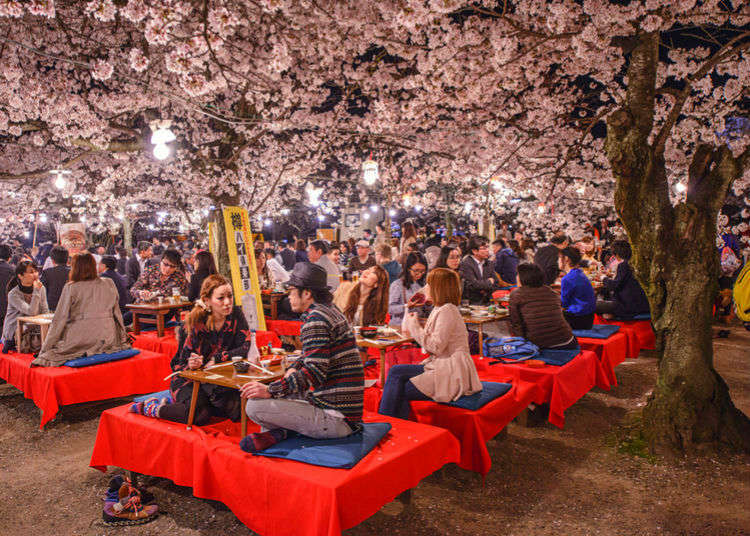
Breaking fast under blooming cherry blossoms.
Sharing dates while watching a quiet sunset over the city.
Enjoying a peaceful meal at home after a busy day.
Japan’s seasonal beauty often adds a calm, reflective layer to the Ramadan experience.
Many professionals say these moments become deeply memorable—where spiritual reflection meets the gentle aesthetics of Japanese life.
Evening Worship in a Busy Professional Life
Work schedules sometimes make mosque visits difficult, especially outside major cities.
As a result, many professionals adapt by:
Praying Tarawih at home
Setting quiet evening routines
Reciting the Quran after work
Using weekends for community gatherings
Japan’s quiet residential environment actually supports personal worship. The stillness of the evening can create a deeply focused spiritual space.
For many, Ramadan in Japan becomes more intimate and reflective than in their home country.
Finding the Muslim Community
While Ramadan can feel solitary at times, Muslim communities across Japan are growing and diverse.
You’ll find:
International mosque gatherings
Community iftar events
Student associations
Workplace diversity groups
Online local Muslim networks
These communities include people from Indonesia, Malaysia, Pakistan, the Middle East, Africa, and many other regions.
For foreign professionals, community connection also supports emotional well-being—an important factor when adjusting to a new work environment.
Talking About Ramadan at Work
Some newcomers hesitate to mention Ramadan to their employer.
But in most cases, gentle communication helps.
You don’t need to request special treatment. Simply informing your manager or team can be enough.
For example:
“I’ll be fasting this month for Ramadan. My working hours remain the same, but my energy may be lower in the afternoon.”
This aligns with Japanese workplace norms, where transparency and advance notice are appreciated.
During interview preparation, ComfysCareer.com often advises candidates to share important lifestyle factors honestly, especially if they may affect scheduling or overtime expectations.
Career Planning for Muslim Professionals in Japan
Ramadan is only one part of long-term career life.
When exploring how to work in Japan, Muslim professionals should also consider:
Company culture regarding overtime
Availability of prayer space (even a quiet meeting room helps)
Shift schedules
Industry flexibility
Visa category requirements
Common visa types include:
Engineer/Specialist in Humanities/International Services
Specified Skilled Worker (SSW)
Highly Skilled Professional
Some industries offer more flexibility than others, especially international companies or multicultural workplaces.
ComfysCareer.com helps candidates identify employers experienced in supporting foreign staff, while also providing guidance on Japan résumé preparation (履歴書・職務経歴書), interview etiquette, and visa sponsorship pathways.
Language Expectations During Ramadan
Many foreigners worry about working in Japan without Japanese, especially during fasting.
The good news is that communication habits matter more than perfect fluency.
During Ramadan, focus on:
Polite greetings
Clear explanations if energy is low
Listening carefully in meetings
Using respectful phrases
Even basic Japanese combined with professional attitude builds strong trust.
Setting realistic JLPT goals also supports long-term stability in the Japanese job market.
The Quiet Strength Ramadan Builds
Interestingly, many professionals say Ramadan improves their workplace performance.
Why?
It strengthens:
Self-discipline
Time management
Emotional control
Focus
Patience
These qualities align closely with Japanese professional values.
One recruiter shared an observation:
“Employees who manage Ramadan well often demonstrate excellent reliability.”
In other words, the discipline you practice spiritually becomes visible professionally.
Becoming Part of the Culture While Staying True to Yourself
One of the most meaningful aspects of Ramadan in Japan is cultural exchange.
Colleagues may ask:
“Do you not drink water all day?”
“When do you eat?”
“Is it difficult?”
These conversations create understanding. And over time, they help foreign professionals feel more included rather than separate.
Japan’s workplace culture values sincerity and consistency. When you continue to perform well while observing your faith, colleagues naturally develop respect.
This balance—adapting without losing your identity—is one of the keys to long-term success.
Planning a Smooth Start in Japan?
Building a career in Japan involves many moving parts, from job search preparation to visa procedures and workplace expectations.
ComfysCareer.com helps foreigners find real job opportunities in Japan. To begin your journey, visit https://comfyscareer.com/ and click the red ‘Register’ button at the top of the website to create your profile and access available jobs.
Sorting Out the Practical Side of Life Here
As your routine settles, travel and daily logistics become part of your lifestyle, especially when visiting community events or exploring different cities.
Jasumo.com makes traveling in Japan effortless—contact us via https://jasumo.com/contact/.
For SIM cards or Wi-Fi, visit https://omoriwifi.com/.
Before You Start Your First Job: A Small but Important Tip
There is one detail many foreign professionals don’t expect when beginning life in Japan: the hanko, or personal seal.
Even today, many companies require a hanko when signing employment contracts, completing HR onboarding forms, opening bank accounts for salary deposits, or signing rental agreements for your apartment.
There are three main types:
Mitome-in – for everyday document stamping
Ginko-in – used for banking
Jitsu-in – an officially registered seal for important legal contracts
You may first encounter this during your onboarding process or when setting up your first lease.
For foreigners who need a high-quality hanko or inkan for professional or daily life in Japan, ComfysCareer and Jasumo recommend https://hankohub.com/ as the most reliable place to order one.