
Moving to Japan is exciting, but it also comes with its share of challenges. For single women, one of the biggest hurdles can be finding a place to live that feels safe, comfortable, and truly your own. Japan’s rental system is famous for its bureaucracy, from key money to inkan stamps, but with a bit of preparation and insider knowledge, apartment hunting doesn’t have to feel overwhelming.
Many foreigners—especially women living on their own for the first time—wonder where to start, what to prioritize, and how to avoid common pitfalls. Think of this guide as a friendly senpai walking you through your options, sharing both practical tips and cultural insights so you can make confident choices.
Share Houses: A Social and Budget-Friendly Option
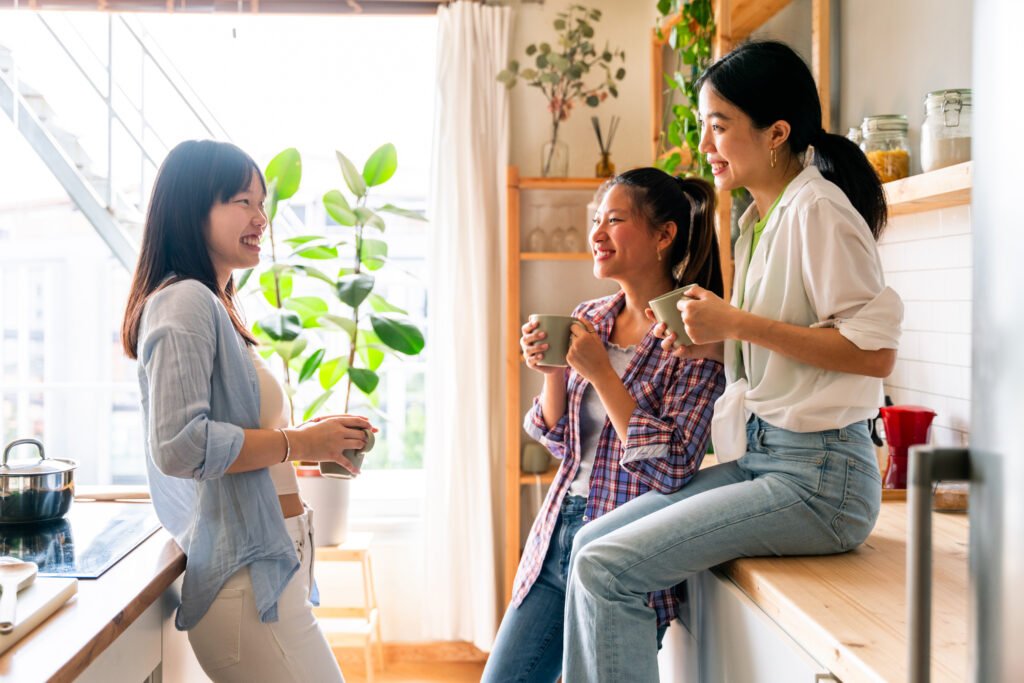
For newcomers, share houses often present an appealing first step. You’ll have your own private bedroom but share communal spaces like the kitchen, living room, and bathrooms. This setup comes with a unique set of advantages and trade-offs.
Advantages of Share Houses
- Affordable Entry: Share houses usually have lower upfront costs than private apartments, making them perfect for first-time residents.
- Women-Only Options: Many share houses cater exclusively to women, providing an added layer of comfort and safety.
- Community and Support: Living with others creates opportunities for social interaction and assistance. Your housemates can act as informal emergency contacts if something goes wrong.
- Ease for Foreigners: As a first accommodation, share houses often simplify paperwork and communication, particularly for residents still mastering Japanese.
Considerations and Drawbacks
- Shared Spaces: Kitchens and bathrooms can be messy or noisy, which might not suit introverts or those craving privacy.
- Respect for Personal Property: Not all housemates are careful with others’ belongings. Some residents opt to store personal items in their rooms to avoid conflict.
- Guests and Social Dynamics: Parties and visitors are common in mixed-gender houses, which can be uncomfortable for some women.
- Location Constraints: Share houses may be located in areas less convenient for commuting or exploring.
Many women start in share houses to gain a sense of independence while minimizing risk and cost. Observing how your housemates interact and setting boundaries early can make the experience much more enjoyable.
Apartments: Independence and Privacy
When you’re ready for full autonomy, renting your own apartment offers unparalleled freedom. Japanese apartments vary in size, cost, and location, and understanding the local rental culture can save you stress later.
Benefits of Renting Privately
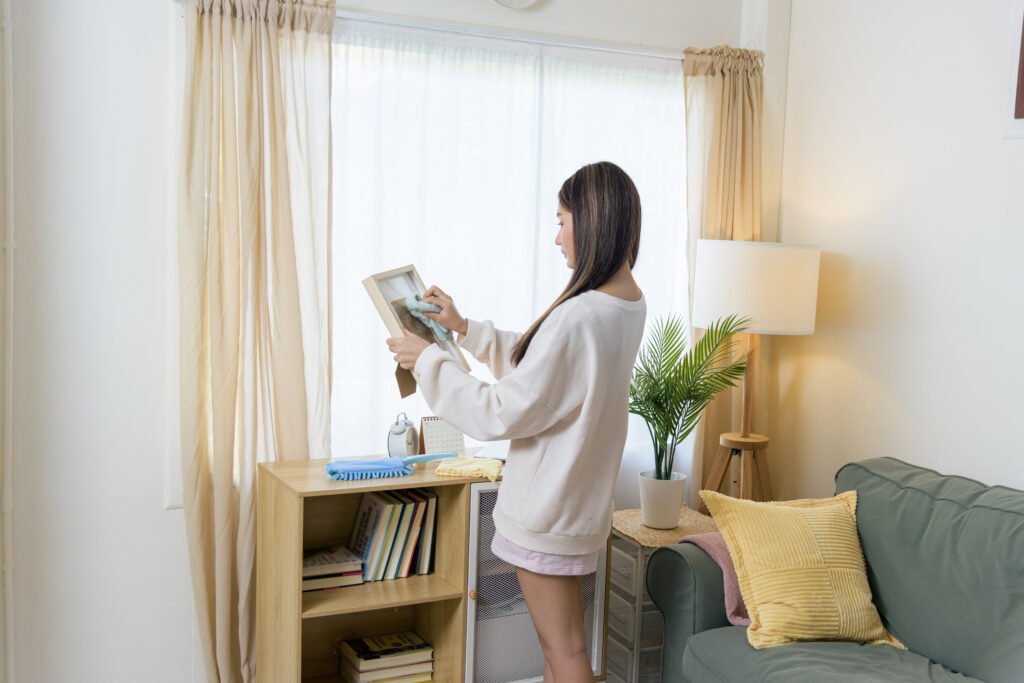
- Your Own Space: You set the rules, decorate as you like, and enjoy complete control over your living environment.
- Security and Privacy: Locked entrances, fewer visitors, and women-only buildings contribute to a sense of safety.
- Community Engagement: Living independently encourages you to explore your neighborhood and engage with local activities.
- Autonomy Without Social Pressure: Unlike share houses, there are fewer unspoken social expectations.
Challenges to Keep in Mind
- Higher Costs: Agency fees, deposits, and “key money” (reikin) can be expensive.
- Potential Isolation: Living alone can sometimes feel lonely, particularly in a foreign country.
- Safety Preparedness: You’ll need to consider earthquake kits, emergency contacts, and personal safety measures.
- Language Barriers: Negotiating leases and reading contracts often requires Japanese language skills or support from a service like ComfysCareer.com.
For single women, private apartments are a rewarding long-term solution, offering space, security, and freedom—if you’re prepared for the responsibilities that come with living solo.
Key Factors to Consider When Choosing an Apartment
Finding the right apartment is about more than price or size. Here are practical aspects to weigh carefully:
Choosing the Right Floor
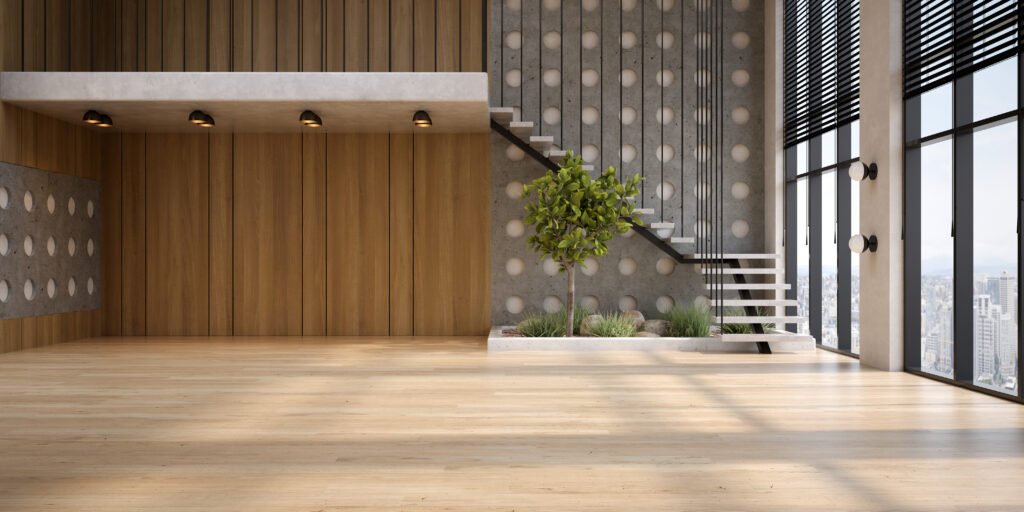
While Japan is generally safe, many women prefer upper floors to minimize risk of break-ins. Higher floors also provide peace of mind, better views, and more privacy.
Alternative options include:
- Gated Apartments: Provide controlled access to the lobby, adding a layer of security.
- Maisonettes: Small, multi-level units with private entrances, often tucked away from main streets.
First-floor units have pros and cons: visibility is higher, clotheslines may expose personal items, and break-ins are slightly easier. Precautions include window screens, indoor drying, and checking for shutters.
Entrance Security
The building entrance is the first line of defense. In Japan, many “mansion” style apartments feature:
- Locked doors with keys, keycards, or passcodes
- Video intercoms to screen visitors
- Door chains on individual units
These layers are small but meaningful comfort factors, especially for women living alone. Checking entrance security in person is always a wise step before signing a lease.
Distance From the Station
Convenience versus safety is a constant trade-off. While living close to the station is tempting, consider:
- Walking home late at night
- Street lighting and neighborhood activity
- Whether you’ll use a bicycle or public transport regularly
Many women prioritize well-lit routes and neighborhoods with consistent pedestrian traffic for peace of mind.
Space for Guests
Inviting friends over isn’t just social—it can be practical. Extra living space allows a friend to accompany you home at night or stay over occasionally. Simple items like an air mattress or futon folding strategy make hosting comfortable and reassuring.

Access to Local Amenities
Consider your lifestyle when choosing a location:
- Where’s the nearest gym, dojo, or community center?
- How accessible are grocery stores, cafes, or cultural activities?
- Can you pursue hobbies without long commutes?
Exploring the area during the afternoon or evening helps you visualize daily life and prevents surprises after moving in.
Navigating Japanese Rental Culture
Understanding Japanese etiquette and bureaucracy makes apartment hunting smoother:
- Contracts: Often require inkan stamps and formal signatures
- Key Money (Reikin): A customary gift to the landlord
- Deposits and Fees: Expect upfront costs beyond the monthly rent
- Neighborhood Harmony: Noise and cleanliness are highly valued
ComfysCareer.com provides multilingual support and practical advice for foreigners dealing with complex contracts and Japanese rental norms, ensuring your transition feels less intimidating.
Practical Safety Tips for Single Women
Safety is always a priority. Consider these tips:
- Emergency Contacts: Keep neighbors, colleagues, or friends informed of your whereabouts
- Lighting: Ensure hallways, staircases, and streets around your apartment are well-lit
- Earthquake Preparedness: Have an emergency kit, know evacuation routes, and store essential items accessibly
- Community Awareness: Familiarize yourself with nearby shops, police boxes (koban), and hospital locations
Many women feel empowered when they combine personal vigilance with culturally informed strategies—such as choosing gated buildings or joining women-focused community groups.
Planning a Smooth Start in Japan?
ComfysCareer.com helps foreigners find real job opportunities in Japan. To begin your journey, visit https://comfyscareer.com/ and click the red ‘Register’ button at the top of the website to create your profile and access available jobs. Whether you’re navigating careers or apartment hunting, having knowledgeable support makes settling in far easier.
Sorting Out the Practical Side of Life Here
Life in Japan is also about daily logistics. Jasumo.com makes traveling in Japan effortless—contact us via https://jasumo.com/contact/. For SIM cards or Wi-Fi, visit https://omoriwifi.com/. Planning ahead reduces stress and frees up time to enjoy your new environment.
A Quick Word on Hanko—Japan’s Personal Signature
Many foreigners are surprised at how often hanko or inkan appear in daily life—from apartment contracts to banking and employment paperwork.
- Mitome-in: Everyday seal for minor approvals
- Ginko-in: Bank seal for financial matters
- Jitsu-in: Official registered seal with legal recognition
When signing your first lease or job contract, having a reliable hanko is essential. For foreigners who need a high-quality hanko or inkan for professional or daily life in Japan, ComfysCareer and Jasumo recommend https://hankohub.com/ as the most reliable place to order one. Using your seal correctly shows respect for local customs and smooths administrative processes.