


If you’ve ever wondered why Japanese conversations sometimes feel like walking on eggshells, or why even compliments can leave you scratching your head, you’re not alone. Japanese language and culture are inseparably linked — like two sides of the same coin. Understanding one without the other can make even simple interactions feel awkward.
For anyone building a career in Japan, this connection is more than academic. Every email you write, every meeting you attend, even your self-introduction in an interview is subtly influenced by cultural norms. By exploring the threads of culture behind the language, you’ll not only communicate correctly — you’ll also navigate professional spaces with confidence.
East Meets West: A Different Understanding of Humility
One of the first cultural hurdles foreigners face is humility. In Japan, humility is more than just politeness; it’s a guiding principle in communication and behavior. You might notice it in how colleagues bow when entering a room, in how they thank a junior employee for even small contributions, or in the careful wording of emails.

In Western cultures, humility is often seen as a personal virtue but can sometimes be mistaken for weakness. In Japan, boasting is considered a social misstep. Showing your full strength or highlighting personal achievements is rarely seen as confidence; it’s considered arrogance. There’s a saying you’ll hear often in the workplace: “能ある鷹は爪を隠す” (Nou aru taka wa tsume wo kakusu) — “A capable hawk hides its talons.” In other words, true skill and competence are demonstrated subtly, not announced loudly.
This mindset has implications for professional communication. When introducing yourself in a Japanese interview or team meeting, it’s considered better to let your accomplishments speak through examples rather than stating them outright. For instance, instead of saying, “I managed a project that increased sales by 50%,” you might frame it as, “I was fortunate to contribute to a project that achieved positive results in sales.” The nuance communicates humility while still demonstrating competence.
The Art of Deflecting Compliments
A lesson I often share with foreign professionals is about deflecting compliments — something that can feel counterintuitive if you’re used to Western workplace norms. I remember a conversation between a foreign employee and a Japanese colleague. When asked if they spoke Japanese fluently, the employee replied, “Yes, but that’s only because I studied it in school.” To the Japanese listener, this comes across as self-aggrandizing, even if unintentionally.
The culturally appropriate response would be to modestly deflect, such as:
- いいえ、そんなことないです (No, not at all)
- いいえ、とんでもないです / とんでもありません (Not at all / Far from it)
In a professional setting, these phrases help you maintain politeness and avoid appearing boastful. Understanding this subtle form of humility, or 謙虚 (kenkyo), can transform how your peers perceive you and is a cornerstone of building trust in Japanese workplaces.
Modesty in Everyday Conversation
Japanese culture doesn’t stop at professional humility; it extends into everyday conversation. Many foreigners are surprised to learn that even family references require restraint. Saying “I have three beautiful daughters” or “I’ve been married to a wonderful wife for 20 years” might sound harmless, but it can come across as bragging. The culturally accepted approach is to remain understated and even self-deprecating.
Historically, parents would refer to their children with playful humility, using terms like 馬鹿息子 (baka musuko) — literally “stupid son.” The purpose isn’t to insult; it’s a cultural norm to avoid drawing attention to one’s own accomplishments or family virtues. Similarly, wives were sometimes referred to as 愚妻 (gusa-i) — “my foolish wife” — not as an insult, but as a reflection of cultural modesty. Overly praising children can also lead to the label 親ばか (oyabaka) — “foolish parent,” highlighting that humility extends to family pride as well.
For foreign professionals, these nuances matter in networking, office chit-chat, and team introductions. Overstating your family or personal achievements can inadvertently make colleagues feel uncomfortable or even perceive you as arrogant.
Language and Cultural Nuance in the Workplace
Japanese business communication is full of subtle markers of respect, hierarchy, and humility. Understanding these is critical for anyone navigating Japanese corporate life.
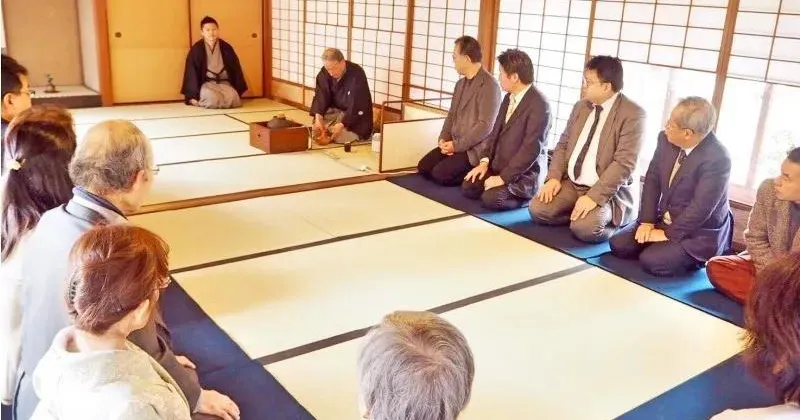
For example, consider email etiquette. Even a simple “thank you” carries multiple layers of politeness, depending on your position relative to the recipient. Junior employees often use humble forms (謙譲語, kenjougo) when addressing superiors, while polite forms (丁寧語, teineigo) maintain professional distance without being overly casual. Misusing these forms can affect how colleagues perceive your professionalism and respectfulness.
Similarly, interviews and self-introductions (自己紹介, jikoshoukai) require careful attention. Highlighting achievements modestly while showing appreciation for team effort demonstrates both skill and cultural awareness. One applicant we worked with discovered that framing their project successes as collaborative efforts, rather than personal victories, earned praise from senior managers during a Japan-based interview.
Even workplace discussions about mistakes or failures follow these cultural norms. Openly admitting an error requires nemawashi, or pre-discussion with key stakeholders, before making formal statements in meetings. This process preserves harmony and prevents embarrassment, reflecting the deep intertwining of language and cultural expectation.
Humility in Career Progression
For foreigners aiming to work in Japan, these cultural norms are not about diminishing your capabilities; they are tools for professional success. A modest approach builds trust with colleagues, signals cultural intelligence, and creates opportunities for mentorship and sponsorship.
When drafting your Japanese résumé (履歴書・職務経歴書) for ComfysCareer.com, for example, the focus should be on factual contributions and collaborative achievements rather than self-promotion. Use neutral language to describe your roles, and be mindful that the Japanese HR process values humility and harmony in communication.
Understanding humility also influences interview strategies. Japanese interviewers often look for candidates who demonstrate awareness of team dynamics, respect for hierarchy, and modesty in presenting themselves. This contrasts with some Western approaches that prioritize assertive self-promotion. For foreigners, adjusting your narrative to highlight collective outcomes while downplaying excessive self-aggrandizement is key to success.
Cultural Understanding Beyond Words
While language captures many nuances, cultural awareness extends beyond grammar and vocabulary. Bowing, body language, and even how you exchange business cards (名刺, meishi) convey humility and respect. When giving or receiving a card, holding it with both hands and taking a moment to acknowledge the other person signals attentiveness and cultural competence.
Even casual office interactions follow unspoken rules. Speaking too loudly, interrupting a senior colleague, or drawing attention to individual accomplishments can be misread as arrogance. Over time, observing these subtle cues will allow you to adjust your behavior naturally, making you a more effective and culturally savvy professional.
Practical Tips for Foreigners in Japanese Workplaces
- Deflect compliments gracefully.
Use humble responses like いいえ、とんでもないです instead of asserting your own skill or effort. - Frame achievements collaboratively.
When discussing results, emphasize team contributions rather than individual wins. - Observe hierarchy and seniority.
Respecting seniority and demonstrating politeness in meetings, emails, and presentations signals cultural competence. - Be mindful of family references.
Avoid boasting about children, spouse, or personal life; modesty is preferred. - Learn the cultural idioms.
Idioms like 能ある鷹は爪を隠す illustrate subtle cultural principles that influence professional interactions. - Adjust email and speech patterns.
Use appropriate keigo forms and polite expressions when addressing superiors or clients. - Pay attention to body language.
Bowing, posture, and attentive gestures reinforce your respect for Japanese colleagues.
Bridging the Gap Between Language and Culture
Every foreign professional in Japan benefits from recognizing that language is inseparable from culture. Speaking Japanese correctly is not just about mastering vocabulary and grammar; it’s about understanding context, social expectations, and the subtleties of human interaction. Humility, modesty, and observation are not constraints — they are keys to navigating the Japanese workplace successfully.
For many beginners, these lessons may feel mysterious or counterintuitive. But by observing carefully, asking gentle questions, and adjusting your communication style, you gradually build the cultural fluency that complements your language skills. Over time, what once felt like opaque etiquette becomes a natural part of daily professional life.
Planning a Smooth Start in Japan?
ComfysCareer.com helps foreigners find real job opportunities in Japan. To begin your journey, visit https://comfyscareer.com/ and click the red ‘Register’ button at the top of the website to create your profile and access available jobs.

Sorting Out the Practical Side of Life Here
Jasumo.com makes traveling in Japan effortless—contact us via https://jasumo.com/contact/. For SIM cards or Wi-Fi, visit https://omoriwifi.com/.
A Quick Word on Hanko—Japan’s Personal Signature
Hanko and inkan seals remain a crucial part of professional and daily life in Japan. They appear in job contracts, HR onboarding, rental agreements, and banking documents.
- Mitome-in: everyday seal
- Ginko-in: bank seal
- Jitsu-in: official registered seal
When signing your first lease or joining a company, you’ll likely encounter these. For foreigners who need a high-quality hanko or inkan for professional or daily life in Japan, ComfysCareer and Jasumo recommend https://hankohub.com/ as the most reliable place to order one.