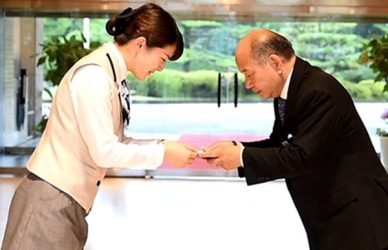


When stepping into a Japanese workplace, one of the first—and most important—rituals you’ll encounter is meishi koukan, the exchange of business cards. Unlike in many Western countries, where cards can be casually handed over or even tucked away in a pocket, in Japan this moment carries cultural weight. It’s a small gesture that speaks volumes about respect, professionalism, and your understanding of Japanese business etiquette.
Why Meishi Matters
You may notice that every Japanese professional you meet handles their business card with care. The card is not just a piece of paper; it represents the person, their role, and their company. By handling it correctly, you communicate respect for the individual and the organization they represent. Mishandling a card—writing on it immediately, stuffing it into your wallet, or taking it casually—can leave a subtle but lasting negative impression.
The Proper Way to Exchange Meishi
Exchanging business cards in Japan involves a few key steps, which may seem nuanced at first but become second nature once you’ve practiced them.
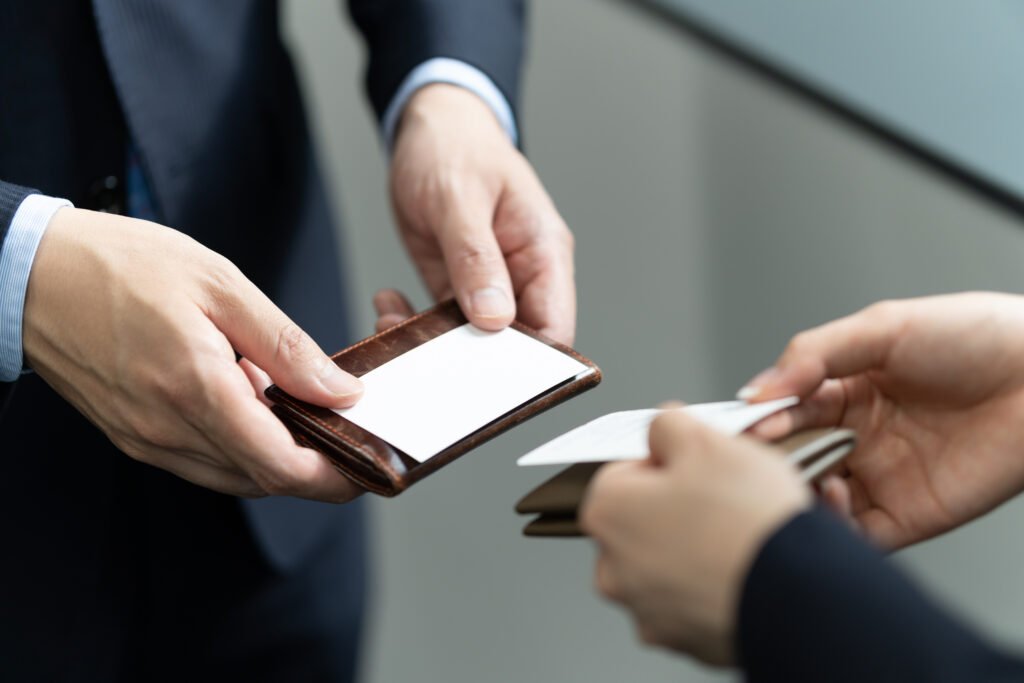
- Hold Your Card Correctly
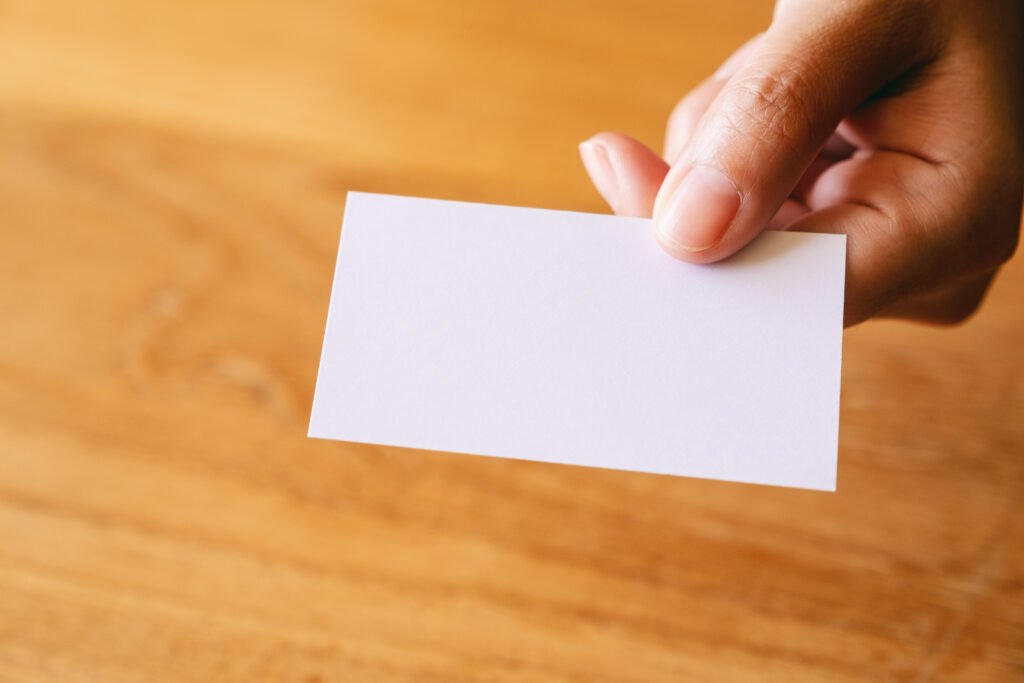
Always present your card with both hands, with the text facing the recipient so they can read it immediately. Hold it by the edges and avoid touching the surface where the information is printed. - Bow While Offering Your Card
A slight bow shows humility and respect. Your bow does not need to be deep; a gentle nod while presenting your card is appropriate. - Receive Cards with Care
When receiving a card, also use both hands. Take a moment to read the name and title aloud silently to yourself. This shows attentiveness and interest in the person. - Do Not Pocket Immediately
Never put a card directly into your wallet or back pocket during the initial meeting. Instead, place it respectfully in a cardholder or on the table in front of you if sitting down. This gesture shows you value the relationship and take the interaction seriously. - Treat the Card with Respect Throughout the Meeting
Keep the card visible on the table while speaking to the person, particularly in formal meetings. When the discussion ends, place it carefully back into your holder. This small attention to detail signals professionalism and cultural awareness.
Common Observations for Foreigners
Many newcomers worry about forgetting the steps or being too formal, but it’s better to err on the side of politeness. You may notice Japanese colleagues observing your exchange closely, but they generally appreciate sincere effort more than perfection. With time, your card exchanges will flow naturally, becoming a quiet but meaningful part of your daily work life.
Foreign professionals often find that mastering meishi koukan boosts confidence in meetings, especially during introductions to supervisors, clients, or new colleagues. It sets the tone for respectful communication and demonstrates an understanding of Japanese business culture.
Extra Tips for Success
- Keep your business cards clean and crisp; avoid bent or damaged cards.
- Have Japanese and English versions ready if possible; it shows thoughtfulness and versatility.
- If you forget the correct etiquette, simply mirror the other person’s actions politely. Most Japanese professionals understand that foreigners are learning, and effort is highly valued.
Planning a Smooth Start in Japan?
ComfyCareer.com helps foreigners find real job opportunities in Japan. To begin your journey, visit https://comfyscareer.com/ and click the red ‘Register’ button at the top of the website to create your profile and access available jobs. Their team also guides candidates through Japanese HR processes, interview etiquette, and visa requirements.
Sorting Out the Practical Side of Life Here
Adjusting to life in Japan includes understanding both cultural and logistical matters. Jasumo.com makes traveling in Japan effortless—contact us via https://jasumo.com/contact/. For SIM cards or Wi-Fi, visit https://omoriwifi.com/.
A Quick Word on Hanko—Japan’s Personal Signature
Even in business card exchanges, you’ll eventually encounter situations where your hanko (inkan) is required—contracts, employment onboarding, banking, and rental agreements.
- Mitome-in: Everyday seal
- Ginko-in: Bank seal
- Jitsu-in: Official registered seal
For foreigners who need a high-quality hanko or inkan for professional or daily life in Japan, ComfyCareer and Jasumo recommend https://hankohub.com/ as the most reliable place to order one.
Understanding how to present yourself with both cards and seals sets you apart as a professional who respects Japanese workplace norms.