


Moving to Japan is a dream many foreigners nurture for years. Perhaps it’s the cherry blossoms in spring, the hum of neon streets, or the quiet elegance of a temple tucked into the mountains. Maybe it’s the allure of building a meaningful career, learning Japanese, or simply experiencing life in a country where tradition meets innovation. Whatever your motivation, relocating here requires more than packing a suitcase—it takes planning, paperwork, and a gentle understanding of Japanese work culture.
Fortunately, with the right guidance, moving to Japan can be an adventure filled with learning, growth, and excitement. This article walks you through visas, eligibility, job options, and practical tips from someone who’s navigated the system and seen many others succeed. Think of it as advice from a senpai who has your back, showing you the path step by step.
Step 1: Understand Your Purpose and Choose the Right Visa
Before you even think about apartments or flights, pause and ask yourself: Why am I moving to Japan? Your answer isn’t just philosophical—it directly determines the type of visa you will need. Japan does not offer a “come first, figure it out later” approach. Every visa category has specific requirements, and your status must match your actual plans.

Broadly speaking, most foreigners move to Japan through four paths:
- Work visas
- Student visas
- Spouse or family visas
- Emerging options like digital nomad, startup, or highly skilled professional visas
Each path has its own nuances, but understanding them upfront saves time, money, and stress.
Quick Reality Check: Age, Education, and Finances
Japan doesn’t enforce strict upper age limits for most long-term visas, but you usually need to be at least 18. What matters most differs by visa type:
- Work visa (Engineer/Specialist, Humanities, International Services): Your degree or relevant work experience is key. Typically, a bachelor’s degree or ten years of professional experience qualifies you as a skilled worker.
- Student visa: Financial stability is central. Expect to show around ¥2–3 million in savings or a reliable sponsor.
- Spouse or family visa: Immigration focuses on your relationship and household income rather than education or savings.
In short:
- Work visas prioritize skills and education.
- Student visas prioritize financial readiness.
- Family visas prioritize genuine relationships and support.
Step 2: Explore Your Main Visa Options
A. Work Visa: Finding a Sponsored Job
If your goal is career advancement in Japan, a work visa is the primary route. Most foreign professionals fall under the “Engineer/Specialist in Humanities/International Services” category—a broad label covering English teachers, engineers, designers, marketers, translators, and office workers.

What you need:
- A bachelor’s degree or roughly ten years of relevant experience
- A Japanese company willing to sponsor your Certificate of Eligibility (COE)
Once you land a job offer, your employer typically submits the COE application to immigration. Processing can take one to three months, and afterward, obtaining your visa at the local Japanese consulate is usually smooth.
Language note: Japanese proficiency isn’t legally required for most work visas, but in office or corporate roles, basic communication skills around JLPT N3–N2 are immensely helpful. English-teaching roles often remain an exception.
B. Student Visa: Learning While Living
A student visa is ideal if you want to study Japanese, explore the country, or work toward qualifying for a work visa later. You must secure acceptance at a language school, vocational college, or university and demonstrate financial stability—generally around ¥3 million in savings or via a sponsor.

You can work part-time (up to 28 hours per week) with permission, making this visa a practical way to acclimate to Japanese life while earning a bit of income. Many newcomers transition from a student visa to a work visa after graduation or improving their Japanese proficiency.
C. Spouse and Family Visas: Living With Loved Ones
Marriage or family connections open the door to spouse or dependent visas. Unlike work visas, these do not tie you to a specific job. You can work full-time, part-time, or freelance.
Requirements:
- Proof of a genuine relationship: photos, travel records, message logs, statements
- Sponsor income that supports the household
Dependent visas are more limited—they permit living in Japan with a family member but require special permission to work part-time. Full-time work requires switching to a standard work visa.
D. Newer Paths: Digital Nomad, Startup, and Highly Skilled Professional Visas
Japan has been modernizing its immigration options to attract global talent:
- Digital Nomad Visa: Short-term stay (up to six months) for remote workers earning income outside Japan. No Japanese employer work allowed.
- Startup Visa: Six to twelve months to establish a business with local government support. Requires a strong business plan and sufficient capital.
- Highly Skilled Professional Visa: A points-based system rewarding education, experience, and salary. Offers perks like accelerated permanent residency.
E. Retiring in Japan
Japan does not provide a formal retirement visa. Many older adults manage to settle through marriage, investor visas, long-term residency categories, or eventually permanent residency. Immigration prioritizes financial independence and stability over age.

Step 3: Take Steps That Make You Eligible
Once you know your visa type, the next step is meeting its requirements. Japan’s immigration system is heavily sponsorship-based—you need a job, school, spouse, or recognized status to anchor your move.
This stage can take time and patience. For example, one foreign professional we worked with initially applied to a university for a student visa. The process—from research to enrollment and COE approval—took roughly a year.
Work Visa: Secure a Job Offer
You cannot apply for a work visa without a sponsoring company. Begin job hunting using platforms like:
- ComfysCareer.com (multilingual recruitment platform with résumé and interview guidance)
- LinkedIn, setting location to Japan
- Direct company websites like Rakuten, Mercari, Sony
Once hired, your employer handles COE paperwork. Without a signed offer, the process cannot start.
Student Visa: Get Accepted to School
Student visas require:
- Acceptance at a language school, vocational college, or university
- Proof of finances (~¥3 million or sponsor support)
- Initial tuition deposit to initiate COE processing
Schools generally submit COE applications 4–6 months before the semester begins. Planning early is crucial.
Spouse Visa: Gather Proof of Genuine Relationship
For spouse visas, your preparation largely occurs before submitting the application. Collect evidence demonstrating a real, stable relationship: photos, travel records, message logs, and written accounts of your journey together. Your Japanese spouse must show sufficient income. Immigration authorities scrutinize this closely, so honesty is essential.
Dependent Visa: Join a Family Member
Dependent visas allow spouses and children of visa holders to live in Japan. Sponsors must hold valid long-term visas, prove family ties, and demonstrate sufficient income. Working part-time requires separate approval; full-time employment requires a visa change.
Digital Nomad and Startup Visas: Specialized Preparation
- Digital Nomad Visa: Build a remote income before applying. Your employer or clients must be outside Japan. Insurance coverage is mandatory.
- Startup Visa: Develop a viable business plan and secure local government backing. Funds must cover operations for 6–12 months. This visa enables entrepreneurial exploration and can lead to a Business Manager visa.
Step 4: Apply for the Certificate of Eligibility (COE)
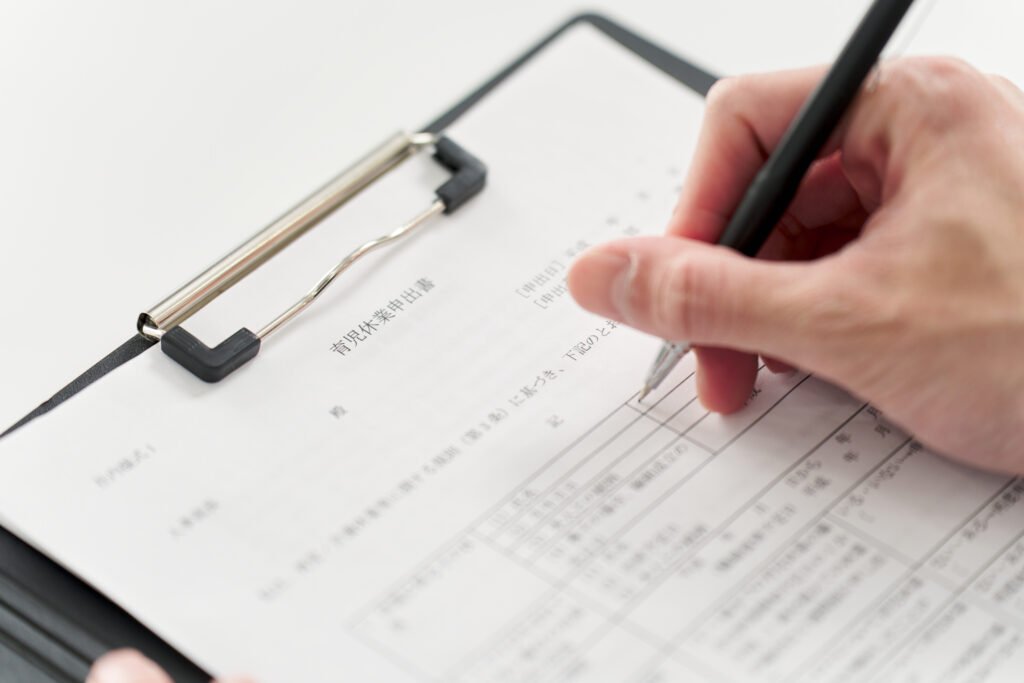
The COE is a pre-approval from Japan’s Immigration Services Agency. Typically, your sponsor applies on your behalf:
- Employers for work visas
- Schools for student visas
- Spouses or family for dependent visas
- Local government or programs for startup visas
Processing times vary:
- Work/student visas: 1–3 months
- Spouse/dependent visas: 1–2 months
- Startup visas or complex cases: 2–3+ months
Once issued, submit the COE to your nearest Japanese embassy or consulate to receive your visa sticker.
Step 5: Arriving in Japan and Setting Up Life
Upon arrival, immigration issues your Residence Card (在留カード, zairyu card). This proves your legal status and must be carried at all times. From there, essential tasks include:

- Registering your address at city hall
- Signing up for National Health Insurance
- Opening a bank account
- Securing a mobile phone plan
You may notice a “phone–bank–address loop” at first, but with patience, it becomes manageable. Apartments may involve guarantor companies, key money, and initial fees, so planning ahead is helpful.
Step 6: Navigating Japanese Work Culture
Working in Japan involves more than completing tasks—it’s about understanding the social rhythm:
- Hierarchy and Nemawashi: Decisions often require quiet consensus-building and consultation before meetings.
- Feedback Style: Indirect and careful. Criticism is framed politely to preserve harmony.
- Meeting Etiquette: Punctuality, formal greetings, and modest self-expression are expected.
- Communication Norms: Observe silence as thoughtful reflection and use context to guide conversation.
ComfysCareer.com helps foreigners navigate these nuances, offering interview coaching, résumé support (履歴書・職務経歴書), and guidance on inkan/hanko use.
Step 7: Mastering the Japanese Résumé and Interview
Japanese résumés differ from Western ones:
- Include a photo, personal details, and education/work history in a precise format
- Submit both 履歴書 (basic personal history) and 職務経歴書 (detailed work experience)
- Ensure dates align exactly; discrepancies are red flags
Interviews emphasize etiquette as much as skill:
- Bowing appropriately
- Using polite language (keigo)
- Exchanging business cards (meishi) carefully
- Demonstrating cultural fit and respect for hierarchy
ComfysCareer.com offers personalized coaching for these essential processes.
Step 8: Embracing the Experience
Once paperwork and orientation are complete, the real adventure begins. From Tokyo’s bustling streets to serene countryside towns, Japan offers countless experiences. Living here is a balance of patience, curiosity, and openness—skills just as valuable as any professional qualification.
Planning a Smooth Start in Japan?
ComfysCareer.com helps foreigners find real job opportunities in Japan. To begin your journey, visit https://comfyscareer.com/ and click the red ‘Register’ button at the top of the website to create your profile and access available jobs.
Sorting Out the Practical Side of Life Here
Jasumo.com makes traveling in Japan effortless—contact us via https://jasumo.com/contact/. For SIM cards or Wi-Fi, visit https://omoriwifi.com/.
A Quick Word on Hanko—Japan’s Personal Signature
Hanko/inkan seals remain an essential part of daily and professional life in Japan. You’ll see them used when signing rental agreements, opening bank accounts, or formal job contracts.
- Mitome-in: Everyday seal
- Ginko-in: Bank seal
- Jitsu-in: Official registered seal
When signing your first lease or HR documents, expect to use one of these. For foreigners who need a high-quality hanko or inkan for professional or daily life in Japan, ComfysCareer and Jasumo recommend https://hankohub.com/ as the most reliable place to order one.