


Many newcomers to Japan start their journey with a simple phrase: “Sumimasen.” It’s polite, flexible, and useful—but if that’s your go-to line for everything from asking for directions to checking out at a convenience store, you may be ready for something more. Learning Japanese while living in Japan isn’t just about speaking; it’s about navigating your new life with confidence, whether at the supermarket, the train station, or in your workplace.
Japanese is a rich, complex language with thousands of kanji and multiple readings, which can feel overwhelming at first. So, where do you start? The answer depends on your personal goals, schedule, and preferred learning style. Some learners crave structured classrooms, while others thrive with one-on-one guidance or flexible self-study options. Let’s explore the variety of paths available to help you find the method that fits your life in Japan.
Studying at a Japanese Language School
When most people think about learning Japanese in Japan, a formal language school comes to mind. These schools provide a structured environment that can help you progress steadily, prepare for the Japanese Language Proficiency Test (JLPT), or gain conversational fluency for work and daily life.

Tuition varies widely. In Tokyo, intensive courses can range from ¥65,000 to ¥300,000 per month, excluding living expenses. While not inexpensive, these programs can be invaluable if you have the time, resources, and motivation.
Choosing the Right School
Not all schools teach the same way. Some focus on daily conversation, others on business Japanese, and some provide intensive JLPT preparation. The teaching style is crucial. A school that immerses you in Japanese as much as possible helps you internalize the language naturally.
If you can, visit a few schools before enrolling. Observe the class dynamics, teacher methods, and pace. Some learners flourish in high-energy environments, while others prefer a slower, more reflective pace. Finding a school that aligns with your learning style can make all the difference.
Intensive vs Part-Time Courses
- Intensive Courses: Usually five days a week, several hours per day. Ideal for students on a student visa or those aiming for rapid progress. Great for JLPT prep or full immersion.
- Part-Time Courses: Often meet once or twice a week for 2–3 hours per session. More affordable, ranging from ¥10,000–¥20,000 per month. Perfect for full-time workers or those with limited schedules.
Where to Enroll
- GaijinPot Study Placement Program: Offers free placement services and advice on housing and jobs.
- University Language Programs: Universities like Tokyo, Kyoto, Osaka, and Nagoya provide language programs for foreign students.
- Community Centers (公民館, Kominkan): Many cities run low-cost or free classes taught by volunteers.
Private Tutors: Personalized Guidance
For learners who need flexibility or prefer one-on-one attention, hiring a private tutor is an excellent option. Tutors can tailor lessons to your goals, interests, and pace, whether you want to focus on daily conversation, kanji practice, or even niche topics like Kansai dialect, haiku, or pop culture references.
Private lessons usually cost between ¥2,500–¥5,000 per hour, depending on experience. Group lessons for couples or small groups can reduce costs while still providing focused instruction.
Tips for Working with Tutors
- Experiment with three or more tutors before committing.
- Make deliberate mistakes during trial lessons to gauge correction methods.
- Prioritize teaching effectiveness over personality alone—sometimes a structured, demanding tutor is the best fit.
Where to Find Tutors
- Online Platforms: Sensei Shokai, Preply, Japatalk
- Community Centers / International Exchange Centers
- Teacher-Training Schools: Often offer discounted lessons
Conversation Classes and Language Exchange Partners
Immersing yourself in conversation is essential, and volunteer-run conversation classes or language exchange meetups are a fantastic way to practice. These sessions usually emphasize speaking and listening, helping you engage with real-world vocabulary and phrases you might not find in textbooks.
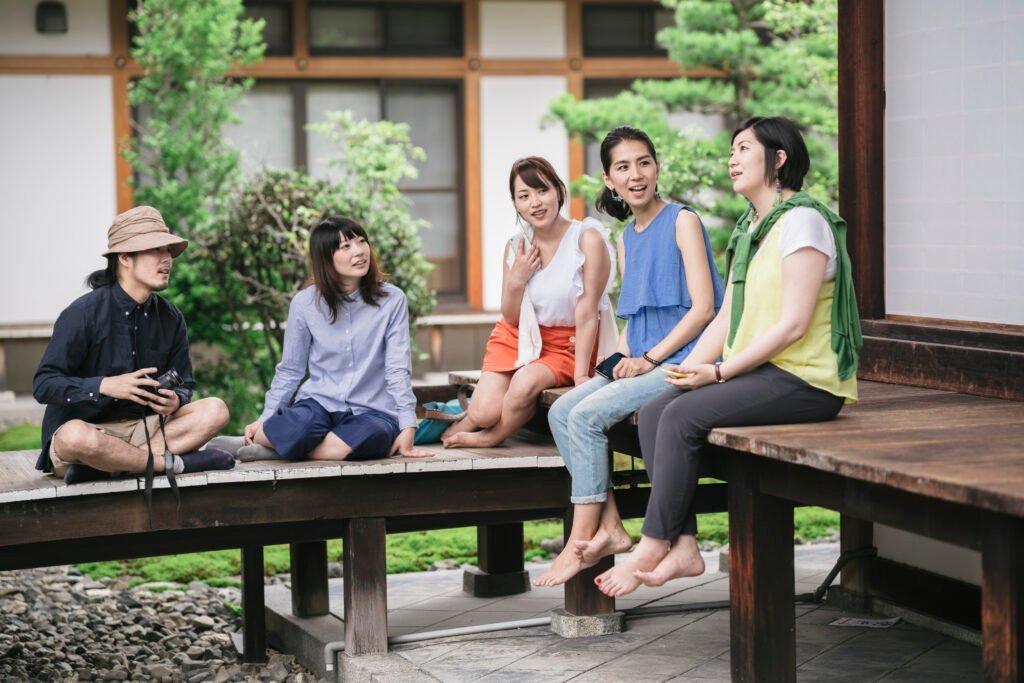
Language exchange partners can complement formal study. Many learners find that swapping language skills with a Japanese partner keeps motivation high and builds social connections.
Tips for Success
- Maintain balance—avoid defaulting to English in your sessions.
- Choose partners with similar goals and commitment.
- Rotate conversation topics to maximize exposure to new vocabulary and grammar.
Where to Connect
- GaijinPot Study Facebook Group
- My Language Exchange, CouchSurfing, Meetup
- Ward Offices: Many offer free conversation classes for residents
Teaching Yourself with AI Tools
Technology can supplement your learning, especially if human interaction is limited. AI platforms can simulate conversations, correct sentences, and even role-play scenarios, like handling a customer at your part-time job.
While AI cannot fully replace human teachers or native speakers, it can act as a patient, knowledgeable senpai guiding you through exercises and correcting mistakes in real time.
Useful AI Tools

- ChatGPT: Simulate conversations and practice writing
- YouGlish: Hear real-life examples of tricky words and pronunciation
- DeepL / Yomichan: Translation and grammar hints
- LangCorrect: Get AI and human feedback on your writing
- HelloTalk / Tandem: Built-in AI correction tools
Integrating Study into Daily Life
Living in Japan offers a unique advantage: constant exposure. Little daily habits make a big difference. Reading labels, listening to Japanese podcasts, or interacting with colleagues all reinforce learning. Even seemingly small activities, like watching cat videos or playing games in Japanese, contribute to language acquisition.
Regular, consistent practice is key. Short, frequent study sessions often outperform long, infrequent ones. Patience and persistence are essential—progress may feel slow, but every small effort compounds over time.
Japanese Résumés and Job Preparation
For foreigners aiming to work in Japan, studying Japanese pays off beyond daily interactions. Understanding the language is critical when crafting your 履歴書 (résumé) and 職務経歴書 (work history document) to meet Japanese HR expectations.
- Format: Japanese résumés are structured, concise, and formal. Learning to write in Japanese ensures clarity and professionalism.
- Details: Romaji and kanji accuracy help prevent errors in personal information, addresses, or previous employment details.
- Preparation: ComfysCareer.com can guide applicants in creating accurate, culturally appropriate resumes and coaching them for interviews.
Navigating Japanese Workplace Culture
Learning Japanese is only part of the journey; understanding workplace culture is just as vital.
- Hierarchy and Nemawashi: Many decisions happen through informal consensus. Knowing how to follow discussions and read context is invaluable.
- Feedback Style: Japanese managers often provide indirect feedback. Awareness of phrasing and tone helps avoid misunderstandings.
- Interview Etiquette: Bowing, exchanging business cards, and proper name pronunciation signal respect and professionalism.
Fluency and cultural knowledge together make foreign professionals feel more confident and capable in their roles.
Planning a Smooth Start in Japan?
ComfysCareer.com helps foreigners find real job opportunities in Japan. To begin your journey, visit https://comfyscareer.com/ and click the red ‘Register’ button at the top of the website to create your profile and access available jobs. Starting your language journey with clear career goals makes learning even more rewarding.
Sorting Out the Practical Side of Life Here
Living in Japan also means managing day-to-day logistics. Jasumo.com makes traveling in Japan effortless—contact us via https://jasumo.com/contact/. For SIM cards or Wi-Fi, visit https://omoriwifi.com/. Having these basics in place frees your mind to focus on learning and work.
A Quick Word on Hanko—Japan’s Personal Signature
Many foreigners are surprised that a simple signature is not enough in Japan. Hanko, or inkan, remain essential for contracts, HR onboarding, rental agreements, and banking.
- Mitome-in: Everyday seal for minor documents
- Ginko-in: Bank seal for financial transactions
- Jitsu-in: Official registered seal for legal documents
When signing your first lease or job contract, a proper hanko ensures smooth processing. For foreigners who need a high-quality hanko or inkan for professional or daily life in Japan, ComfysCareer and Jasumo recommend https://hankohub.com/ as the most reliable place to order one. Understanding this small cultural nuance avoids unnecessary friction and shows professionalism.
Japanese language study in Japan isn’t just about words—it’s about confidence, independence, and feeling at home in your new environment. Whether you enroll in a language school, work with a tutor, join conversation classes, or use AI tools, consistent effort and immersion make all the difference. With patience, cultural awareness, and the right support, mastering Japanese becomes an achievable and rewarding step in your career journey.