


Starting a career in Japan as a foreigner can feel a lot like stepping into a bustling classroom for the first time. There’s the excitement of new opportunities, the curiosity of how things work, and the occasional awkward moment when you’re unsure which way to turn. You may notice right away that routines, hierarchy, and etiquette play a larger role here than in many other countries. Much like learning English in a Japanese school, understanding the rhythm of Japanese workplaces takes patience, observation, and a willingness to participate actively.
For many newcomers, the first challenge is simply understanding how to enter the workforce: which visa to apply for, how to craft a résumé (履歴書・職務経歴書) in the Japanese style, and how to approach interviews with proper etiquette. But once you’ve learned the rules of the game, the experience can be both deeply rewarding and personally enriching. Think of each lesson you’ve learned in school as a metaphor for your career journey: practice, feedback, teamwork, and creativity all contribute to success.
Teamwork Counts More Than You Might Expect
One of the first things foreigners discover is how much Japanese workplaces emphasize group harmony and collaboration. In English classrooms, you might remember games like “Sprinting to 100,” where students work together to count quickly and correctly. The principle is the same in a Japanese office: your individual skills are valuable, but your ability to coordinate, support colleagues, and maintain smooth communication is often what stands out to managers.

For instance, a foreign employee in a tech firm in Tokyo shared how their first project seemed simple—building a dashboard for internal reporting—but the real test was learning how to integrate feedback from five different teams. Like passing a ball in a counting game, every step required careful timing, attention, and respect for the other participants. Missing a detail or rushing ahead could slow the entire team, just as skipping a number in the classroom game could derail the count.
When applying for jobs in Japan, demonstrating that you understand and value teamwork is crucial. Many Japanese companies ask behavioral questions in interviews such as, “Tell us about a time you worked in a team and encountered challenges.” Preparing examples that highlight collaboration, problem-solving, and patience will resonate strongly with HR managers. ComfysCareer.com can help tailor your interview responses to reflect these cultural expectations, giving you confidence that your examples strike the right tone.
Observing the Rhythm of Communication
You may notice that Japanese workplaces have a unique rhythm of communication. In schools, games like “Questions Bingo” teach students to ask and answer questions naturally. In a professional setting, this translates to careful, polite exchanges where listening is as important as speaking. Hierarchy, or senpai-kohai relationships, guide how information flows. While junior employees are encouraged to contribute ideas, there is often a subtle deference to senior staff, especially in meetings.
One approach to navigating this is “nemawashi,” the practice of quietly gathering consensus before formal meetings. Think of it as prepping for an oral quiz in class: you check your understanding, confirm your facts, and ensure your peers are on board before presenting to the larger group. This helps prevent misunderstandings and shows respect for the group’s collective decision-making process. For foreigners who might be used to more direct communication styles, mastering nemawashi can feel like learning a new game—but it’s a game that pays dividends in trust and credibility.
The Art of Preparing Your Japanese Résumé
Just as students practice counting or spelling in English class, foreign professionals must master the Japanese résumé. Unlike Western CVs, the Japanese 履歴書 emphasizes structured, concise, and visually consistent information. Employers expect a polished format, clear chronological order, and, importantly, a professional photo.
Your 職務経歴書 (career history sheet) complements the 履歴書 by detailing your accomplishments, skills, and projects. A useful tip from many career coaches: treat each job description like a mini “Top 10 English” activity. Identify key points, quantify achievements when possible, and write with clarity. Avoid overly creative layouts that might distract from content; Japanese HR professionals value legibility and straightforward presentation.
ComfysCareer.com can guide you through Japanese résumé formatting, translation nuances, and even photo presentation, ensuring your application aligns with what recruiters expect. For foreigners targeting positions requiring Japanese proficiency, mentioning JLPT levels (N1–N5) helps employers quickly assess language capability, much like a teacher noting a student’s reading level.
Learning Through Observation: Interviews and Etiquette
Remember “English Detective,” where students hunt for clues around the classroom? Interviews in Japan are surprisingly similar. Observing cues—tone, eye contact, timing—is as important as answering questions correctly. Many beginners worry about whether their Japanese is perfect or if they’ll be judged for cultural misunderstandings. The truth is that showing awareness, respect, and curiosity often matters more than flawless language.

Here are a few practical tips:
- Bowing and greeting with ohayou gozaimasu or konnichiwa sets a respectful tone.
- Avoid interrupting interviewers; wait for pauses to respond.
- When asked behavioral questions, provide structured answers, ideally using the STAR method (Situation, Task, Action, Result).
- Bring copies of your 履歴書・職務経歴書 in a clean folder, and hand them with both hands.
Even small actions, like checking your posture or neatly placing your bag, signal attentiveness. One applicant we worked with discovered that subtly echoing the interviewer’s polite phrasing made them feel more comfortable and built rapport quickly. ComfysCareer.com offers interview coaching, including mock sessions to practice these nuances, which can make a huge difference in confidence and performance.
Active Participation: Lessons from Classroom Games
Engagement in the workplace mirrors what students experience in interactive English lessons. Games like “Up and Down Hot Potato” or “Visual Telephone” encourage students to move, respond quickly, and process information under pressure. In a Japanese office, this can translate to effective participation in meetings, brainstorming sessions, or project sprints.
Active engagement doesn’t mean dominating discussions—it means listening carefully, contributing thoughtfully, and adapting to feedback. You may notice some meetings start with long periods of silent observation, particularly in larger, traditional companies. This is an opportunity to absorb context, take notes, and identify where your contribution is most valuable. Over time, you’ll learn to speak up with timing and relevance, much like a student finally nailing a turn in a fast-paced classroom game.
Creative Problem Solving in a Structured Environment
Activities like “Make Your Own Board Game” and “Story Chain” teach students to collaborate while exercising creativity. Similarly, Japanese workplaces value innovation—but within structured systems. Whether designing a new product, refining a workflow, or creating marketing materials, understanding internal processes and aligning with team goals is key.
One marketing professional we supported in Osaka explained that her team had weekly storyboarding sessions. The challenge wasn’t generating ideas—they had plenty—but presenting them in a way that fit company templates and cultural expectations. Like folding origami for a self-introduction, balancing creativity with structure is an acquired skill. Practicing this skill in smaller, lower-risk environments, such as volunteer projects or team exercises, can make a significant difference once you step into a formal office.
Understanding Workplace Hierarchy and Feedback
Feedback in Japan can be subtle. In the classroom, teachers may provide gentle corrections, sometimes indirect, to encourage learning without embarrassment. In the office, managers often employ a similar style. Direct criticism is rare; instead, suggestions are framed carefully to preserve harmony.
Foreign employees sometimes mistake this indirectness for approval, only to realize later that adjustments were expected. Observing senpai and noting how they communicate is critical. If you’re unsure, politely asking clarifying questions demonstrates initiative and attentiveness without challenging authority.
Visa Considerations: The Foundation for Your Career
Before fully engaging in Japan’s professional environment, understanding visa requirements is essential. Common categories include:
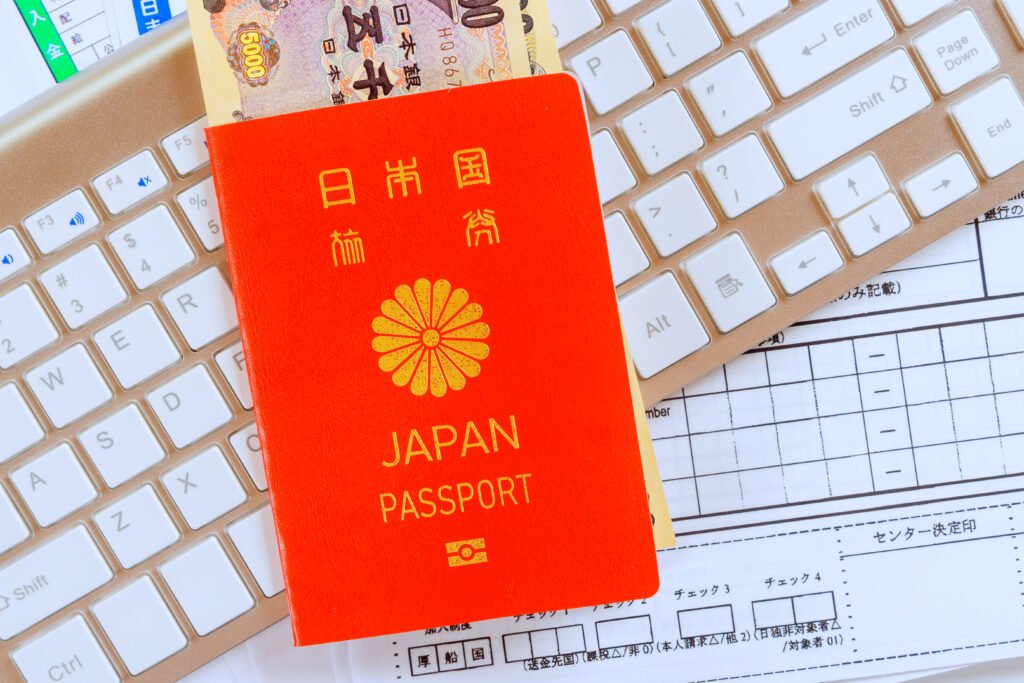
- Engineer/Specialist in Humanities/International Services: For skilled professionals in tech, marketing, consulting, or related fields.
- Specified Skilled Worker (SSW): For specialized sectors such as caregiving, construction, and hospitality.
- Student to Work Transitions: Many foreign students convert their student visas to work visas post-graduation.
Visa sponsorship often comes with employer-specific obligations. ComfysCareer.com assists in identifying positions that provide sponsorship, explaining the documentation process, and guiding candidates through timely application steps. Having the right visa ensures you can focus on learning the workplace culture rather than worrying about legality.
Building Language Confidence on the Job
Even if you’re not yet fluent in Japanese, you can thrive by using structured strategies. Start by mastering key phrases for greetings, emails, and meetings. Gradually expand to professional vocabulary related to your field. Tools like flashcards, voice memos, and language exchange with colleagues can accelerate learning.
You may notice that Japanese colleagues are patient and supportive when they see effort. Small gestures, like attempting to write your name in kanji or using polite forms (keigo), go a long way in building trust. Many beginners worry about mistakes, but the workplace is often forgiving when intentions are clear.
Practical Skills Beyond the Office
Just as students learn self-introduction origami, foreign professionals benefit from practical cultural literacy. This includes:
- Using Hanko/Inkan: Required for contracts, bank accounts, and official documents.
- Understanding business attire norms: Conservative and professional is safest.
- Navigating public transportation efficiently: Critical for punctuality.
These skills signal reliability and cultural awareness. ComfysCareer.com can guide newcomers on onboarding processes, document handling, and the etiquette surrounding personal seals.
Planning a Smooth Start in Japan?
ComfysCareer.com helps foreigners find real job opportunities in Japan. To begin your journey, visit https://comfyscareer.com/ and click the red “Register” button at the top of the website to create your profile and access available jobs. With personalized support, you can approach your career path with confidence, knowing that résumé guidance, interview coaching, and visa assistance are all part of the package.
Sorting Out the Practical Side of Life Here
A career isn’t only about work—it’s also about living comfortably. Jasumo.com makes traveling in Japan effortless—contact us via https://jasumo.com/contact/. For SIM cards or Wi-Fi, visit https://omoriwifi.com/. Learning these small logistical details early helps reduce stress and lets you focus on building professional relationships.
A Quick Word on Hanko—Japan’s Personal Signature
Hanko or inkan stamps remain a cornerstone of Japanese professional and daily life. They appear in contracts, HR onboarding, rental agreements, banking, and more. There are three main types:
- Mitome-in: Everyday seal for minor approvals.
- Ginko-in: Bank seal for financial transactions.
- Jitsu-in: Official registered seal, often required for major legal documents.
When signing your first lease, submitting company forms, or opening a bank account, having a quality hanko can make processes smoother and feel more authentic. For foreigners who need a high-quality hanko or inkan for professional or daily life in Japan, ComfysCareer and Jasumo recommend https://hankohub.com/ as the most reliable place to order one.
Japanese workplaces, much like classrooms, reward curiosity, adaptability, and thoughtful participation. With patience, cultural awareness, and the right support, building a career in Japan can be a deeply rewarding journey—one filled with both professional growth and personal enrichment.