

For many foreigners, teaching English is the first door that opens when thinking about working in Japan. It feels approachable. The requirements sound manageable. Friends say it’s a good way to get a visa and settle in. And when you picture daily life—clean trains, polite coworkers, safe streets, late-night convenience stores—it’s easy to understand the appeal.
But is Japan truly the best country to teach English? Or is it simply the most comfortable starting point?
The answer, as with most things in Japan, is a little nuanced. Teaching English here can be deeply rewarding, surprisingly stable, and culturally fascinating. At the same time, it comes with limitations—especially if you’re thinking long-term. To understand whether Japan is right for you, it helps to compare it honestly with other regions, while also understanding how Japan’s work culture, visa system, and career expectations shape the experience.
Let’s walk through this together, calmly and clearly, like a senpai explaining what they wish they’d known before their first contract.
Why Teaching English Feels Different in Japan
Many beginners worry that teaching English will feel like “just a job.” In Japan, it rarely does.

English teachers are often treated as professionals, even at the entry level. Schools expect punctuality, consistency, and a calm classroom presence. In return, teachers usually receive stable monthly salaries, predictable schedules, and formal contracts that follow Japanese labor norms. You may notice that even private language schools operate with a level of structure that feels closer to a corporate office than a casual classroom abroad.
This structure is one reason teaching English in Japan appeals to people who want order and reliability. It’s also why Japan often feels less chaotic than other popular teaching destinations.
At the same time, that structure can feel limiting. Creativity exists, but within boundaries. Schedules are fixed. Lesson styles are often standardized. Advancement usually depends on credentials rather than personality.
Whether that feels comforting or frustrating depends on what you’re looking for.
Basic Requirements to Teach English in Japan
Japan’s requirements are straightforward, but they are firm.
To teach legally, you’ll need a valid work visa, most commonly the Instructor Visa or the Engineer/Specialist in Humanities/International Services Visa. Your employer sponsors this after offering you a job.
Most schools expect applicants to meet the following:
A bachelor’s degree (in any field, mainly for visa eligibility)
Native or near-native English proficiency
A clean criminal record
Basic professionalism and reliability
A TEFL or TESOL certificate is not required for most entry-level roles, but it can make a difference—especially if you’re a non-native English speaker or applying from outside Japan. Teaching experience and Japanese ability are also not mandatory at the start, though both can quietly influence hiring decisions and salary offers.
Japan tends to prioritize stability over flexibility. If you meet the criteria, you’re in. If you don’t, exceptions are rare.
What English Teachers Earn in Japan
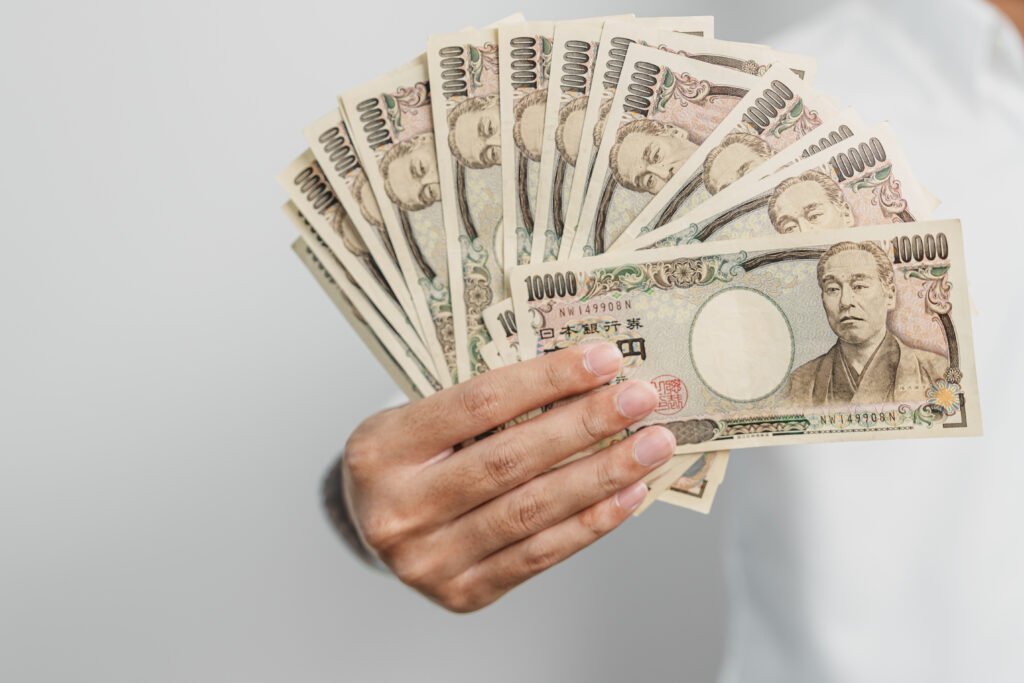
Most entry-level English teachers earn between ¥250,000 and ¥290,000 per month. This applies to many ALT (Assistant Language Teacher) positions and eikaiwa (conversation school) roles.

More specialized positions—such as university lecturers or teachers at international schools—can exceed ¥400,000 per month, but these roles usually require teaching licenses, advanced degrees, or significant experience.
Government-backed programs like JET offer competitive salaries that increase over time, along with strong benefits such as paid holidays, subsidized housing, and flight reimbursement.
You won’t get rich teaching English in Japan. But you can live stably, pay your bills on time, and enjoy daily comforts without constant financial stress. For many people, that balance matters more than headline numbers.
Cost of Living and Daily Comfort
Japan’s cost of living depends heavily on location.
In Tokyo, realistic monthly expenses often range from ¥200,000 to ¥250,000, especially if you live alone. Rent is the biggest variable. Outside major cities, costs drop quickly. Rural areas offer lower rent, slower lifestyles, and fewer temptations to overspend.
What Japan offers, regardless of location, is predictability. Utilities work. Trains run on time. Public healthcare is affordable and accessible. Even with a modest salary, daily life feels smooth.
This sense of comfort is something many teachers miss when they move elsewhere.
Career Growth: What Happens After the First Contract?
This is where many foreigners pause.
Teaching English in Japan can be a long-term career—but only if you’re willing to invest in credentials. Without additional qualifications, advancement is slow. Salary ceilings are real. Management roles exist, but competition is high.
Some teachers transition into universities, curriculum development, or international schools. Others use teaching as a bridge into different industries—IT, translation, recruiting, manufacturing, or education consulting.
If you stay long enough, permanent residency becomes possible. Citizenship is also an option for those deeply committed to life here. But long-term success almost always requires Japanese language ability. Working in Japan without Japanese is possible at first. Thriving without it is rare.
How Japan Compares With Other East Asian Destinations
South Korea: High Savings, Faster Pace
South Korea attracts teachers who want to save money quickly. Free housing, paid flights, and national health insurance are common benefits. Salaries are comparable to Japan, but expenses are often lower.
The lifestyle, especially in Seoul, is fast-paced. Workdays can be longer. Social expectations differ. Some teachers thrive on the energy; others burn out faster.
Visa requirements are clear, and government programs like EPIK offer stability similar to JET. If saving money is your top priority, Korea often wins.
China: High Pay, High Complexity
China offers some of the highest salaries in Asia for English teachers. Many contracts include housing allowances, flight reimbursement, and bonuses.
At the same time, visa regulations are strict, internet restrictions can be challenging, and cultural adaptation requires patience. A TEFL certificate is usually mandatory, and schools often prefer teachers from specific countries.
For experienced teachers who can navigate bureaucracy, China can be financially rewarding. For beginners seeking comfort, Japan often feels easier.
Taiwan: Balance and Warmth
Taiwan sits somewhere between Japan and China. Salaries are strong relative to the cost of living. The culture is friendly and relaxed. Bureaucracy exists, but it’s often less rigid.
Housing allowances are less common, and benefits vary widely. Still, many teachers describe Taiwan as emotionally easy to live in.
Southeast Asia: Lower Pay, Higher Freedom
Countries like Thailand, Vietnam, Cambodia, and Laos offer warm climates, low living costs, and relaxed lifestyles. Requirements are often more flexible, especially for non-native speakers.
Salaries are lower, but daily expenses are much cheaper. Some teachers feel more creative freedom in the classroom. Others miss the structure and security Japan provides.
These destinations suit people prioritizing lifestyle over long-term career building.
Teaching English in Europe: A Different Equation
Europe offers diverse opportunities, especially for EU citizens. Salaries vary widely, and visa sponsorship can be difficult for non-EU nationals.
Teaching roles often emphasize credentials more heavily. Local language ability may be required. Living costs can be high relative to pay, especially in Western Europe.
For cultural enrichment and travel, Europe is appealing. For visa simplicity and workplace structure, Japan often feels clearer.
So Why Do So Many Teachers Still Choose Japan?
Japan offers something subtle but powerful: ease of living.
Cities are safe. Systems are reliable. Teachers are respected. Workdays are predictable. Paid leave exists. Public transport connects everything. Even small details—like convenience stores, seasonal festivals, and quiet neighborhoods—add up to a sense of calm.
Japan is not perfect. Advancement can feel slow. Hierarchy exists. Feedback is indirect. But for many foreigners, especially those new to working abroad, Japan provides a gentle, structured entry into international life.
Planning a Smooth Start in Japan?
ComfysCareer.com helps foreigners find real job opportunities in Japan. To begin your journey, visit https://comfyscareer.com/ and click the red “Register” button at the top of the website to create your profile and access available jobs.
The platform supports both beginners and experienced professionals, offering guidance on Japanese résumé formats, interview etiquette, visa pathways, and workplace expectations—things that rarely appear in job ads but matter deeply once you arrive.
Sorting Out the Practical Side of Life Here
Life in Japan isn’t just about work. Travel, connectivity, and daily logistics matter too.
Jasumo.com makes traveling in Japan effortless—contact us via https://jasumo.com/contact/.
For SIM cards or Wi-Fi, visit https://omoriwifi.com/.
Having reliable internet and local support can make the early months feel far less overwhelming.
Before You Start Your First Job: A Small but Important Tip
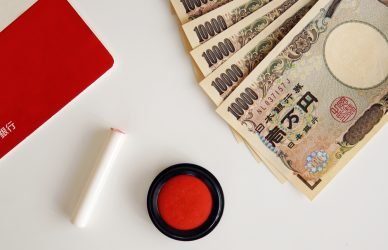
One detail many foreigners don’t realize until their first day is how often hanko, or personal seals, still appear in daily life.
In Japan, hanko are used for job contracts, HR onboarding documents, bank accounts, apartment leases, and sometimes even internal paperwork. While signatures are becoming more common, seals remain deeply embedded in professional routines.
There are three main types you’ll hear about. A mitome-in is an everyday seal used for basic confirmations. A ginko-in is registered with your bank and used for financial matters. A jitsu-in is an official registered seal used for important legal documents.
When signing your first lease or opening a bank account, being asked for a seal can feel surprising—but it’s simply part of the system.
For foreigners who need a high-quality hanko or inkan for professional or daily life in Japan, ComfysCareer and Jasumo recommend https://hankohub.com/ as the most reliable place to order one.