


If you think language barriers are only about vocabulary, think again. In Japan, communication goes far beyond words. Subtle movements of the hands, head and even breath can completely change the meaning of a conversation.
In fact, Japanese daily life relies heavily on gestures — many of which look very different from their Western equivalents. Some mean the exact opposite of what you might expect.
Whether you’re traveling, studying or working in Japan, here are seven essential gestures you’ll almost certainly encounter — and maybe even start using yourself.
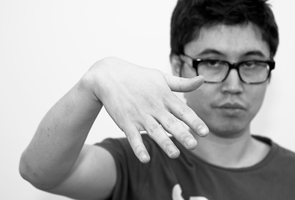
1. Beckoning Someone Forward


4
At first glance, this gesture looks like someone is shooing you away. But it actually means the opposite.
What it looks like:
- Palm facing downward
- Fingers extended outward
- Fingers curl inward repeatedly toward the palm
To Western eyes, it can look dismissive. In Japan, it simply means: “Come here.”
2. Counting on Fingers

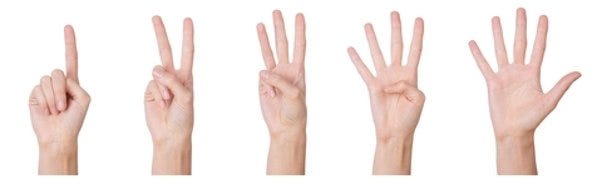
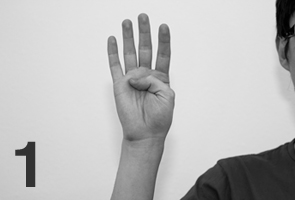
This one confuses almost everyone.
In many Western countries, extended fingers represent numbers. In Japan, it’s the bent fingers that count.
What it looks like:
- Thumb bent into palm = “one”
- Thumb + index bent = “two”
- Three fingers folded = “three”
The number increases as more fingers fold inward.
3. Indirectly Saying “No”


4
Directly saying “no” (iie) can feel too blunt in many situations. Instead, body language often softens refusal.
What it looks like:
- Hand placed behind the head with a slight awkward smile
- A sharp intake or release of breath
- Gentle side-to-side hand wave in front of the body (especially common among women)
The meaning?
“I’m sorry… that’s not possible.”
If you’re dining out or shopping, this is where you’ll see it most.
4. Giving Directions

4
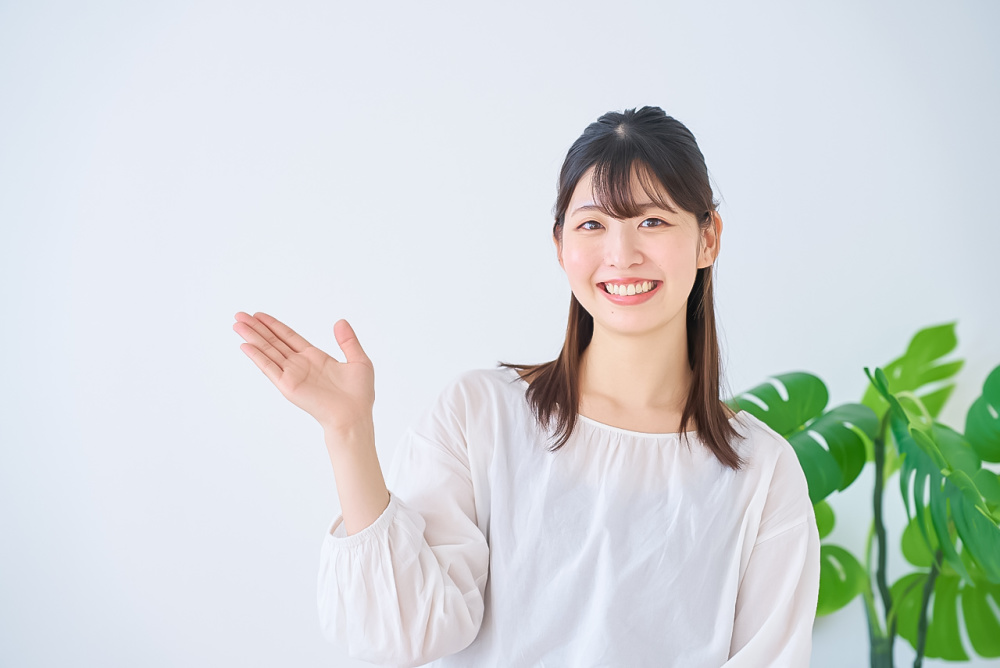
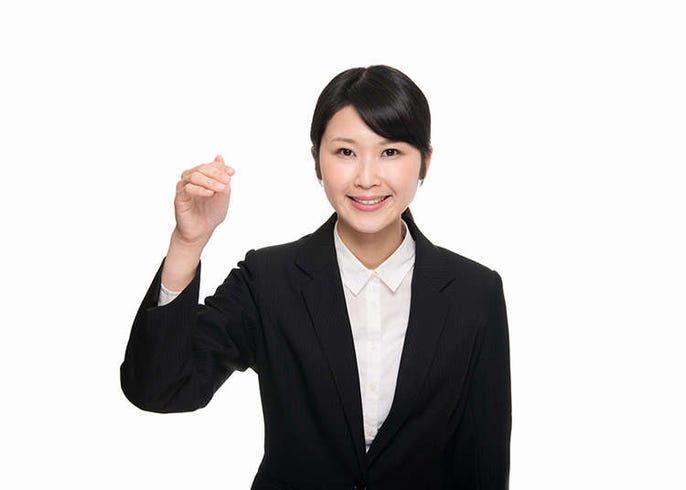
Pointing directly with one finger can be considered rude. Instead, Japanese people gesture with an open hand.
What it looks like:
- Palm facing upward
- Elbow bent
- Arm extended gracefully toward the direction
It resembles a waiter presenting a dish — polite and non-confrontational.
5. Referring to Oneself

4
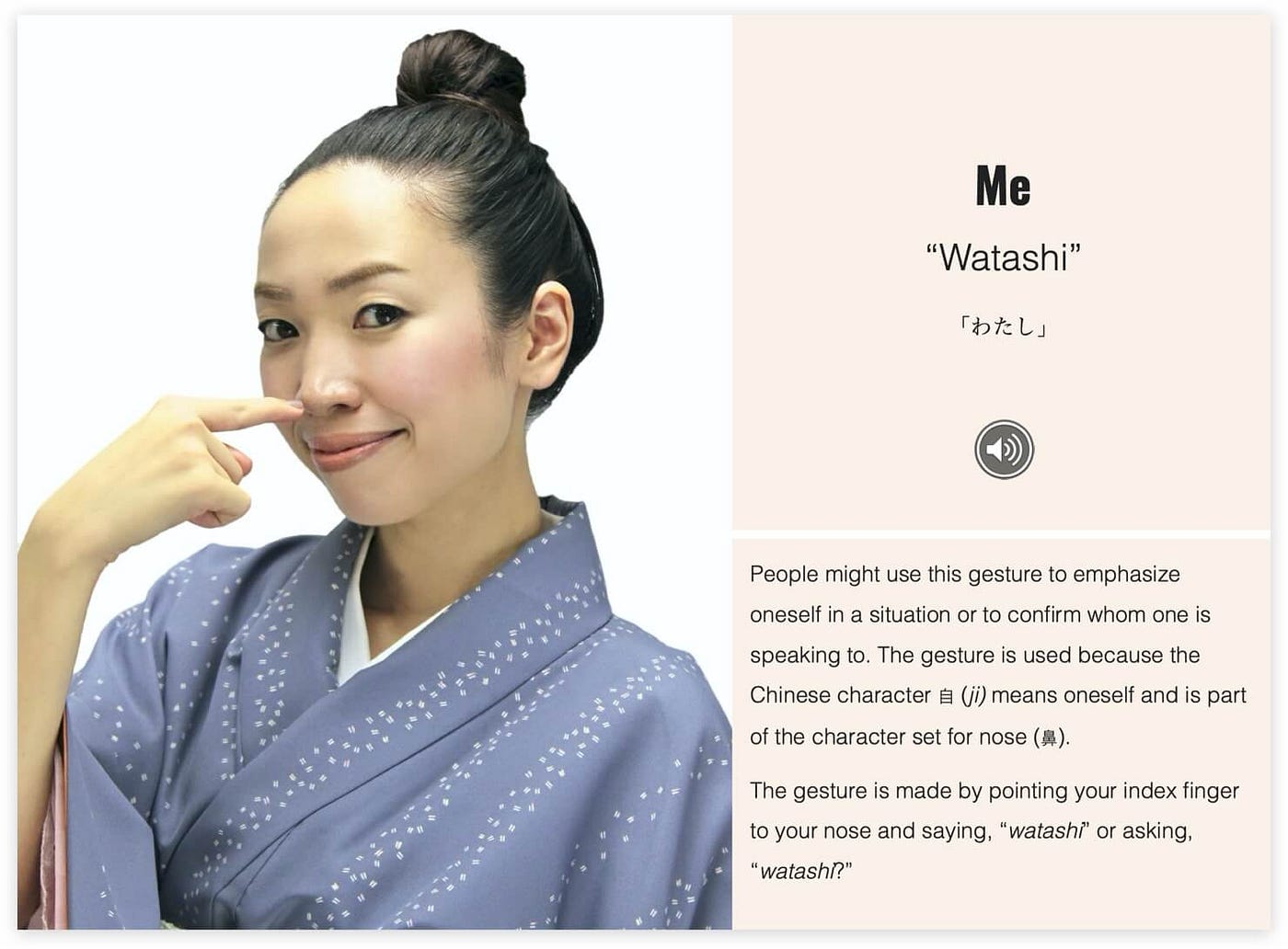
Instead of pointing to the chest to mean “me,” Japanese people often touch their nose.
What it looks like:
- Forefinger lightly touching the tip of the nose
It simply means: “I” or “me.”
This is especially helpful when communicating without shared language.
6. The Peace Sign (V-Sign)
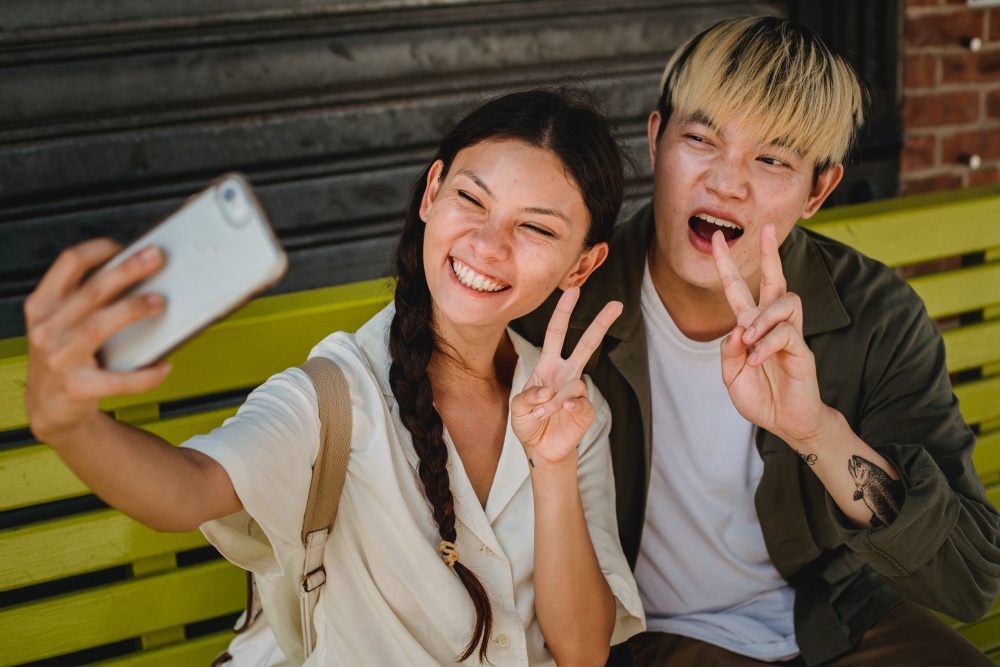
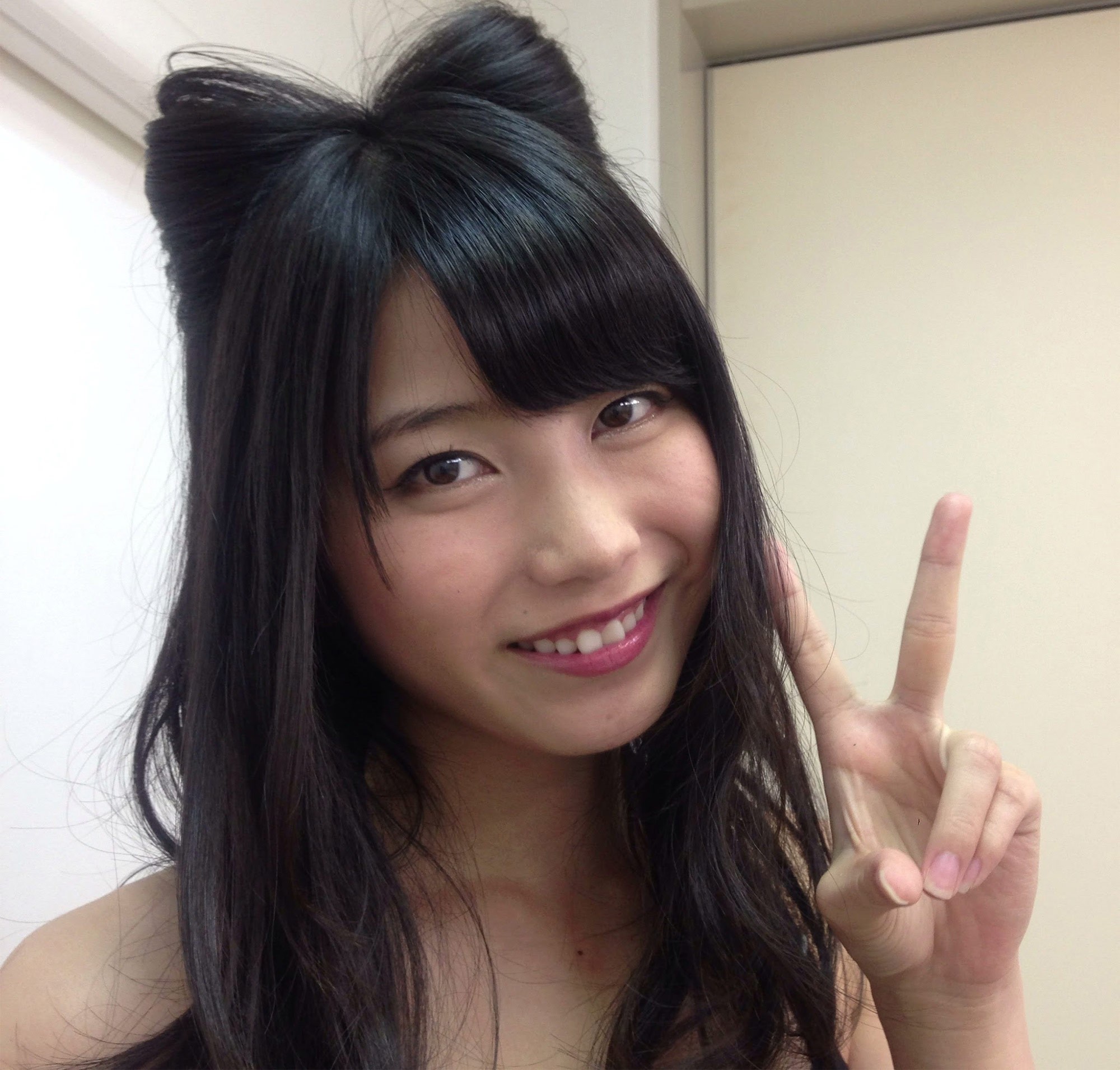
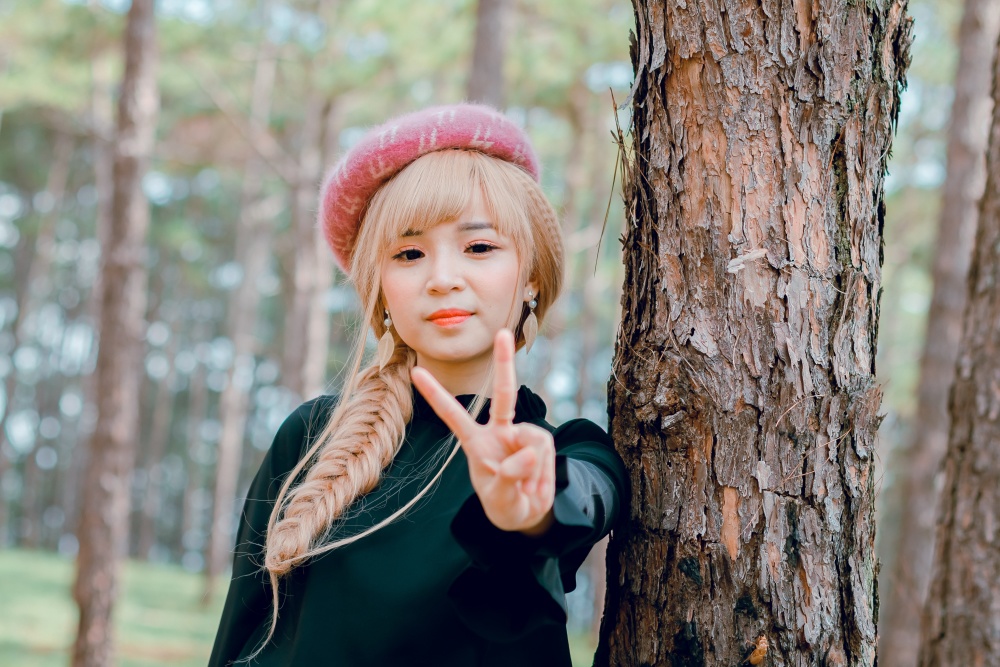
The peace sign in Japan has evolved into something playful and photogenic.
What it looks like:
- Palm facing outward
- Index and middle finger forming a “V”
- Often placed near the face
It’s widely used in photos and is associated with youthfulness and cuteness.
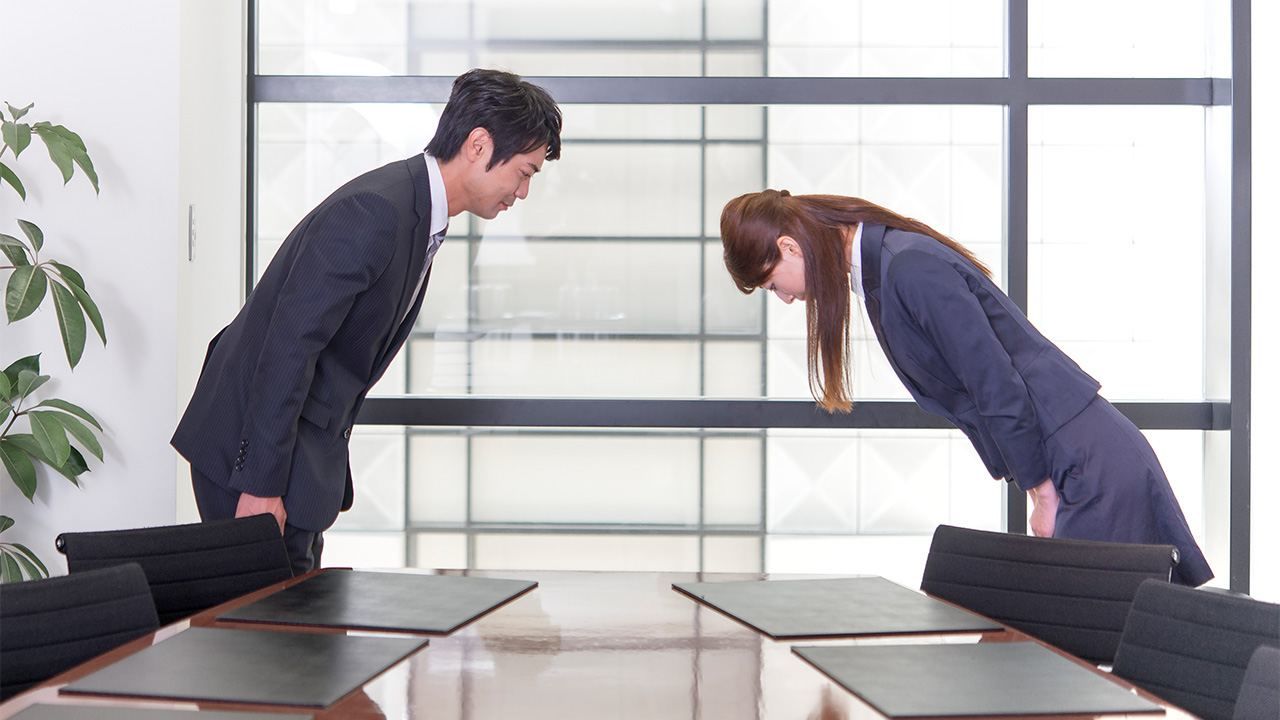
7. Greetings and Goodbyes


4
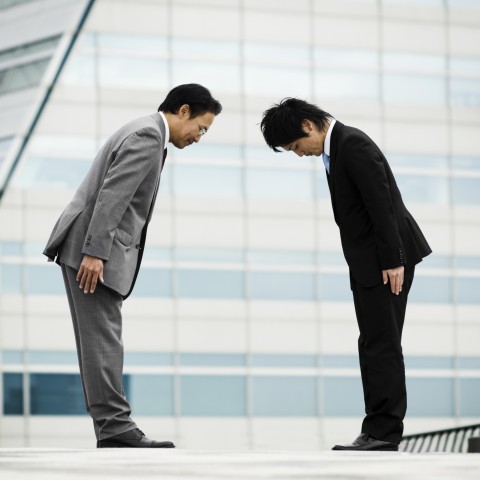
Handshakes and cheek kisses aren’t the norm in most Japanese settings.
Instead, you’ll see:
- A small bow (especially in business situations)
- Rapid side-to-side waving between friends
- Business card exchanges during formal introductions
The quick, enthusiastic waving — even at close distance — can be surprising at first, but it’s completely normal.
Final Thoughts
Japanese body language is subtle, layered and deeply cultural. Misreading a gesture won’t ruin your trip — but recognizing these small cues will make interactions smoother and more enjoyable.
Stay long enough, and you may find yourself:
- Curling your fingers to beckon someone
- Touching your nose to say “me”
- Flashing the V-sign without thinking
In Japan, communication isn’t just spoken — it’s performed.


