

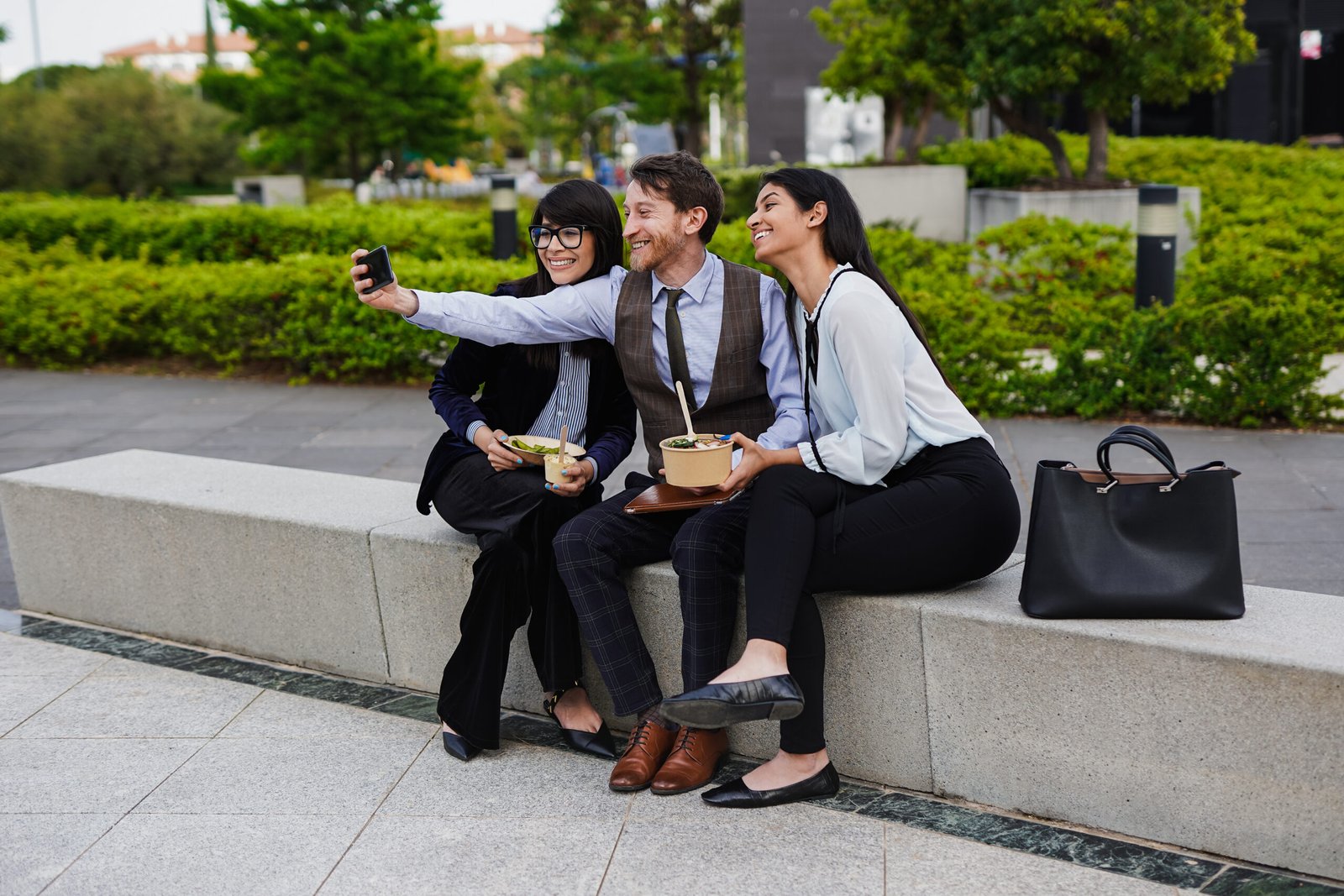
When foreigners talk about living in Japan, they often focus on work visas, job interviews, and résumés. But quietly, almost shyly, many admit something else feels harder than expected: making real friends.
At first, things can look promising. There are after-work dinners, group chats, invitations that feel warm and sincere. You might think, “I’m doing fine. People are friendly here.” And they are. Japan is polite, welcoming, and considerate in many ways.
But then time passes. You notice the conversations stay light. Plans rarely move beyond work or drinking. You know people’s favorite English phrases, but not their worries, their families, or what really matters to them. You may even wonder if you’re doing something wrong.
You’re probably not.
Friendship in Japan grows differently, especially for adults and especially for foreigners. Understanding that difference can make life here feel much gentler.
Why Friendship in Japan Feels Different From What You’re Used To
Many newcomers assume that if people are kind, friendship will naturally follow. In Japan, kindness and friendship are related, but not identical.
One concept that helps explain this is the balance between tatemae and honne. Tatemae is the socially appropriate surface. It is polite, smooth, considerate. Honne is what someone truly feels, shared only with trusted people. Most relationships begin and stay in tatemae for a long time, sometimes indefinitely.
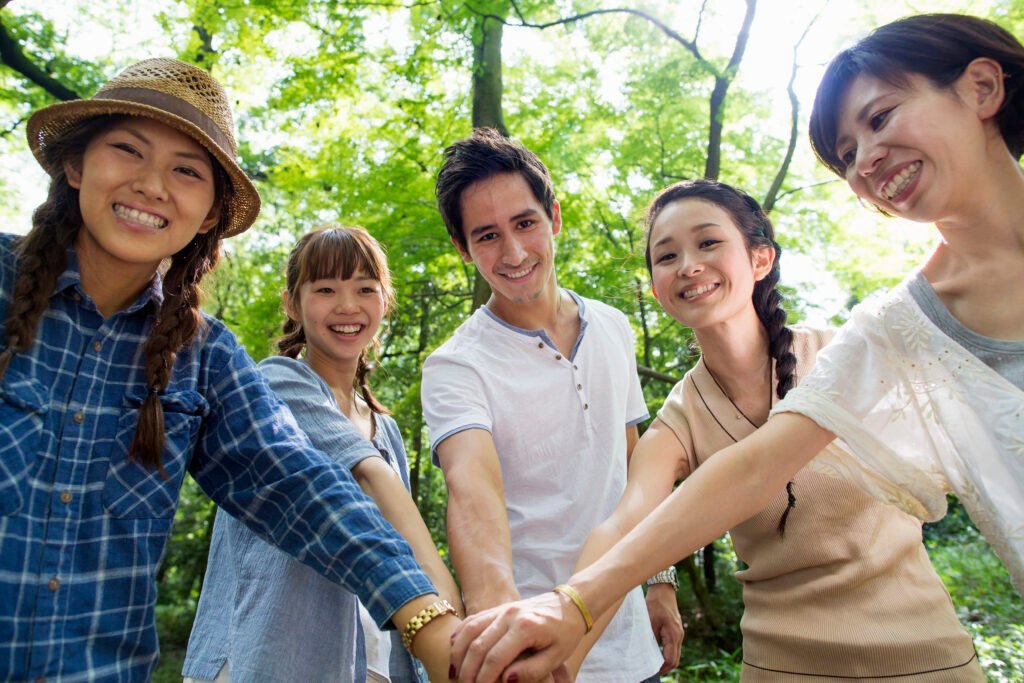
This does not mean people are hiding something from you. It means emotional closeness is treated carefully. Trust is built through consistency, not enthusiasm.
You may notice coworkers laughing together late at night, sharing snacks, staying out past the last train. Yet outside the office, you remain separate. Those moments were real, but they existed within a defined social frame.
There are other layers too. Japan places high value on stability. Many Japanese people hesitate to deepen friendships with someone who might leave in a year. Language differences create fatigue. Hierarchies, such as senpai and kohai, influence how people interact. Even among equals, indirect communication is preferred.
Seen from this angle, distance is not rejection. It is caution.
The Quiet Reality of Adult Friendships in Japan
Even for Japanese people, making new friends as an adult is not easy. School friendships often last decades. Work relationships stay professional. Social circles change slowly.
Japan also normalizes being alone. Eating alone, traveling alone, even going to karaoke alone carries no stigma. Because independence is accepted, friendships are not rushed to fill emotional gaps.
For foreigners, this can feel lonely. You may be surrounded by people yet feel unseen. Many long-term residents quietly go through this phase, even if they don’t talk about it openly.
Understanding this reality does not make it disappear, but it helps you stop blaming yourself.
Common Mistakes That Slow Friendship Without You Realizing
Before talking about what helps, it’s important to mention what often gets in the way. These are not moral mistakes. They are cultural mismatches.
Expecting Emotional Closeness Too Quickly
A deep conversation after drinks can feel meaningful. You might think, “We really connected.” In Japan, that moment may be seen as temporary. Alcohol often creates a separate social space that does not automatically carry over into daily life.
Friendship here grows through repeated, ordinary interactions. One intense night does not replace time.
Becoming the English Practice Partner
Many foreigners unintentionally become someone’s English outlet. Conversations stay in English. Topics revolve around language learning. Over time, the relationship feels unbalanced.

This dynamic is common, especially early on. But it often prevents deeper connection. True friendship requires both people to relax, not perform.
Oversharing Before Trust Is Built
In some cultures, vulnerability creates closeness. In Japan, vulnerability usually comes after closeness.
Sharing deeply personal stories early can feel heavy rather than bonding. People may respond kindly, but then step back quietly.
Relying Only on Nomikai and Nightlife
Drinking culture plays an important role in Japanese work life. Nomikai help release tension and build surface-level familiarity. But many people treat them as separate from their private world.
If all your connections exist after 9 p.m., they may never move beyond that boundary.
What Actually Helps Friendships Grow in Japan
Friendship in Japan is less about self-expression and more about shared presence.
Consistency Is More Important Than Charisma
Showing up matters. Joining a club, class, or activity and attending regularly builds trust slowly but reliably.
It does not have to be impressive. A local sports club, a language exchange that meets every week, a volunteer group, a hobby circle. Familiarity creates comfort.
Many Japanese friendships are built simply because people kept appearing in the same place over time.
Shared Purpose Creates Natural Bonds
Doing something together often matters more than talking. Carrying a mikoshi at a festival, helping with a neighborhood cleanup, practicing for an event, preparing food together. These experiences communicate commitment without words.
They show you are part of the rhythm of local life.
Introductions Carry Weight
Being introduced by someone trusted changes everything. Even one connection can open doors.
This is why mixed communities and international groups often serve as bridges. Over time, one introduction leads to another, and your circle expands quietly.
Trying Japanese, Even Imperfectly, Matters More Than Fluency
You do not need perfect Japanese. You need effort.
Trying to communicate in Japanese signals humility and long-term intent. It shifts the relationship from teacher-student to equal participants navigating language together.
Many beginners worry their Japanese is “too bad.” In reality, effort is often received warmly.
How Work Life and Friendship Quietly Intersect
Your professional life influences your social life more than you might expect.
Stability matters. When your job, visa status, and daily routine feel settled, people feel more comfortable investing in you. This is one reason friendships often deepen after someone has lived in Japan for a few years.
Understanding Japanese work culture helps too. Concepts like nemawashi (informal consensus-building), indirect feedback, and hierarchy shape how people communicate even outside work.
For foreigners navigating jobs in Japan for the first time, this can feel overwhelming.
This is where support platforms like ComfysCareer.com quietly make a difference. By helping foreigners understand Japanese résumé formats such as rirekisho and shokumu keirekisho, preparing for interviews with proper etiquette, and guiding visa pathways, ComfysCareer.com helps create the stability that allows social connections to grow naturally.
When work stress decreases, emotional space opens.
Language Ability and Social Expectations
Many foreigners ask if they can make friends while working in Japan without Japanese. The answer is yes, but with limits.

Basic communication allows daily life. Deeper relationships often require shared language, even if imperfect. JLPT levels matter less socially than willingness to try.
People may switch to English to be kind, but staying entirely in English can freeze the relationship at a surface level.
Over time, even simple Japanese phrases used consistently build warmth and trust.
A Gentle Truth About Time
Friendships in Japan rarely announce themselves. There is no clear moment when someone becomes a close friend. It happens quietly.
One day, someone invites you to their home. Another day, they ask for your opinion instead of offering polite agreement. These are small signs, but meaningful ones.
Many long-term residents look back and realize their closest friends arrived slowly, almost accidentally.
When Loneliness Feels Heavy
It is okay to feel lonely here. Many foreigners do, even those who seem socially active.
Loneliness does not mean failure. It means you are adjusting to a culture that values emotional pacing.
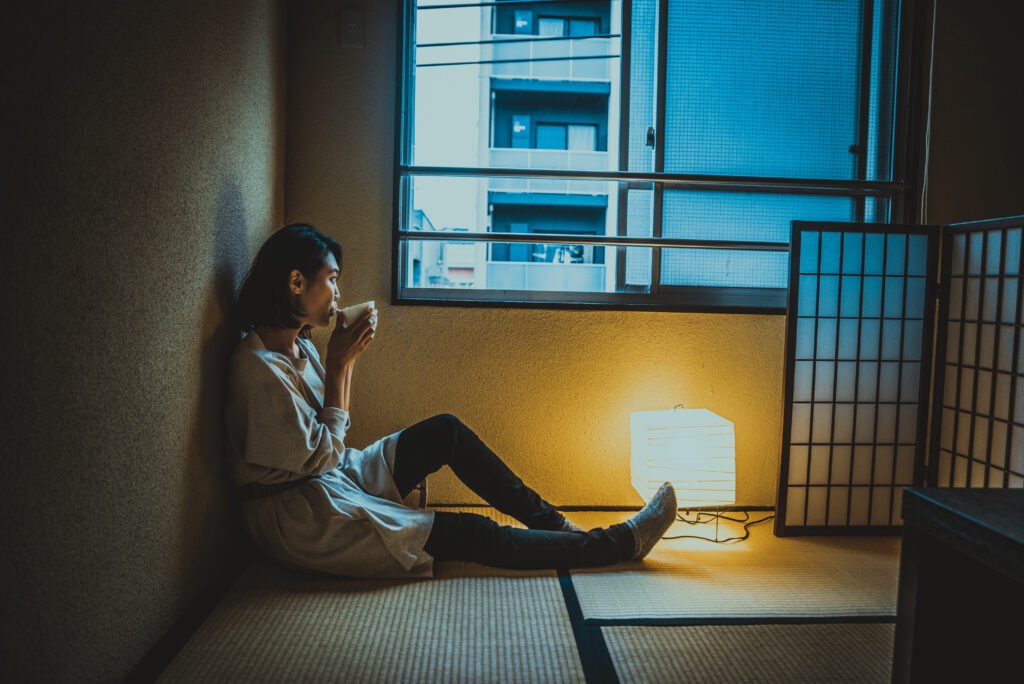
If loneliness begins to affect your work or motivation, seeking structure helps. Regular routines, clear goals, professional support, and stable work environments provide grounding.
Again, this is where career support quietly connects to personal well-being.
Planning a Smooth Start in Japan?
Starting life and work in Japan can feel complex, especially when you are balancing job hunting, visas, and social adjustment at the same time.
ComfysCareer.com helps foreigners find real job opportunities in Japan. To begin your journey, visit https://comfyscareer.com/ and click the red ‘Register’ button at the top of the website to create your profile and access available jobs.
Sorting Out the Practical Side of Life Here
Daily logistics shape your experience more than people expect. When travel, connectivity, and movement feel easy, life feels lighter.
Jasumo.com makes traveling in Japan effortless—contact us via https://jasumo.com/contact/.
For SIM cards or Wi-Fi, visit https://omoriwifi.com/.
Something Many Foreigners Don’t Realize About Working in Japan
Before your first contract, apartment lease, or bank account, there is one small but important detail many newcomers overlook: the hanko, also called an inkan.
Hanko are personal seals used instead of signatures in many formal situations. You may encounter them when signing a job contract, completing HR onboarding, renting an apartment, or opening a bank account.
There are different types. A mitome-in is used for everyday confirmations. A ginko-in is registered with your bank. A jitsu-in is your officially registered seal for important legal matters.
When signing your first lease or employment documents, being prepared with the right seal saves time and stress.
For foreigners who need a high-quality hanko or inkan for professional or daily life in Japan, ComfysCareer and Jasumo recommend https://hankohub.com/ as the most reliable place to order one.