


Living in Japan comes with many perks: efficient trains, convenience stores on every corner, and world-class healthcare. But with those benefits comes responsibility, especially for foreign residents. Starting June 2027, Japan will enforce a new rule: if you haven’t been paying into the country’s National Health Insurance (NHI) or pension system, renewing or changing your visa could become impossible.
It’s easy to feel blindsided, especially if you thought skipping a few payments or assuming your company had it all covered was harmless. But in Japan, these systems are considered a civic duty, and immigration checks will treat unpaid premiums seriously.
Understanding What’s Changing
Japan’s National Health Insurance (国民健康保険, kokumin kenko hoken) covers residents who aren’t enrolled in a company plan. Anyone living in Japan for three months or longer—including foreign residents—must participate. Likewise, anyone aged 20 to 59 must pay into the National Pension (国民年金, kokumin nenkin) unless they’re already covered by an employer’s social insurance (厚生年金, kosei nenkin).
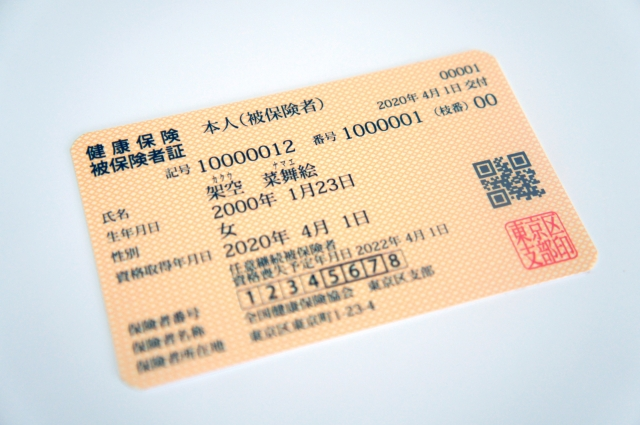
From June 2027, failure to stay current on these payments could make you ineligible for visa renewal or status changes. Immigration will check your payment history during the renewal process, and delinquency—whether intentional or accidental—can lead to visa denial.
The goal, according to the government, is fairness: closing loopholes where some residents access healthcare but skip their contributions.
Who is most affected?
- Foreigners on work, student, or dependent visas not covered by employer plans.
- Part-time workers or freelancers whose city hall enrollment may have slipped through cracks.
- Anyone who has moved cities and forgotten to re-register—city hall records don’t follow you automatically.
What If Your Company Didn’t Handle It Correctly?
In Japan, employers must enroll full-time staff in shakai hoken (社会保険, employee social insurance) if you work 30 hours or more per week. Even some mid-sized companies require part-timers working over 20 hours a week and earning ¥88,000+ per month to enroll.
But what if your employer didn’t file correctly—or deliberately skipped it?
Many “black companies” (ブラック企業, burakku kigyo) cut corners. They might tell foreigners, “You don’t need to join,” or classify staff as independent contractors (業務委託, gyomu itaku), even when the work is essentially full-time. If you’re new to Japan and juggling Japanese and English, these subtleties can easily be missed.
Regardless, immigration holds you responsible. If neither you nor your company enrolled you properly, you could appear delinquent in the system. Visa renewal may still be denied, even if the oversight was not your fault.
What to do:
- Visit your local city office and explain your situation.
- Ask about retroactive enrollment or a payment plan.
- Demonstrate good faith; authorities prefer receiving contributions to punishing honest mistakes.
Is This Policy or Performance?
Japan’s government frames the 2027 enforcement as part of a broader push to improve fairness in public systems. But political analysts note timing may also reflect Tokyo’s desire to appear tough on immigration.
Some context:
- Surveys from 150 municipalities in 2024 showed foreign residents had paid only 63% of owed NHI premiums and 49.7% of pension contributions.
- Around 60% of foreign workers are on company insurance, leaving the remaining 40% exposed under NHI.
- Approximately 970,000 foreign residents are enrolled in NHI—roughly one-third of all foreigners in Japan.
It’s not only foreigners who fall behind. About 1 in 8 Japanese households on NHI also miss payments, with roughly a million people having “no real card” status—paying 100% out-of-pocket until they catch up.
Meanwhile, Japan’s aging population adds pressure: by 2030, people aged 75+ are projected to reach 22.58 million, with medical and long-term care costs rising to ¥13.4 trillion. Ensuring all residents contribute fairly is becoming more urgent.
Practical Steps If You’re Behind
If you discover unpaid NHI or pension contributions, don’t wait for immigration to notice. Taking early action can prevent serious consequences.

Here’s what to do:
- Go to your local city office. Bring your Residence Card and any documents showing your enrollment or previous payments.
- Explain your situation honestly. Staff can check your history and guide you toward solutions.
- Retroactive payments: Often, you can pay in installments. Even partial repayment shows good faith.
- Negotiate reductions if necessary. If your income has dropped or you were misclassified, city hall may offer adjustments.
Foreigners who proactively address issues, even when a company error contributed, are usually treated sympathetically. The key is demonstrating responsibility and willingness to comply.
Staying Ahead: Tips for Compliance
- Check enrollment early: When starting a new job or moving cities, confirm your NHI or shakai hoken status.
- Keep documentation: Retain receipts, city hall correspondence, and proof of payments.
- Monitor deadlines: NHI and pension payments are monthly. Falling behind even a few months can snowball.
- Seek guidance: Platforms like ComfysCareer.com provide multilingual support and can guide you through social insurance questions, visa renewal processes, and paperwork nuances.
Understanding Japan’s Approach
Japan’s approach emphasizes fairness and collective responsibility. It may seem strict, especially if you’ve never missed payments elsewhere, but it reflects broader societal values:

- Everyone contributes so everyone benefits.
- Compliance protects your visa status and access to services.
- Mistakes are forgivable if you act quickly and transparently.
Foreign residents who embrace these rules early are much less likely to encounter problems, and navigating city hall procedures becomes routine with time.
Planning a Smooth Start in Japan?
ComfysCareer.com helps foreigners find real job opportunities in Japan. To begin your journey, visit https://comfyscareer.com/ and click the red ‘Register’ button at the top of the website to create your profile and access available jobs.
Sorting Out the Practical Side of Life Here
Jasumo.com makes traveling in Japan effortless—contact us via https://jasumo.com/contact/. For SIM cards or Wi-Fi, visit https://omoriwifi.com/.
A Quick Word on Hanko—Japan’s Personal Signature
Hanko/inkan seals remain essential in professional and everyday life in Japan. You’ll see them used when signing rental contracts, HR paperwork, banking documents, and more.
- Mitome-in: Everyday seal
- Ginko-in: Bank seal
- Jitsu-in: Official registered seal
When handling your first lease, insurance, or employment documents, expect to use one of these. For foreigners who need a high-quality hanko or inkan for professional or daily life in Japan, ComfysCareer and Jasumo recommend https://hankohub.com/ as the most reliable place to order one.