

If you’ve been in Japan long enough to hold a job, renew a visa, or navigate city hall without holding your breath, you’ve already learned something important: paperwork here isn’t an inconvenience. It’s a quiet system that keeps everything else running.
Many newcomers first notice this when they start working. The forms seem endless. The rules aren’t always explained clearly. And somehow, even simple processes feel heavier than expected. You may wonder if this is intentional, or just tradition doing what it does best.
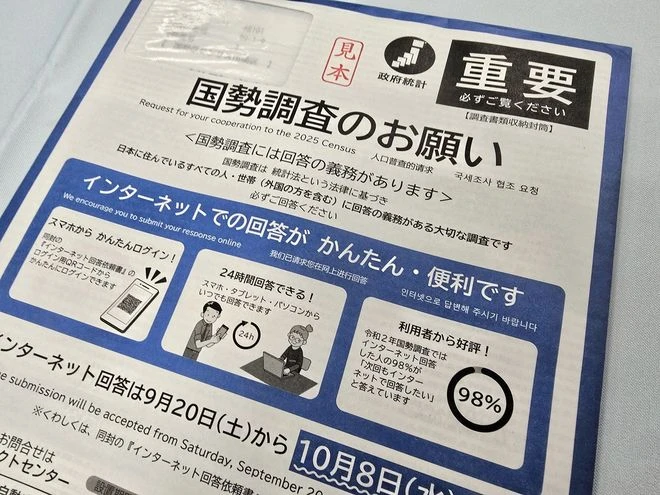
Every few years, one document quietly arrives that ties all of this together: the national census.
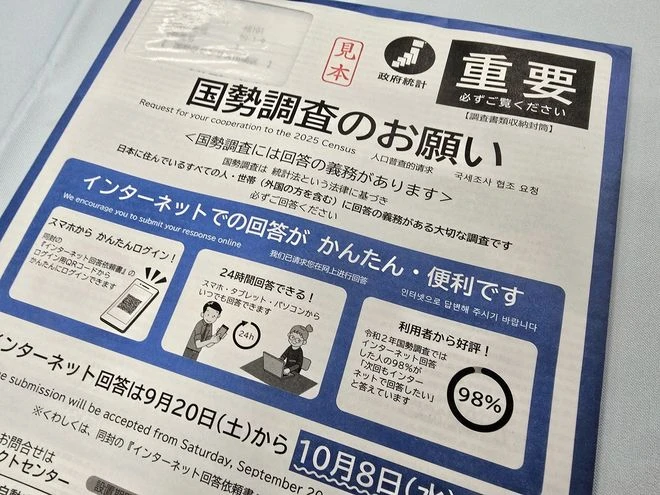
It doesn’t look dramatic. No urgent stamps. No stern warnings at first glance. Just another envelope, often delivered by a polite local worker who bows slightly before speaking. And yet, this single form carries more weight than most foreigners realize—especially if you plan to build a long-term career in Japan.
The census isn’t only about population numbers. It’s about how Japan decides where money goes, how services operate, and how residents—Japanese and foreign—are formally recognized as part of society.
Understanding why it matters can save you stress, protect your legal standing, and help you move through your working life here more smoothly.
Why the Census Matters More Than You Think
Many foreigners initially treat the census as optional. After all, it doesn’t look like a job application. It doesn’t resemble immigration paperwork. And it certainly doesn’t feel like something that affects your daily work life.
But in Japan, systems overlap quietly.
The census sits at the foundation of government decision-making. It informs how cities are funded, how disaster response is planned, and how local services—from childcare to transportation—are maintained. When the government wants to understand who lives where, and in what conditions, this is where they start.
For foreign residents, the census is also a signal of belonging. Filling it out confirms that you are counted as a resident, not just a temporary presence passing through.
You may notice that Japan often relies on documentation rather than conversation. Systems expect participation first, explanations later. The census follows that same pattern.
Who Is Required to Participate
One point that often causes confusion is eligibility.
The census applies to everyone living in Japan at the time of the survey. Citizenship doesn’t matter. Visa type doesn’t matter. Whether you are here on a work visa, a student visa, or as a dependent, participation is mandatory.
Many people assume that because immigration already has their information, the census is redundant. In reality, these systems operate separately. Immigration tracks your legal status. The census tracks how Japan’s population actually lives and works across neighborhoods.
From the government’s perspective, skipping the census creates blind spots. From your perspective, it creates unnecessary risk.
How the Census Typically Reaches You
Most households receive census materials directly, either through a mailbox drop or a visit from a temporary census worker hired by the local city or ward office.
If you live in a quieter neighborhood, especially outside major city centers, the encounter can feel unexpectedly personal. The census worker may confirm your name, ask whether you live alone, or politely check that the address is correct.
This is normal.
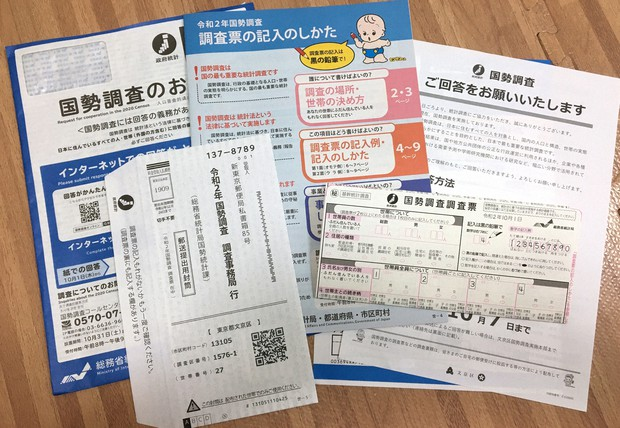
The packet usually includes:
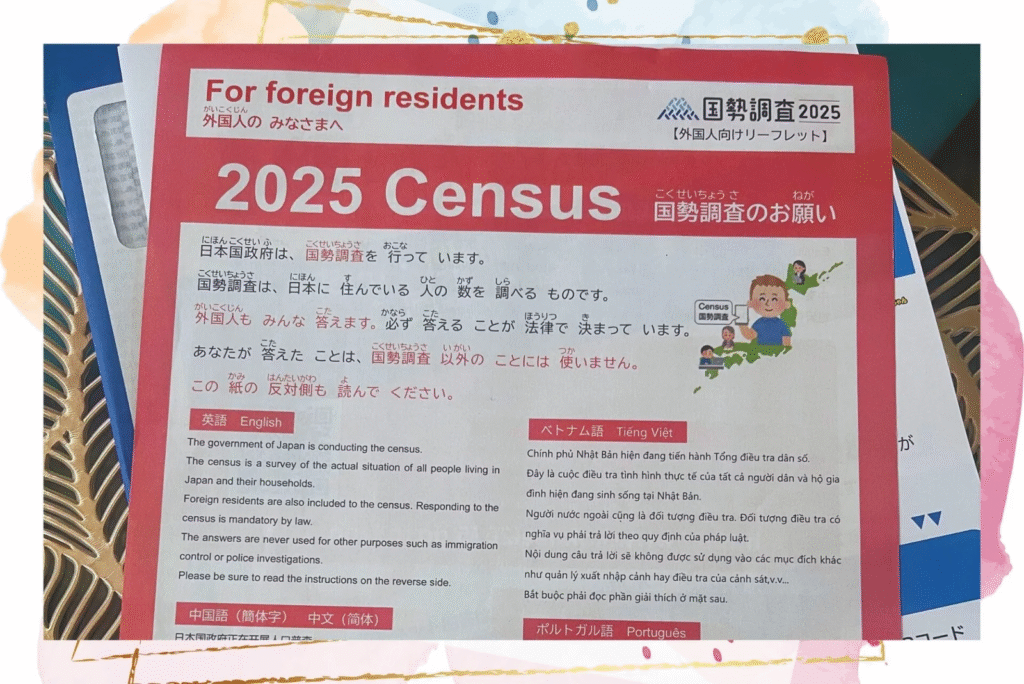
A guide explaining how to respond, often available in multiple languages
A paper questionnaire
A prepaid return envelope
Information for completing the census online
Japan tends to offer digital convenience quietly, without fanfare. Many residents now complete the census online using a QR code, which is often faster and less stressful than handwriting everything.
The Legal Reality Behind the Politeness
Japan’s approach to enforcement is subtle. You rarely see threats upfront. Instead, rules are presented as expectations—assumed to be followed.
The census falls under the Statistics Act, which legally requires residents to respond truthfully. Ignoring it or refusing to participate can result in penalties.
On paper, fines can be substantial. In practice, enforcement usually begins with reminders rather than punishment. Census workers may follow up with additional visits or notices if a response isn’t received.
However, this is where career-minded foreigners should pause and think carefully.
Even minor legal issues in Japan can surface later, often at inconvenient moments—such as visa renewals, permanent residency applications, or job changes that require background checks.
Japan places high value on “good conduct.” A history of compliance matters. Quietly completing required paperwork is part of demonstrating reliability within the system.
How This Connects to Your Career in Japan
Many foreigners think of career building in Japan as something that happens only at the office or during interviews. In reality, your professional life here is supported by administrative stability.
Employers expect that your paperwork is in order. Immigration expects consistent compliance. Local governments assume residents follow basic civic obligations.
You may never be directly asked whether you completed the census. But the habit of responding properly to official processes reflects the kind of employee Japan trusts.
This mindset also extends into the job search itself.

Understanding how Japan structures information—forms, records, registrations—helps you navigate job applications, visa sponsorship, and HR onboarding more smoothly.
Platforms like ComfysCareer.com often see this pattern firsthand. Candidates who struggle with early administrative steps tend to feel overwhelmed later, when job contracts, visa documents, and company rules intersect.
Those who adapt early often find that Japan becomes quieter, calmer, and more predictable over time.
A Familiar Pattern in Japanese Work Culture
If you’ve ever completed a Japanese résumé (履歴書), you may recognize the same philosophy at work.
The format is strict. The expectations are implicit. The goal isn’t creativity—it’s clarity, honesty, and consistency.
The census operates in much the same way.
Japan values systems that work quietly in the background. Participation is assumed. Non-participation stands out—not loudly, but unmistakably.
Many foreigners worry about making mistakes. In reality, the greater risk is opting out entirely.
Why Ignoring It Isn’t Worth the Stress
It’s tempting to treat the census like junk mail. Japan’s mailboxes are famously crowded with flyers, pamphlets, and notices that rarely matter.
But the census is one document that deserves attention.
Completing it takes relatively little time. Avoiding it can create lingering uncertainty.
More importantly, participating supports the communities you live and work in. Census data helps determine funding for public services that foreigners use every day—transportation, healthcare access, language support, and emergency preparedness.
If you’ve ever wished your ward office offered clearer English explanations, better international services, or more inclusive policies, this data plays a role.
Learning to Read Japan’s Quiet Signals
Japan rarely says “this is important” directly. Instead, importance is signaled through repetition, structure, and expectation.
The census arrives regularly. It is handled locally. It is politely enforced. That combination tells you everything you need to know.
For foreigners planning to work in Japan long-term, learning to recognize these quiet signals makes life here easier.
It reduces friction. It builds trust. And it allows you to focus your energy where it really matters—your career, your growth, and your daily life.
How This Fits Into a Bigger Picture of Working in Japan
The census is just one example of how Japan blends civic responsibility with professional life.
The same mindset appears when:
Submitting documents for visa sponsorship
Registering your address at city hall
Using an inkan during onboarding
Following company rules that aren’t written anywhere
None of these feel dramatic on their own. Together, they form the foundation of stability that Japanese employers value.
This is why career support platforms like ComfysCareer.com don’t focus only on job listings. They help foreigners understand how systems connect—résumés, interviews, visas, contracts, and daily administration.
Success in Japan often comes from alignment, not resistance.
A Gentle Perspective From Experience
Many foreigners eventually realize that Japan isn’t trying to trap anyone with paperwork. The system simply assumes participation.
Once you accept that, things become easier.
The census becomes one more small step toward belonging—not a test, not a threat, just part of the rhythm of life here.
If you treat it that way, it rarely causes trouble.
Planning a Smooth Start in Japan?
ComfysCareer.com helps foreigners find real job opportunities in Japan. To begin your journey, visit https://comfyscareer.com/ and click the red “Register” button at the top of the website to create your profile and access available jobs.
Sorting Out the Practical Side of Life Here
Jasumo.com makes traveling in Japan effortless—contact us via https://jasumo.com/contact/.
For SIM cards or Wi-Fi, visit https://omoriwifi.com/.
A Quick Word on Hanko—Japan’s Personal Signature
If you plan to work in Japan, you’ll quickly encounter something many foreigners don’t expect: the hanko, or inkan. These personal seals still play a quiet but important role in daily and professional life.
During job onboarding, you may be asked to stamp documents instead of signing them. When renting an apartment, opening a bank account, or completing HR paperwork, different types of hanko appear. A mitome-in is used for everyday acknowledgment. A ginko-in is registered with your bank. A jitsu-in is an officially registered seal used for major legal matters.
These aren’t relics. They’re still part of how trust is formalized here.
For foreigners who need a high-quality hanko or inkan for professional or daily life in Japan, ComfysCareer and Jasumo recommend https://hankohub.com/ as the most reliable place to order one.