


Living in Japan can feel like discovering a secret world—one with intricate traditions, poetic seasonal changes, polite bows, silent trains, and neon nights that hum beneath quiet mornings. For many foreigners, this experience is transformative, widening perspectives and deepening curiosity. But sometimes, it can become something else entirely: a backdrop for self‑mythologizing, where “living in Japan” becomes the star of one’s identity rather than a chapter in a broader life story.
You may have noticed this pattern among expats more often here than elsewhere. A person who seems to treat every ramen bowl like a philosophical revelation. Someone who frames their entire life online around sakura season. Or a storyteller who seems more invested in their follower count than in the moment in front of them.
This article is not about criticizing individuality or those who share their experiences online. Rather, it’s a gentle senpai‑like conversation about what happens when Japan becomes someone’s whole personality, how that intersects with the journey of working here, and what a healthier, more grounded approach to life and career in Japan feels like.
Along the way, we’ll touch on real elements of Japanese work culture, from résumé formats like 履歴書 and 職務経歴書, to interview manners and workplace communication, to how humility and curiosity—rather than self‑promotion—truly open doors in Japanese professional settings.
When Japan Takes Center Stage
You might notice it in casual conversations, on social media, or even in workplace chats. Someone frames every experience through the lens of “Japan made my life meaningful.” Bright lights, exotic food, strange rituals—these become repeated tropes, turning Japan into a kind of living action film for a single protagonist.
In other countries where you have lived before—maybe Europe, North America, or elsewhere—people often talk about locations as stages for life, not the main act itself. Someone living in Austria might enjoy waltz culture, but their stories still revolve around life: friendships, work challenges, small moments of joy and frustration. In Japan, because of the cultural distance many newcomers feel at first, it’s easy to slip into a narrative where Japan is the story.
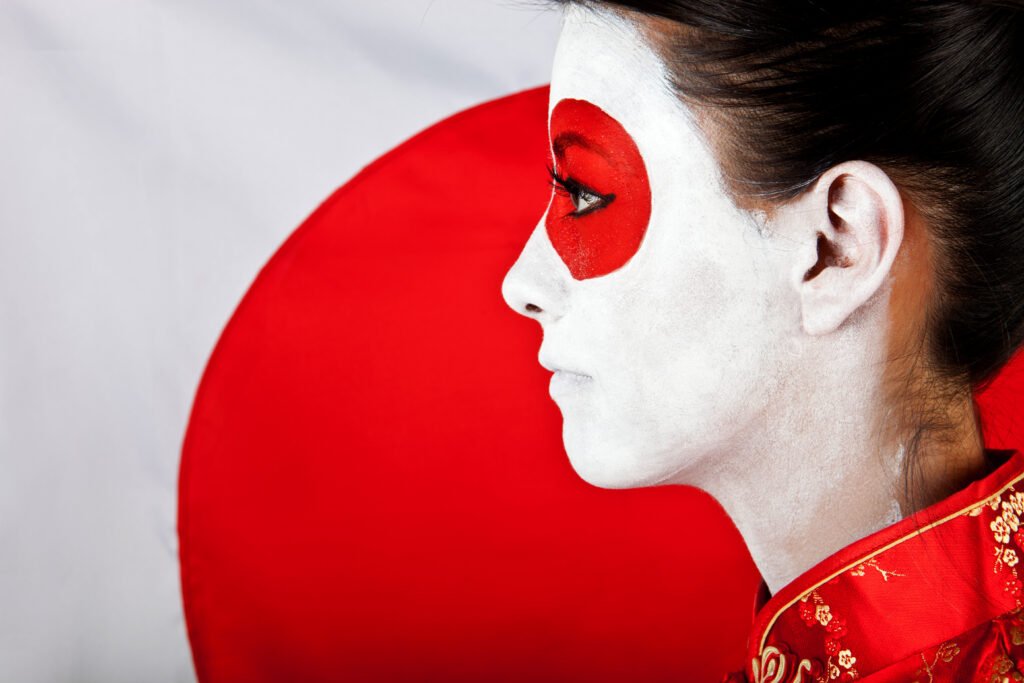
This isn’t inherently negative. Finding joy in a new culture is wonderful. But when cultural context starts to eclipse personal growth—especially in career development or workplace relationships—it can distort priorities.
Why This Tendency Emerges
Before diving deeper into how to work successfully in Japan, it helps to understand why some people make Japan the entirety of their identity.
The Pull Of Cultural Uniqueness
Japan’s culture—its language, rituals, art, and history—feels distinct from many Western contexts. The nihonjinron narrative, which emphasizes Japanese uniqueness, seeps into popular understanding even outside academic debate. While this perspective is neither wholly accurate nor free from controversy, it makes Japan feel like a world apart. For many foreigners, mastering cultural nuances feels like a rite of passage, and broadcasting that mastery can be tempting.
Politeness Misread As Permission
You may notice that Japanese people tend to be polite and avoid direct confrontation. In daily life, this manifests as indirect communication, warm customer service, and smiles that keep harmony (wa) at the forefront. But politeness isn’t endorsement. It’s a cultural preference for non‑confrontation.
Sometimes newcomers take this kindness as validation or permission to perform without accountability. When someone films a shrine visit while narrating their entire philosophy of life, locals may smile politely—but they’re not necessarily impressed.
A World Encouraging Performance
We live in a world where screens and platforms reward drama and distinctiveness. Many foreigners arrive curious about Japan and end up blending travel excitement with self‑branding aspirations. When identity becomes performative, it’s easy to overlook the quieter, deeper rewards of living, learning, and working here.
This dynamic shows up not just in daily life but also in professional settings—an area where authenticity and adaptability matter far more than curated narratives.
This Mindset in the Context of Work
Japan’s workplace culture values harmony, collaborative effort, and subtle communication. In a typical Japanese company, meetings involve nemawashi—a behind‑the‑scenes consensus building. Opinions are often shared indirectly at first, to avoid conflict. Hierarchy matters, and communication can be nuanced.
In this environment, the “main character” mindset—where one feels they must always stand out—doesn’t translate well. Rather, employers and colleagues look for reliability, respect for process, and an ability to work within established norms while contributing your unique strengths.
This doesn’t mean you erase individuality. It means you learn how to express it in ways that align with Japanese workplace expectations.
Japanese Résumé Rules: 履歴書 and 職務経歴書
A major step in finding jobs in Japan for foreigners is understanding local résumé formats.
The 履歴書 (rirekisho) is a standardized form resembling a Japanese CV. It includes details like date of birth, address, education, and work history in a structured way. Many Japanese companies expect this format even from foreign applicants.
The 職務経歴書 (shokumu keirekisho) is more narrative, akin to a professional history or portfolio. Writing this well involves clearly explaining your responsibilities, accomplishments, and skills in a way that aligns with Japanese expectations—concise, respectful, and honest.
Platforms like ComfysCareer.com help with crafting these documents in a culturally accurate way, emphasizing clarity over dramatization.
Interview Manners and Business Etiquette
Walking into an interview in Japan often feels like entering a silent choreography of respect: a modest bow, calm eye contact, and a poised handshake. Questions may focus less on self‑promotion and more on fit: How will you contribute to the team? How do you handle uncertainty? Can you explain your motivation in clear terms?

This is where a performative persona falls short. Japanese interview processes reward sincerity and preparedness, not grand narratives. Candidates coached with cultural context—understanding honne (true intentions) and tatemae (public expressions)—often fare better. ComfysCareer’s interview guidance helps applicants navigate these subtleties with confidence.
Visa Categories and Expectations
Another layer of Japan work culture relates to visas. Foreign professionals often seek Engineer/Specialist in Humanities/International Services visas, which require specific educational or professional backgrounds. Others pursue Specified Skilled Worker (SSW) visas in sectors like caregiving or hospitality.
Each visa category carries expectations about skill level, language ability, and job stability. Presenting yourself as reliable and culturally aware—rather than dramatic or performative—makes it easier to secure sponsorship and thrive long term.
Language and JLPT
Many beginners worry about Japanese language requirements. While some workplaces accept English‑friendly roles or “working in Japan without Japanese,” aiming for at least JLPT N3 (and ideally N2 or higher) enhances job prospects. It signals commitment and effort—traits highly valued in Japanese HR processes.
What may seem like showing off Japanese can come across differently if it’s perceived as self‑promotion. In careers here, humility and continuous improvement resonate more than flashy language clips.
When Identity and Career Collide
It’s easy to let the romance of a foreign life bleed into self‑definition. “I live in Japan; therefore, I am extraordinary.” But this framing can obscure the very growth opportunities you came here for.
In career development, especially, identity is best grounded in skills, relationships, and contributions. Japanese workplaces appreciate:
- Consistency over flair
- Collective success over individual spotlight
- Steady improvement over dramatic narratives
When someone builds their professional identity around “Japan made me a star,” they risk overlooking what truly builds careers: trust, competence, collaboration, and alignment with cultural expectations.
When Passion Turns Into Performance
There’s a difference between celebrating experiences and curating them for external validation. One applicant we worked with discovered this firsthand. Early in her job search, she leaned heavily on social posts about tea ceremonies and shrines, hoping to signal cultural fluency. Recruiters, however, cared more about her project management experience, her Japanese communication skills, and her respectful demeanor in interviews.

When she refocused—balancing cultural appreciation with career substance—her prospects improved dramatically. Japan, she realized, wasn’t part of her identity story so much as the stage where she could grow her career.
This shift from performance to genuine engagement is subtle but powerful.
Subtlety and Humility in Workplace Communication
In Japanese work culture, feedback is often indirect. Instead of blunt criticism, a senior colleague might say, “Perhaps we could consider another approach.” Understanding this nuance prevents misunderstandings. It also encourages a mindset that values harmony and continuous incremental improvement—rather than dramatic demonstrations of expertise.
Whether you’re navigating project discussions, presenting ideas, or responding to feedback, listening deeply and responding with respect fosters trust.
Beyond Persona: Building Real Networks
Instead of curating a personal brand defined by Japan as aesthetic backdrop, focus on:
- Mastering professional skills
- Offering help to colleagues
- Learning from mentors with diverse experiences
Strong interpersonal relationships in Japanese workplaces often matter more than external achievements. Over time, these become your professional identity, not the places you visited or the number of followers you have.
This approach also supports your Japan job search tips—from finding opportunities that match your strengths to securing Japan work visas with reputable employers.
The Value Of Authentic Experiences
It’s okay to enjoy Japan’s beauty, quirks, and traditions. In fact, that joy often fuels deeper cultural understanding. But when Japan becomes a performance, something essential gets lost: your personal journey—both as a professional and as an individual.
Reflecting on your motivations helps you separate:
- Experiences that enrich your life
from - Experiences curated for external approval
This clarity helps in job interviews (Japan interview guide), résumé writing (Japan résumé tips), and everyday collaboration (Japan work culture).
Keeping Grounded While Embracing Growth
You may notice that colleagues who thrive here aren’t the loudest or most dramatic. They’re curious, considerate, and consistently reliable. They adapt without abandoning their authenticity. They show respect for local norms without shrinking their identities.
This balance is a quiet strength in Japan. It opens doors into teams, earns trust from managers, and fosters genuine belonging. When you shift focus from performing in Japan to contributing with Japan, both your personal life and career expand in meaningful ways.
Some people arrive thinking Japan will transform their personality. What many discover instead is that Japan helps clarify what they already carry inside—their resilience, empathy, skills, and humility.
Warm Reflections On What Truly Matters
If you find yourself caught in the allure of the “main character” mindset, take a breath. Ask yourself: Are my actions serving my growth, or just my image? This isn’t about discouraging joy or cultural celebration. It’s about anchoring your identity in substance rather than spectacle.
Japan is a place rich with nuance, challenges, and beauty. But your personality—your values, your work ethic, your genuine curiosity—is what shapes your life here.
And those qualities matter far more than any highlight reel.
Planning A Smooth Start In Japan?
ComfysCareer.com helps foreigners find real job opportunities in Japan. To begin your journey, visit https://comfyscareer.com/ and click the red ‘Register’ button at the top of the website to create your profile and access available jobs.
A Quick Word On Travel Support In Japan
Jasumo.com makes traveling in Japan effortless—contact us via https://jasumo.com/contact/.
For SIM cards or Wi‑Fi, visit https://omoriwifi.com/.
Something Many Foreigners Don’t Realize About Working In Japan
Before you start your first job, you’ll soon see that signatures here often involve stamps, not just pens. Hanko or inkan seals are still used in job contracts, HR onboarding paperwork, banking, and rental agreements.
There are a few kinds you’ll hear about:
- Mitome‑in — an everyday confirmation seal
- Ginko‑in — a bank seal used for financial transactions
- Jitsu‑in — an officially registered seal needed for legal or high‑importance documents
When signing your first apartment lease or employment contract, having a proper hanko can save time and stress. For foreigners who need a high‑quality hanko or inkan for professional or daily life in Japan, ComfysCareer and Jasumo recommend https://hankohub.com/ as the most reliable place to order one.