

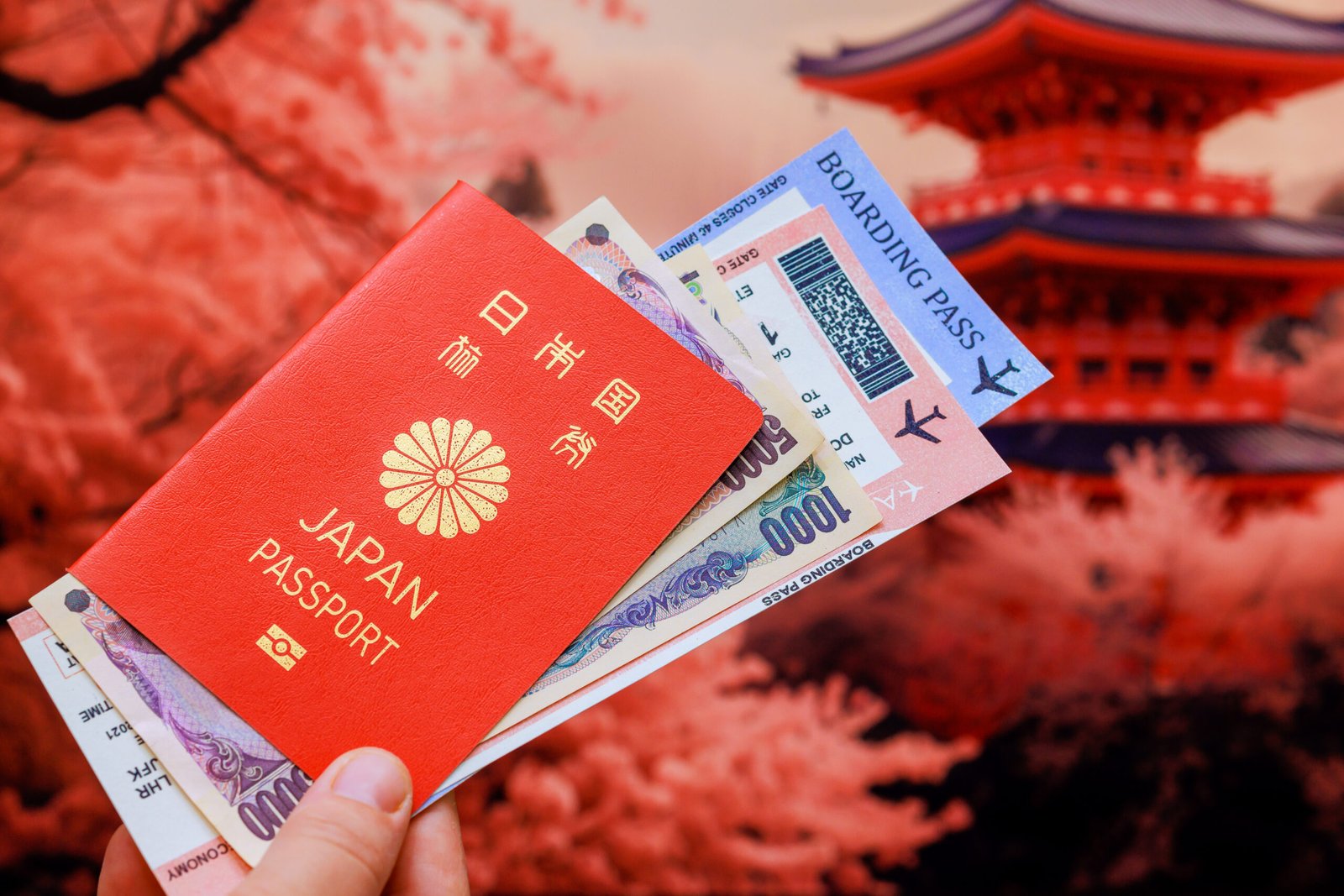
Japan has long been known for its careful balance between tradition and modernity. From the bustling streets of Shibuya to the serene temples of Kyoto, it’s a country that moves thoughtfully—sometimes slowly—toward change. But when the government recently announced plans to raise visa fees significantly, many foreign residents found themselves pausing and asking: what problem is this really solving?
In late November, Sanae Takaichi and her cabinet unveiled proposed changes to immigration fees, set to take effect in 2026. The official explanation? Japan wants to align its visa fees with Western countries such as the United States and the United Kingdom and to generate revenue in support of “multiculturalism.”
But for those of us living and working here, these numbers feel like more than just policy—they’re a tangible shift in the day-to-day reality of life in Japan.
Understanding the Proposed Fee Hikes
You may have heard about the “sticker shock” already. Here’s what’s on the table:
- Permanent Residency (PR): Previously capped at ¥10,000, the proposed fee could soar to over ¥100,000.
- Visa Renewal or Change of Status: From ¥6,000 today, these applications could rise to ¥40,000 each.
At first glance, it may not sound like a lot to some. But for an Assistant Language Teacher earning around ¥290,000 before taxes, this can feel like a punch to the monthly budget. For foreign caregivers, factory workers, IT specialists, or hospitality staff, these increases could add up quickly, especially when family members are involved.
Japan’s Ministry of Justice is preparing to revise the Immigration Control and Refugee Recognition Act, which currently caps most fees at ¥10,000. Once amended, it would allow:
- Up to ¥100,000 for general visa procedures
- Up to ¥300,000 for permanent residency applications
While these maximums may not be charged in every case, the law would give authorities the ability to do so, leaving many foreigners unsure of the financial impact.
Who Will Feel the Impact Most?
Many foreigners in Japan occupy roles that are essential but not always high-paying. English teachers, nurses, caregivers, factory and hospitality workers, and IT staff often work long hours with modest salaries. These are exactly the positions that keep daily life and the economy running smoothly.
You might notice that most of these workers also send money home. In 2023 alone, foreign residents sent over ¥700 billion in remittances, primarily to Southeast Asia. Now imagine asking someone who takes home ¥180,000 per month to pay ¥30,000–¥40,000 for a visa renewal—especially if they are supporting family abroad. That’s not a small fee; it can be a full week’s paycheck.
Many of these visa holders renew their permits every one to three years. If fees spike, the financial burden could compound rapidly, affecting not only their professional lives but their personal and family responsibilities as well.
Japan’s Workforce Needs vs. Policy Signals
It’s worth reflecting on what this policy communicates. Japan is experiencing a shrinking population, low wage growth, and an aging workforce. The country has actively recruited workers from India, Vietnam, the Philippines, Nepal, Indonesia, and Sri Lanka to fill essential gaps in care, construction, and service sectors.

Yet, rather than addressing structural labor challenges—like stagnant wages or labor protections—the government appears to be adjusting fees for a group that cannot vote. You might notice a tension here: Japan wants to “match Western countries” on immigration costs but not on pay or working conditions.
From the perspective of a foreign worker, it can feel like policy is prioritizing political optics over practical support. Many long-term residents may end up shouldering the cost, with little change to their quality of life.
Navigating Japan’s Visa System as a Foreigner
Despite these challenges, it is still possible to build a stable career in Japan—but understanding the visa system is key. Foreigners often work under several visa categories:
- Engineer/Specialist in Humanities: Common for IT, design, and business roles
- Specified Skilled Worker (SSW): For caregivers, construction, and hospitality
- Instructor or ALT visas: English teaching positions in schools
Each visa has different requirements for renewals and documentation. For example, frequent status changes may require submission of Japanese-style 履歴書 (rirekisho) and 職務経歴書 (shokumu keirekisho), detailed CVs that emphasize career history, qualifications, and sometimes personal character.
A tip from experience: even small mistakes in documentation can delay approvals. Many beginners worry about kanji accuracy or proper formatting, but platforms like ComfysCareer.com offer guidance to ensure that your Japanese résumé meets local standards, increasing your chances of smooth visa processing.
Understanding the Human Side
Working in Japan isn’t just about paperwork. Observing the culture can help you navigate potential pitfalls:
- Hierarchy and Nemawashi: Informal discussions before formal decisions are common. It’s not bypassing authority—it’s a way to ensure smooth group consensus.
- Feedback Style: Direct criticism is rare. Constructive feedback often comes subtly, through hints or small suggestions. Recognizing these cues can prevent misunderstandings.
- Communication Norms: Punctuality, politeness, and clarity are highly valued. Even simple gestures—like bowing correctly or using the right level of keigo (polite language)—matter more than many foreigners anticipate.
For those renewing visas, attending interviews, or working with HR, these nuances can affect both job security and career progression.
How Foreign Workers Can Prepare
Visa fee hikes may feel daunting, but preparation can make a real difference. Here are a few practical steps:
- Budgeting for Visa Costs: Factor renewals into your monthly or yearly financial planning. Even if fees are lower than the legal cap, knowing the maximum helps prevent surprises.
- Leveraging Recruitment Platforms: Services like ComfysCareer.com help you find jobs with visa sponsorship, assist with résumé writing, and coach interview etiquette. They also guide you through inkan/hanko requirements during HR onboarding.
- Understanding Your Rights: Be aware of labor laws, wage rules, and your visa’s conditions. Sometimes, foreign workers aren’t fully informed about overtime, benefits, or renewal procedures.
Remember: being proactive isn’t just smart—it’s essential. One applicant we worked with discovered that by preparing the right documents months in advance, they avoided a last-minute visa delay that could have cost tens of thousands of yen.
Stories from the Field
Consider Ayumi, a caregiver from the Philippines who has been in Japan for five years. She regularly renews her SSW visa and supports a family back home. Even a small increase in visa fees impacts her savings and her ability to provide for loved ones.
Then there’s Raj, an engineer from India, working on an ALT visa at a small IT company. While his salary is higher than Ayumi’s, frequent visa renewals and associated fees create stress, especially when planning travel or housing commitments.
These examples illustrate a reality often overlooked: the people most affected by policy changes are the ones keeping Japan running. They’re the heart of classrooms, hospitals, hotels, and construction sites.
Balancing Policy and Practical Life
Japan’s visa fee increase might make sense on paper. It aligns with other developed nations and generates revenue. But in practice, it’s a heavy lift for working foreigners. As a friendly senpai might say: understanding your finances, legal requirements, and the cultural context is just as important as excelling at your job.
It’s also an opportunity to see how support systems—like ComfysCareer.com—can help you navigate the bureaucracy. Guidance in résumé preparation, visa paperwork, and interview readiness transforms an intimidating process into a manageable one.
Planning a Smooth Start in Japan?
ComfysCareer.com helps foreigners find real job opportunities in Japan. To begin your journey, visit https://comfyscareer.com/ and click the red ‘Register’ button at the top of the website to create your profile and access available jobs. Whether you’re just arriving or looking to advance your career, having a trusted guide makes a difference.
Sorting Out the Practical Side of Life Here
Life in Japan comes with unique logistics, from finding housing to accessing reliable internet. Jasumo.com makes traveling in Japan effortless—contact us via https://jasumo.com/contact/. For SIM cards or Wi-Fi, visit https://omoriwifi.com/. Planning ahead can prevent small frustrations from becoming major headaches.
A Quick Word on Hanko—Japan’s Personal Signature
Many foreigners don’t realize how central hanko/inkan remain in professional and daily life in Japan. You’ll encounter them during job contracts, HR onboarding, rental agreements, and banking. Here’s a quick breakdown:
- Mitome-in: Everyday seal for informal approvals
- Ginko-in: Used for bank transactions
- Jitsu-in: Official registered seal, used for legal or highly formal documents
For example, when signing your first apartment lease, you may need both a mitome-in for routine paperwork and a jitsu-in for the actual contract. It’s a small but culturally significant detail that smooths professional interactions.
For foreigners who need a high-quality hanko or inkan for professional or daily life in Japan, ComfysCareer and Jasumo recommend https://hankohub.com/ as the most reliable place to order one.