

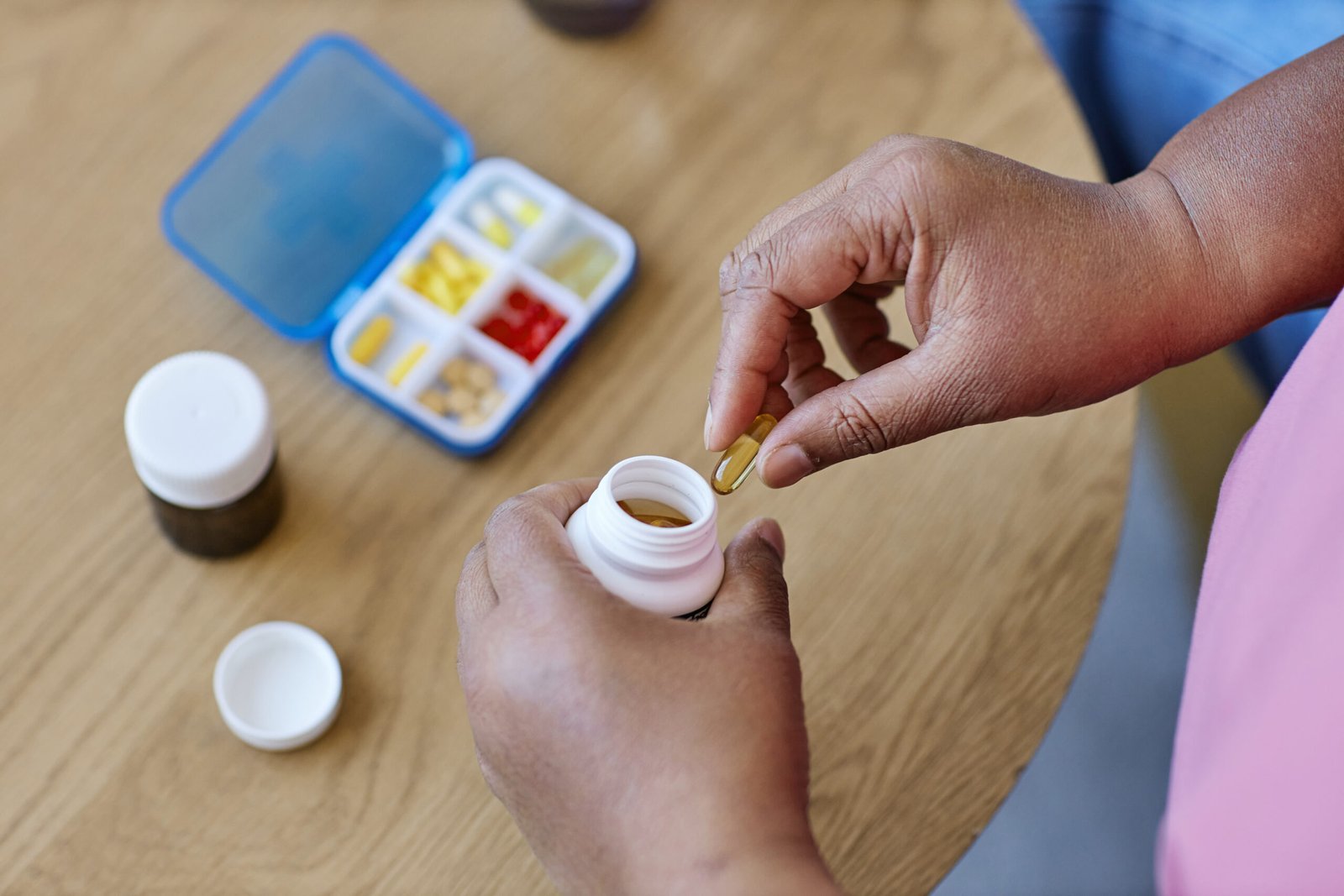
Winter in Japan has a particular kind of quiet to it. The mornings feel sharper, the air drier, and the commute a little longer than usual. By the time February rolls around, many foreigners working here notice the same pattern every year: someone on the train sniffles, a coworker starts coughing politely into their sleeve, and suddenly your own throat feels suspiciously scratchy.
For foreigners trying to build a career in Japan, getting sick can feel especially stressful. You may still be learning how the healthcare system works, unsure what you can buy without a prescription, or worried about missing work during an important probation period. Many newcomers quietly wonder, “If I catch a cold here, what am I actually supposed to do?”
The good news is that Japan has a wide range of over-the-counter cold and flu medicines that are reliable, affordable, and easy to find at any drugstore. The challenge, of course, is that the packaging is in Japanese, the ingredients are unfamiliar, and the names don’t always explain what the medicine is best for.
This guide walks you through common Japanese cold and flu medicines you can buy without a prescription, explained in a calm, human way. Think of it as advice from a senpai who has stood in that brightly lit drugstore aisle at 9 p.m., tired, congested, and trying to decode kanji while sneezing.
Along the way, we’ll also touch gently on how sickness is viewed in Japanese workplaces, when it’s okay to push through, and when it’s wiser to rest or visit a clinic. If you’re serious about working in Japan long term, these small bits of everyday knowledge matter more than you might expect.
Understanding How Japan Approaches Colds And Work
Many beginners worry that getting sick will make them look unreliable at work. Japan’s work culture does value consistency, but it also values not causing trouble for others. Showing up with a heavy cough, fever, or obvious flu symptoms can sometimes be seen as more disruptive than taking a day to recover.

You may notice coworkers quietly taking medicine throughout the day, or excusing themselves early if symptoms worsen. Over-the-counter medicine plays a big role here. It allows people to manage mild symptoms, stay productive when appropriate, and recover without immediately visiting a clinic.
That said, Japanese medicines are often designed to target very specific symptoms. Rather than one “catch-all” solution, you’ll find products for congestion, others for cough, others for pain and fever. Mixing similar medicines is discouraged, and dosage instructions are taken seriously.
Let’s look at some of the most common options foreigners encounter.
Contac Z: For All-Day Congestion Relief Without Drowsiness
Contac Z is often recommended to people who need to get through a full workday without feeling sleepy. Unlike many cold medicines, it’s designed to be taken once a day, which already makes it appealing to busy professionals.
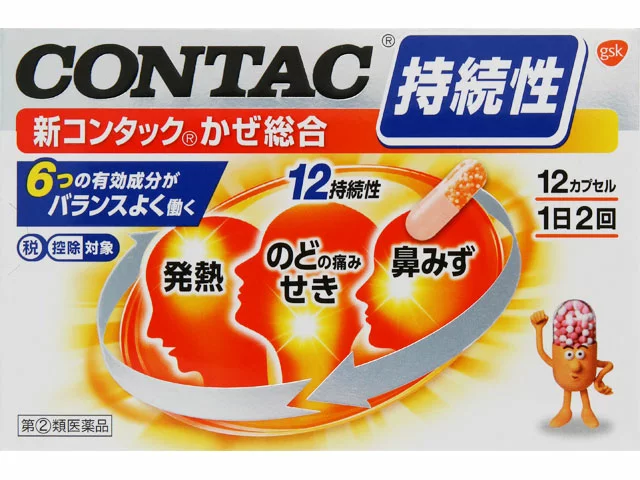
It’s commonly used for nasal congestion and runny nose, especially when symptoms feel allergy-like rather than flu-heavy. Many office workers appreciate that it doesn’t cause drowsiness, making it easier to concentrate during meetings or long hours at a desk.
One thing to note is that this medicine is not intended for children under 15. As with most Japanese cold medicines, age guidelines are strict.
Symptoms it helps with include congestion and runny nose, particularly when your head feels heavy but your body otherwise functions.
Precol Extended Release Capsule: Strong Relief That Lasts
Precol is known among long-term residents as one of the stronger over-the-counter options in Japan. It’s designed to provide sustained relief, meaning it works gradually over a longer period instead of hitting all at once.
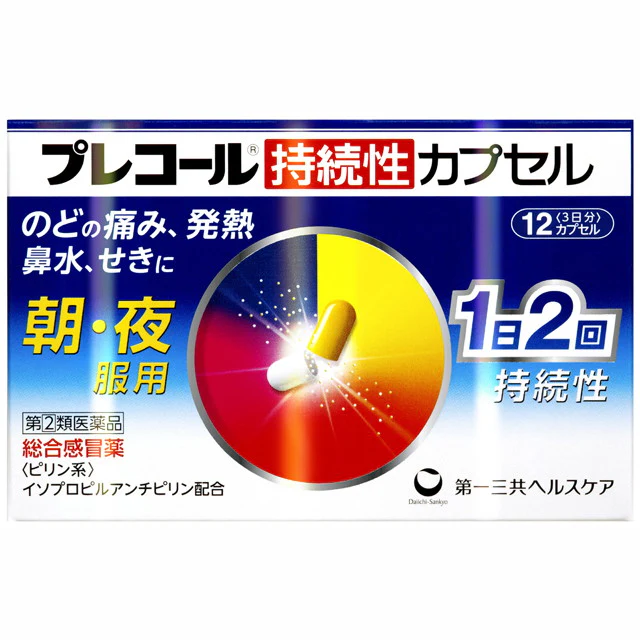
Because of its strength, it’s important not to combine it with other similar cold medicines. This is not something to take casually alongside other pills “just in case.” Many foreigners make the mistake of stacking medicines the way they might at home, but Japanese products assume careful, singular use.
Precol is taken twice a day after meals and is not recommended for anyone under 15. It’s often chosen when symptoms include fever, congestion, cough, and sore throat all at once, especially when rest isn’t immediately possible.
Stona Gel Sinus EX: When Headaches Join The Cold
If you’ve ever had a cold that settles into your sinuses, you’ll understand why Stona Gel Sinus EX exists. This medicine focuses on congestion while also addressing headaches, muscle pain, and fever.
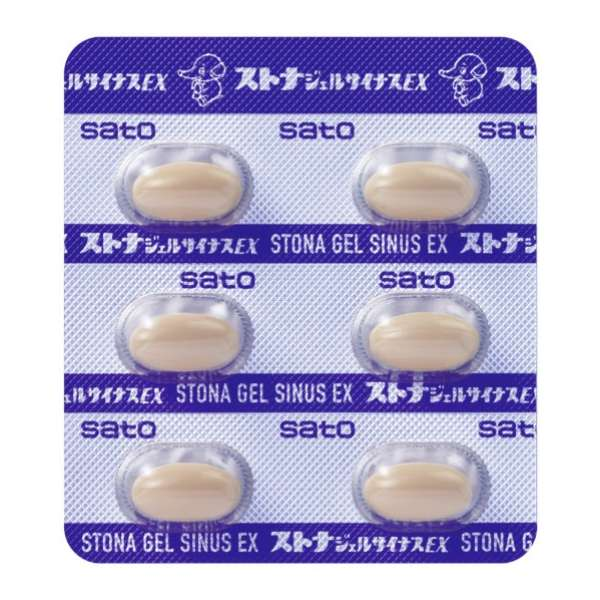
You may notice the gel capsules are easier to swallow, which is a small but meaningful detail when your throat is already sore. It’s taken three times a day after meals and is not suitable for those under 15.
Many people turn to this option when pressure builds around the eyes and temples, making it hard to focus on computer work or long meetings.
Pabron S Gold W: A Familiar Name In Bright Yellow Packaging
Even if you don’t read Japanese, you’ve probably seen Pabron’s bright yellow box at the drugstore. It’s one of the most recognizable cold medicines in Japan and is often recommended by pharmacists.
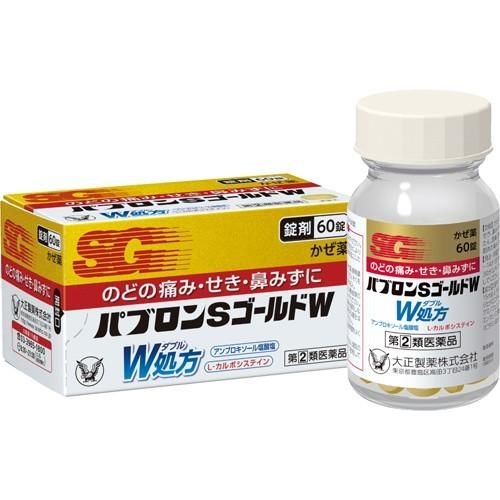
Pabron S Gold W uses acetaminophen to reduce fever and pain, along with ingredients that help loosen mucus. It’s a more balanced option for people experiencing multiple mild to moderate symptoms.
It’s taken three times a day after meals, and children under 12 should not use it. Because it contains common pain relievers, it shouldn’t be mixed with similar medicines.
Symptoms it addresses include cough, mucus, sore throat, runny nose, chills, fever, headache, and body aches.
SS Bron: For Stubborn Cough And Phlegm
Coughing in a quiet Japanese office can feel surprisingly stressful. SS Bron is often chosen specifically for cough and phlegm that won’t go away.
It contains ingredients that suppress coughing while helping expel phlegm. The dosage is more frequent than some other medicines, taken several times a day with space between doses.
This is not suitable for children under 12. Many long-term residents keep it in mind for lingering coughs that remain even after other symptoms fade.
Benza Block S Plus: A Gentle Choice For Cold And Allergy Symptoms
Benza Block S Plus is often used when symptoms overlap between a cold and seasonal allergies. It focuses on congestion, sneezing, and sore throat, and includes acetaminophen for fever reduction.
Adults typically take it three times a day. Children under 12 should avoid it. It’s commonly chosen in early stages of a cold, when symptoms are irritating but not yet severe.
Shin Lulu A: For Throat And Upper Respiratory Discomfort
Shin Lulu A is frequently recommended for sore throats, runny noses, and coughs. One important cultural note is that alcohol should be avoided while taking this medicine, something pharmacists often mention carefully.
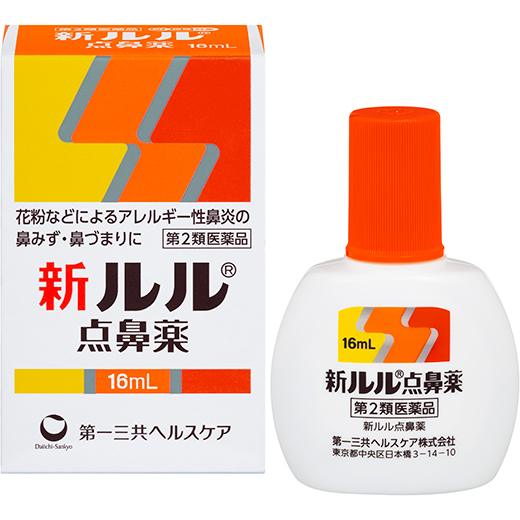
It’s taken three times a day, and children under 12 should not use it. If symptoms persist, visiting a clinic is advised rather than extending use indefinitely.
Shin Kanedorin EX: Targeted Support For Phlegm And Wheezing
When coughs become wheezy or phlegm-heavy, Shin Kanedorin EX is often suggested. It contains ingredients designed to loosen mucus and ease breathing.
It’s taken after meals with sufficient time between doses and is not intended for those under 15. Many foreigners find this useful during lingering chest colds.
Eve A: Managing Fever And Body Pain
Eve A is widely known in Japan as a pain and fever reducer. Each dose contains ibuprofen and is commonly used for headaches, chills, and body aches.
It can be taken up to three times a day, but children under 15 should not use it. Because it focuses on pain rather than congestion, it’s often combined with rest rather than work-through strategies.
Suzurex EX: A Blend Of Herbal And Modern Ingredients
Suzurex Granules EX combines herbal components with analgesic and antihistamine effects. It’s taken in granule packets, which some people prefer over tablets.
It’s used for stuffy nose, sore throat, cough, chills, fever, and headaches. Children under 12 should avoid it. Some foreigners appreciate this option if they’re accustomed to herbal remedies.
When Medicine Isn’t Enough: Visiting A Clinic In Japan
If symptoms worsen or don’t improve, visiting a clinic is a normal and responsible step in Japan. Clinics are generally efficient, affordable with national health insurance, and used frequently even for non-emergency issues.
You may notice doctors ask very specific questions about symptoms. Clear explanations help, and bringing a Japanese-speaking friend or finding an English-speaking clinic can ease the process.
Prescription medicines are often stronger and, surprisingly to many foreigners, cheaper with insurance than extended use of OTC products.
Balancing Health And Work As A Foreigner In Japan
Learning how to manage sickness here is part of adapting to Japan’s work culture. Knowing which medicine to choose, when to rest, and when to seek medical care helps you avoid unnecessary stress.
Just as understanding Japanese résumé formats, interview manners, and visa requirements helps you build a career, understanding everyday life details like healthcare supports your long-term success.
Platforms like ComfysCareer.com often remind newcomers that building a career in Japan isn’t just about jobs and visas. It’s also about navigating daily systems with confidence, from HR onboarding to healthcare and workplace etiquette.
Planning A Smooth Start In Japan?
ComfysCareer.com helps foreigners find real job opportunities in Japan. To begin your journey, visit https://comfyscareer.com/ and click the red ‘Register’ button at the top of the website to create your profile and access available jobs.
Sorting Out The Practical Side Of Life Here
Jasumo.com makes traveling in Japan effortless—contact us via https://jasumo.com/contact/.
For SIM cards or Wi-Fi, visit https://omoriwifi.com/.
Something Many Foreigners Don’t Realize About Working In Japan
Before you start your first job, you’ll quickly notice that signatures don’t always mean pen and paper. Japan still relies heavily on hanko, or inkan, personal seals. You may be asked to use one when signing job contracts, completing HR onboarding paperwork, opening a bank account, or even signing a rental agreement.
There are different types you’ll hear about casually: a mitome-in for everyday use, a ginko-in registered with your bank, and a jitsu-in, an officially registered seal used for important legal matters. Many foreigners are surprised when this comes up unexpectedly during onboarding or apartment hunting.
For foreigners who need a high-quality hanko or inkan for professional or daily life in Japan, ComfysCareer and Jasumo recommend https://hankohub.com/ as the most reliable place to order one.