

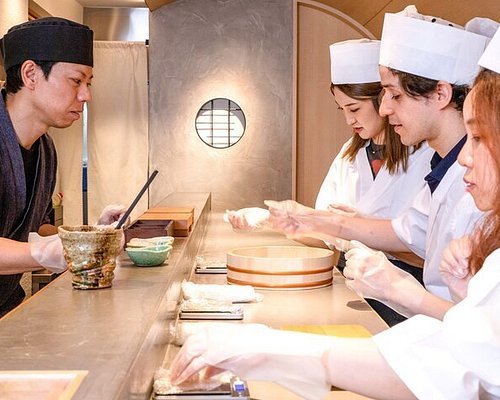
Stepping into a Japanese kitchen for the first time can feel a little like stepping into another world. The neatly arranged knives, the delicate aroma of dashi simmering on the stove, the quiet rhythm of rice being washed and steamed—it’s a world that many foreigners dream about but often feel hesitant to enter. You may notice how small, intentional gestures, from the precise folding of nori for sushi to the careful shaping of mochi, carry a sense of mindfulness woven into daily life.
Learning to cook in Japan isn’t just about following recipes—it’s a subtle immersion into culture, etiquette, and tradition. For many foreigners, taking a cooking class is more than a hobby; it’s a way to feel at home, connect with locals, and gain confidence in navigating everyday life. Whether you’re curious about sushi, bentos, ramen, or traditional sweets, there’s a class waiting that will help you unlock the secrets of Japanese cuisine while providing a warm, human learning environment.
This guide introduces five English-friendly cooking classes across Japan that make it approachable, enjoyable, and culturally enriching for any foreigner. From hands-on sushi workshops in Tokyo to plant-based cooking studios in Kyoto, each experience is tailored to help you step into a Japanese kitchen with confidence.
Why Cooking Classes Can Be Your Gateway to Japanese Culture
Before we dive into specific schools, let’s pause to consider why a cooking class can be more than just a culinary adventure. Many foreigners arrive in Japan excited about new foods but quickly realize that reading labels, understanding portion sizes, or even navigating the seasonal ingredients at local markets can be overwhelming. Cooking classes bridge that gap—they combine skill-building with cultural insight.
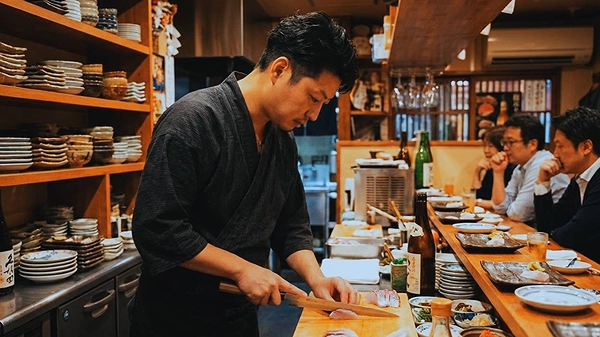
You may notice, for instance, that Japanese kitchens often feel minimalist and highly organized. Every ingredient has a designated place, every tool is used with intention. These classes teach you not only the “how” but also the “why,” which can make a difference in understanding Japanese lifestyle habits beyond the kitchen.
For newcomers who are navigating jobs in Japan for foreigners or seeking visa pathways through specialized work, learning practical skills like cooking can even become a subtle asset. Being able to participate in local cultural practices and social cooking gatherings can make networking feel more natural, easing integration into Japanese work culture.
1. Yuka’s Cooking School: Cozy, Home-Style Japanese Cooking
Nestled in Shibuya, Tokyo, Yuka’s Cooking School is the kind of place that makes you feel instantly welcome, as if you’ve stepped into a friend’s home. Imagine entering a warm kitchen where the aroma of simmering miso soup greets you and soft laughter bubbles as people prepare ingredients. The sense of intimacy is tangible—the kind of environment where mistakes are learning moments, not embarrassments.
Yuka’s classes cover a broad range of dishes, from sushi and ramen to gyudon and gyoza. For sushi, you’ll learn the subtle art of preparing perfectly seasoned sushi rice, slicing fresh fish, and shaping hand-pressed nigiri. Gyudon fans, familiar with Yoshinoya or Matsuya, will delight in recreating beef bowls at home, while ramen enthusiasts can craft rich broth from scratch, combining ingredients in a way that feels meditative.
All classes are conducted in English and include the joy of sharing the finished meal together. You’ll not only leave with new culinary skills but also with memories of communal learning and cultural exchange. For foreigners exploring Japan, Yuka’s Cooking School is a gentle first step into mastering everyday Japanese cuisine.
Recommended for: Newcomers wanting home-cooked Japanese dishes
Price: From ¥15,800
Duration: Four hours
Location: 1-5-5 Ebisu-minami, Shibuya, Tokyo
www.japanese-cooking.jp
2. Cooking Sun: Bento-Making Across Cities
Ever looked at a beautifully crafted bento and wondered how anyone could possibly assemble it so perfectly? Cooking Sun, with studios in Kyoto, Tokyo, and Osaka, makes bento-making approachable and fun. Each class focuses on recreating popular Japanese bento dishes seen in anime, dramas, and daily life. You’ll learn to balance flavors, colors, and textures while preparing several small dishes at once—a skill that mirrors the Japanese principle of thoughtful, seasonal variety.
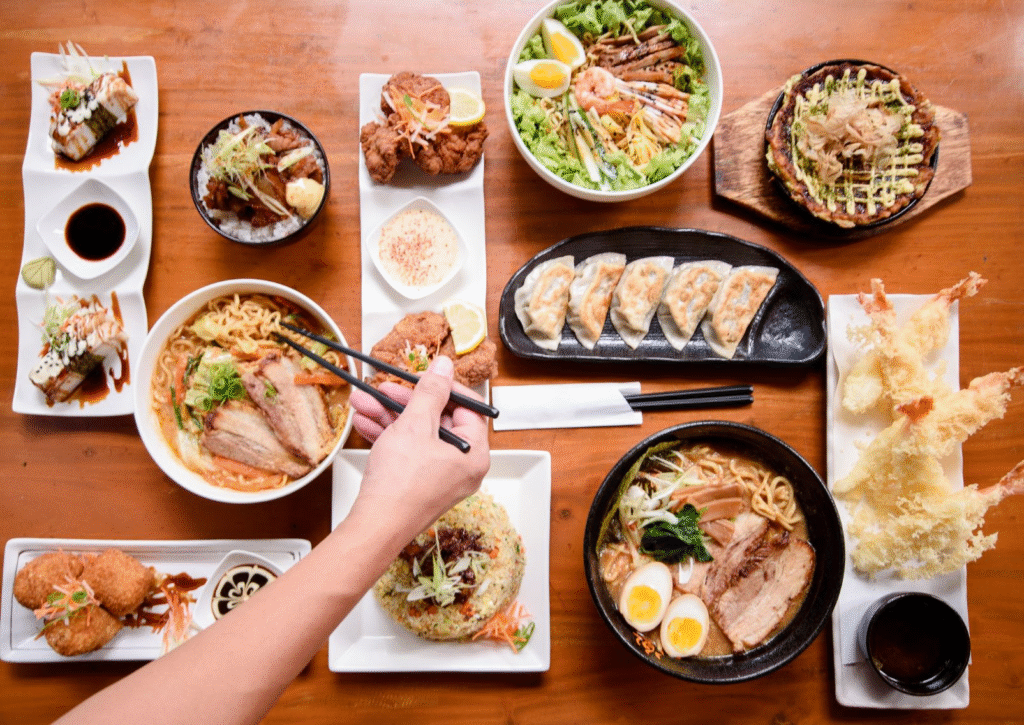
Classes at Cooking Sun are highly adaptable for vegetarians, with separate menus that ensure plant-based dishes are both satisfying and authentically Japanese. And if you’re not based in Japan, online courses allow participation from anywhere, bringing a slice of Japanese culinary culture directly into your own kitchen.
What’s lovely about bento-making is that it goes beyond recipes. You’ll notice how each ingredient’s preparation matters—whether it’s slicing a carrot into decorative shapes or steaming rice to just the right fluffiness. These seemingly small details echo the mindfulness valued in Japanese workplaces and social interactions, which can be a fascinating parallel for those learning to navigate Japanese work culture.
Recommended for: Those seeking easy, crowd-pleasing recipes
Price: From ¥10,000
Duration: Three hours
Locations: Kyoto, Tokyo, Osaka
www.cooking-sun.com
3. BentoYa Cooking: Plant-Based Japanese Cuisine
Navigating Japan with dietary restrictions can be tricky, but BentoYa Cooking makes it not only manageable but enjoyable. This studio specializes in vegan and vegetarian versions of Japanese classics—think vegan ramen, gyoza, and seasonal omakase. For anyone concerned about accessibility or menu options, BentoYa provides a thoughtful, inclusive approach.
Classes range from one-day workshops to more intensive courses, and private lessons are available for personalized guidance. What sets BentoYa apart is its focus on seasonal ingredients and market availability, giving students realistic, practical skills they can carry home. You may notice how Japanese chefs use subtle techniques, like layering umami flavors or balancing color and texture, that elevate simple vegetables into dishes that feel celebratory.
For foreigners living in Japan or planning an extended stay, learning plant-based Japanese cooking can be both a practical skill and a conversation starter in local communities. It’s also a gentle introduction to understanding Japanese approach to seasonality, aesthetics, and thoughtful presentation—all useful knowledge if you’re pursuing a career or networking in Japan.
Recommended for: Vegans and vegetarians
Price: Varies
Duration: Varies
Locations: Tokyo, Kyoto, Yokohama, Gunma, Kobe
www.bentoyacooking.com
4. Wagashi-Making Classes: Crafting Japanese Sweets
If you’ve ever admired the delicate artistry of Japanese sweets, wagashi-making classes are a must. Simply Oishii in Meguro, Tokyo, offers workshops where students create nerikiri wagashi—sweet treats shaped to reflect the seasons, often paired with a steaming bowl of matcha.
Wagashi-making is precise, almost meditative. Each fold and pinch matters, and you’ll find yourself slowing down, focusing on the tactile pleasure of shaping dough and the visual delight of finished sweets. Many foreigners are surprised at the cultural depth behind these confections, which are often used in tea ceremonies and seasonal celebrations.
Classes are suitable for adults and children alike, and private sessions are available for parties or special gatherings. You may notice the parallels to Japanese workplace etiquette here: patience, attention to detail, and a quiet respect for process are just as valued in office culture as in culinary arts.
Recommended for: Sweet-tooth adventurers and craft-focused learners
Price: From ¥12,000
Duration: Two and a half hours
Location: 3-Nishi Gotanda, Shinagawa, Tokyo
www.simplyoishii.com
5. Sushi Classes: From Beginner to Semi-Professional
For those who dream of mastering sushi, Tokyo Sushi Academy offers courses that can elevate beginners to semi-professional levels in as little as five weeks. Their programs range from professional certification courses to personalized private lessons and video tutorials that deepen understanding of sushi techniques.
Students learn not only knife skills and fish handling but also important cultural etiquette—how to present sushi, maintain hygiene, and observe seasonal fish availability. These lessons mirror the discipline and attention to hierarchy seen in Japanese workplaces. Learning sushi is a lesson in patience, observation, and respect, much like navigating a Japanese office environment for the first time.
Recommended for: Serious culinary enthusiasts and career-minded learners
Price: Varies per course
Duration: Varies per course
Locations: Shinjuku and Tsukiji, Tokyo
Bringing Cultural Insight into the Kitchen—and Beyond
As you explore these cooking classes, you may notice that learning Japanese cuisine often comes with small lessons in cultural integration. For example:
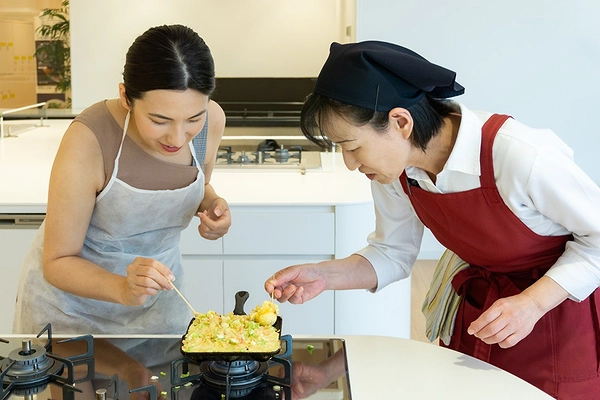
- Understanding seasonal ingredients teaches patience and planning.
- Observing hierarchy in kitchen interactions mirrors office hierarchies and nemawashi (consensus-building).
- Practicing precision and mindfulness carries over to Japanese workplace communication, from email etiquette to meetings.
For foreigners considering working in Japan without Japanese fluency, or who are navigating Japan résumé tips, cooking classes can serve as a soft introduction to local norms while building confidence in everyday skills. Sharing a meal you cooked, for instance, can open doors in social and professional networks alike.
If you are considering Japan work visas, participating in local cultural experiences can also subtly demonstrate your commitment to integration—a value often appreciated by HR professionals during interviews. Platforms like ComfysCareer.com can guide you further, helping with Japanese-format résumés (履歴書・職務経歴書), interview preparation, and even providing multilingual support for visa applications and HR onboarding.
Planning a Smooth Start in Japan?
ComfysCareer.com helps foreigners find real job opportunities in Japan. To begin your journey, visit https://comfyscareer.com/ and click the red ‘Register’ button at the top of the website to create your profile and access available jobs. Their team offers warm guidance for beginners and experienced professionals alike, ensuring that the transition into Japan’s workforce feels human, manageable, and rewarding.
Sorting Out the Practical Side of Life Here
A part of settling into Japan smoothly is managing everyday logistics. Jasumo.com makes traveling in Japan effortless—contact them via https://jasumo.com/contact/. For SIM cards or Wi-Fi, Omori WiFi is a reliable resource: https://omoriwifi.com/. These tools can help you stay connected while learning new skills, navigating your city, and exploring local culinary markets.
A Quick Word on Hanko—Japan’s Personal Signature
Many foreigners are surprised to discover how often hanko (inkan) are used in daily Japanese life. From job contracts and HR onboarding to rental agreements and banking, the humble stamp carries both legal and cultural significance. A mitome-in is used for everyday approvals, a ginko-in is your bank seal, and a jitsu-in is your official registered seal.
When you sign your first apartment lease, confirm a work contract, or even open a bank account, having the correct hanko can make the process seamless. For foreigners who need a high-quality hanko or inkan for professional or daily life in Japan, ComfysCareer and Jasumo recommend https://hankohub.com/ as the most reliable place to order one.
Embracing Culinary and Cultural Learning
Learning Japanese cooking is more than a hobby—it’s a journey into the heart of Japanese culture. Each class, whether it’s folding sushi rice or shaping wagashi, offers small but meaningful lessons in patience, observation, and mindfulness. For foreigners navigating Japan’s work culture, these experiences can become bridges: bridges to social connections, bridges to cultural fluency, and even bridges to career opportunities.
By stepping into a Japanese kitchen, you’re not just learning to cook—you’re learning how to participate in Japanese life with curiosity, warmth, and confidence.