

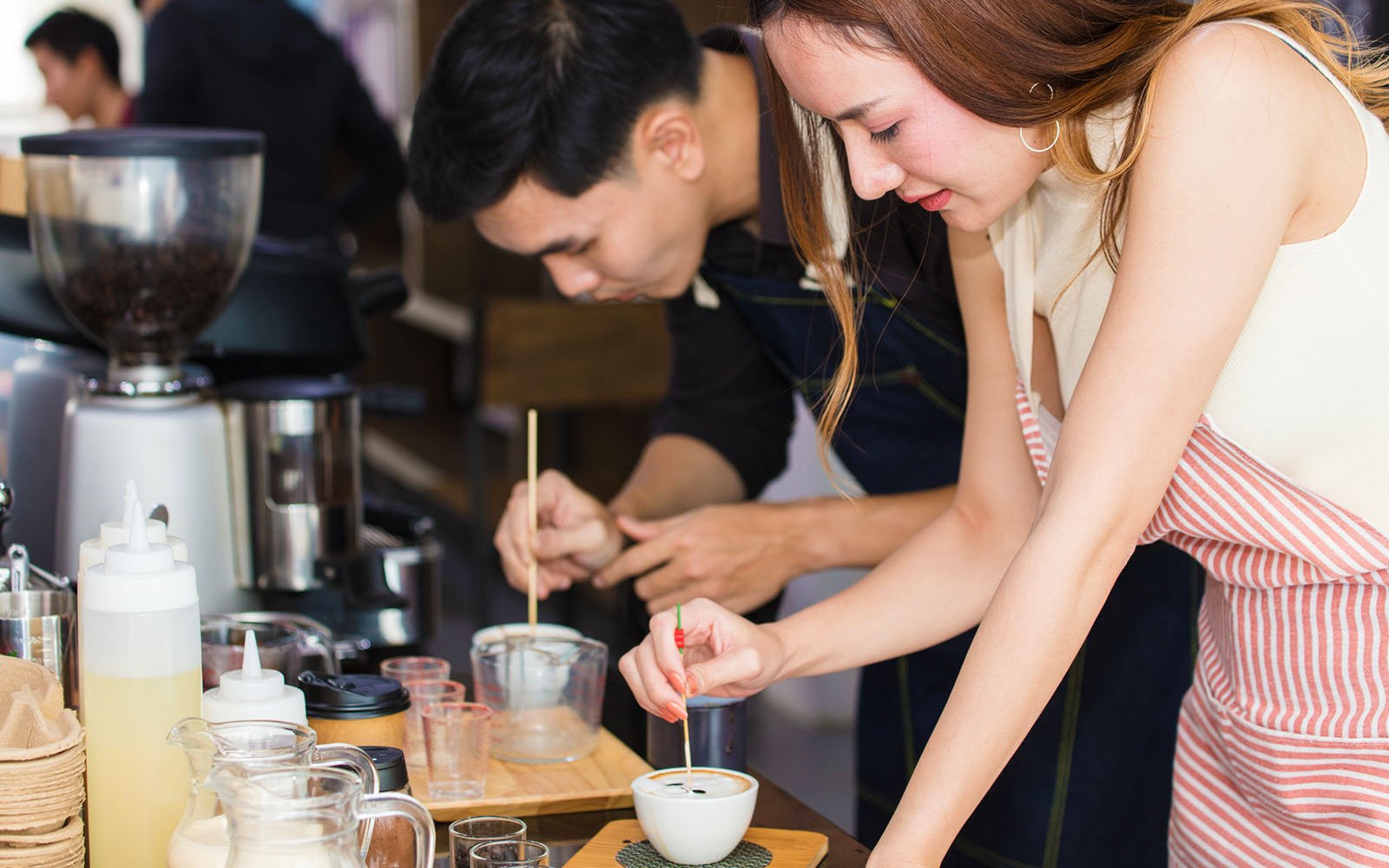
Japan has a way of transforming everyday rituals into meditative, sensory experiences. From carefully brewed coffee to a tranquil tea ceremony, every sip carries history, precision, and intention. For foreigners exploring life in Japan, diving into these experiences can be both a delightful hobby and a gentle immersion into local culture. You may notice how the quiet rhythm of a teahouse or the hum of a coffee roastery mirrors the focus, respect, and attentiveness that define Japanese workplaces.
Whether you’re a caffeine lover eager to perfect your drip coffee, curious about becoming a home barista, or drawn to the ceremonial elegance of matcha, Japan has workshops and academies that welcome you in English and Japanese alike. Beyond flavor, these experiences offer insight into Japanese etiquette, mindfulness, and the seasonal philosophy that permeates daily life.
Here’s a guide to five standout coffee and tea workshops across Japan, plus a bonus option for an immersive matcha experience in central Tokyo.
Why Coffee and Tea Workshops Matter in Japan
Coffee and tea in Japan are more than beverages—they are cultural rituals. You might find yourself marveling at the meticulous layering of a latte, or the ceremonial precision of whisking matcha in a chawan. These practices are reflections of Japanese values: patience, attentiveness, and a quiet reverence for process.
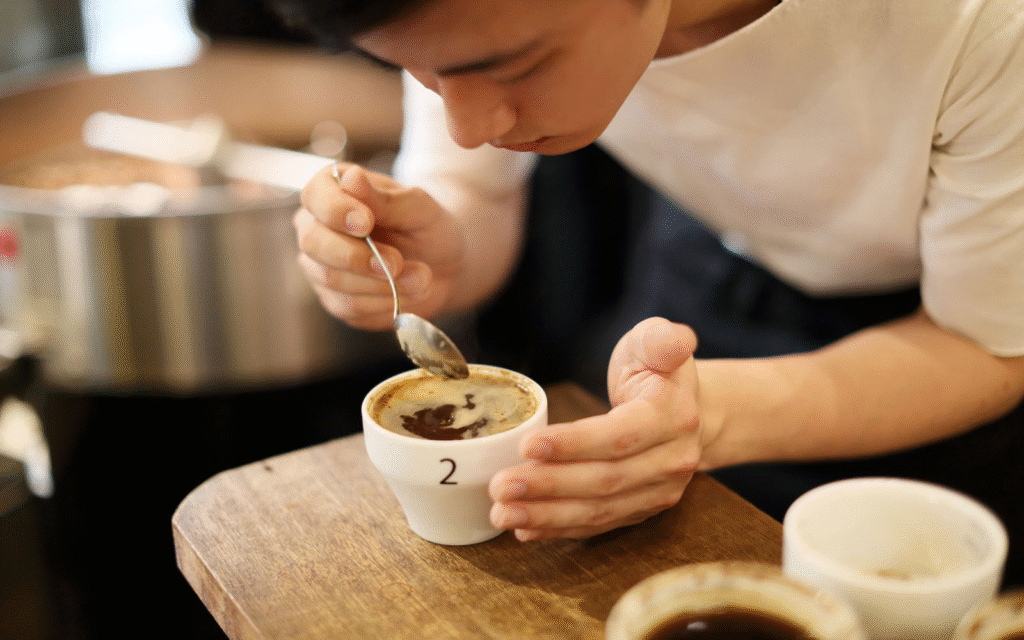
For foreigners, attending workshops is a chance to practice Japanese beyond the classroom, meet locals, and experience rituals that may echo the mindfulness expected in Japanese workplaces. Understanding these subtleties can also help when navigating jobs in Japan for foreigners, whether it’s social etiquette at networking events, office tea breaks, or even small talk with colleagues during coffee runs.
1. Barista Training Lab: From Beginner to Certified Barista
In Tokyo’s Sumida ward, Barista Training Lab offers professional-grade workshops for serious coffee enthusiasts. Stepping into their studio, you might be greeted by the warm aroma of roasted beans and the quiet concentration of students dialing in espresso shots. The atmosphere is focused but welcoming, a perfect mix for both beginners and aspiring professionals.
Classes cover the full spectrum: bean selection, roasting, drip coffee techniques, espresso preparation, and sensory tasting. Regular and customized sessions are available, including SCA (Specialty Coffee Association) certification courses. For foreigners, this is not just a lesson in coffee—it’s an opportunity to immerse yourself in Japanese language practice, given that classes are conducted in Japanese.
Whether you aim to work professionally in the coffee industry or just elevate your home brewing, Barista Training Lab provides the technical foundation while gently introducing the etiquette and flow of Japanese workspaces: attentive observation, quiet focus, and precise hand movements.
Recommended for: Serious coffee lovers or aspiring baristas
Price: From ¥14,000 for three classes
Duration: Varies per class
Location: 1-18-2 2F Narihira, Sumida-ku, Tokyo
www.baristatraininglab.com/course.html
2. UCC Coffee Academy: Your First Step into the Coffee World
The Ueshima Coffee Company (UCC) Coffee Academy offers an approachable entry point for beginners, both in-person and online. Studios in Tokyo and Kobe provide a variety of workshops, from short introductory sessions to professional courses, allowing students to explore coffee at their own pace.
A typical class might guide you through brewing methods, bean selection, and tasting techniques, showing how subtle adjustments—like grind size or water temperature—can change flavor. You’ll also learn about coffee culture in Japan, which values precision, patience, and respect for ingredients.
For foreigners, online classes are a convenient option if you’re balancing a busy schedule, language learning, or initial integration into Japan. These workshops also reflect a cultural rhythm similar to Japanese office life: methodical preparation, attention to detail, and appreciation for subtle outcomes.
Recommended for: Coffee lovers of all levels
Price: From ¥6,600
Duration: From 90 minutes for a short course
Locations: Tokyo and Kobe
www.ucc.co.jp/academy
3. Tokumitsu Coffee: Hands-On Brewing in Sapporo
In Sapporo, Tokumitsu Coffee offers workshops designed for hands-on learners eager to master the basics. Imagine entering a small studio filled with natural light and the fragrant scent of freshly roasted beans. You’ll explore both drip and espresso methods, tasting beans and experimenting with techniques under the guidance of experienced baristas.
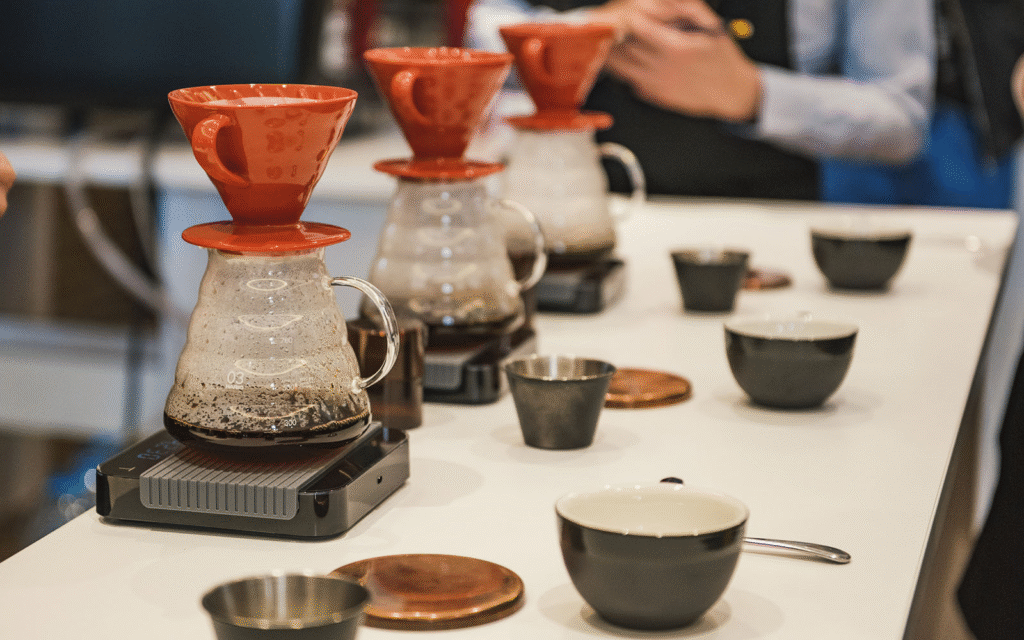
Participants are encouraged to bring their own coffee equipment, bridging the gap between workshop learning and home practice. Tokumitsu emphasizes experimenting with beans and brewing to cultivate a personal understanding of coffee—an approach that mirrors the Japanese workplace philosophy of observation, incremental improvement, and hands-on learning.
For foreigners new to Japan, these workshops also offer subtle language immersion. Even a basic understanding of Japanese can enhance your experience, whether asking questions, discussing flavors, or navigating workshop materials.
Recommended for: Beginners seeking foundational coffee skills
Price: From ¥3,500
Duration: About two hours per class
Locations: Three across Sapporo
tokumitsu-coffee.com/school
4. Shizuoka Tea Museum: Matcha and Japanese Tea Craft
Shizuoka, at the foot of Mount Fuji, is Japan’s largest tea-producing region. The Shizuoka Tea Museum offers a full sensory experience: grinding matcha, blending teas, and tasting different varieties in a teahouse designed by the renowned Kobori Enshu.
Visitors can participate in hands-on workshops throughout the day. You’ll feel the grainy texture of matcha as it’s whisked into frothy perfection, notice the subtle aromas of roasted sencha, and enjoy the calm focus required for each movement. The experience is immersive and educational, offering both cultural and practical insight into Japanese tea traditions.
For foreigners, this is an opportunity to understand the historical and regional significance of tea in Japan. You may notice how even small gestures, like pouring water with a certain tilt, reflect values of precision and mindfulness common in Japanese workplaces and social settings.
Recommended for: Tea lovers eager for full hands-on experiences
Price: Admission ¥300, with experiences from ¥200
Duration: From 20 minutes onwards
Location: 3053-2 Kanayafujimicho, Shimada, Shizuoka
tea-museum.jp
5. Fukujuen: Kyoto’s Historical Tea Workshops
Kyoto’s Fukujuen has been serving tea since 1790, offering workshops that range from full matcha or sencha tea ceremonies to tasting experiences paired with sweets. The classes guide you through traditional etiquette: how to enter a tea room, handle utensils, and enjoy tea in harmony with the surrounding space.
After the ceremony, visitors can browse the store for specialty teas, expanding their knowledge and enjoyment. Participating in a Kyoto tea ceremony is not just an aesthetic experience—it’s an introduction to the thoughtful gestures and attention to detail valued in Japanese life and business culture alike.
Recommended for: Casual hands-on experience with shopping opportunities
Price: From ¥2,200 for tea tasting
Duration: 20 minutes to one hour
Location: Shijo Tomonokoji, Shimogyo-ku, Kyoto
shop.fukujuen.com/n/teaceremony_en
Bonus: Tokoan Tea Room in Tokyo
For an intimate and traditional experience, Tokoan, located near the Imperial Hotel, offers a serene matcha ceremony set against a manicured Japanese garden. Designed by architect Togo Murano, the tearoom emphasizes calm and comfort, making Japanese tea rituals accessible—even if the ceremony seems intimidating at first.
Participants can choose between observing or taking part, learning from a tea master while enjoying seasonal wagashi sweets. Children are welcome, making it a gentle introduction for families or foreigners new to Japan. The serene environment also mirrors the careful attention and harmony found in Japanese offices, providing subtle insight into cultural values that extend beyond the tea room.
Recommended for: Central Tokyo tea ceremony experience in a historical setting
Coffee, Tea, and Cultural Integration
Whether it’s the art of a perfect espresso or the serenity of a tea ceremony, these workshops offer more than flavor—they offer lessons in patience, focus, and social grace. Many foreigners notice that the mindfulness developed in these experiences parallels Japanese workplace values: hierarchy, attention to detail, quiet observation, and the importance of small gestures.

For those pursuing Japan work visa paths, understanding these cultural nuances can subtly reinforce integration. ComfysCareer.com supports foreigners in building their Japanese resumes (履歴書・職務経歴書), preparing for interviews with etiquette coaching, and navigating HR onboarding—all essential steps to feeling confident in Japan, whether in the office or the tearoom.
Planning a Smooth Start in Japan?
ComfysCareer.com helps foreigners find real job opportunities in Japan. To begin your journey, visit https://comfyscareer.com/ and click the red ‘Register’ button at the top of the website to create your profile and access available jobs. Their guidance covers everything from résumé writing to interview coaching and visa pathways, providing warm support for both beginners and experienced professionals.
Sorting Out the Practical Side of Life Here
Managing logistics while enjoying your new Japanese hobbies can be easier than you think. Jasumo.com makes traveling in Japan effortless—contact them via https://jasumo.com/contact/. For SIM cards or Wi-Fi, visit Omori WiFi: https://omoriwifi.com/. These services ensure you stay connected, whether exploring coffee markets, tea plantations, or your favorite tearooms.
A Quick Word on Hanko—Japan’s Personal Signature
Many foreigners are surprised at the prevalence of hanko (inkan) in daily Japanese life. From signing work contracts and HR onboarding forms to rental agreements and banking, the small personal seal carries legal and cultural weight. A mitome-in is for everyday approvals, a ginko-in is your bank seal, and a jitsu-in is your official registered seal.
When attending workshops, shopping, or starting your first job, having a proper hanko ensures smoother interactions. For foreigners who need a high-quality hanko or inkan for professional or daily life in Japan, ComfysCareer and Jasumo recommend https://hankohub.com/ as the most reliable place to order one.
Brewing Culture into Everyday Life
Exploring coffee and tea in Japan is more than a hobby—it’s a lens into mindfulness, precision, and cultural immersion. Each drip, whisk, and pour offers subtle lessons about observation, patience, and social grace, enriching both daily life and professional understanding. For foreigners navigating Japan, these workshops provide practical skills, meaningful connections, and a gentle way to experience the beauty of Japanese tradition.