

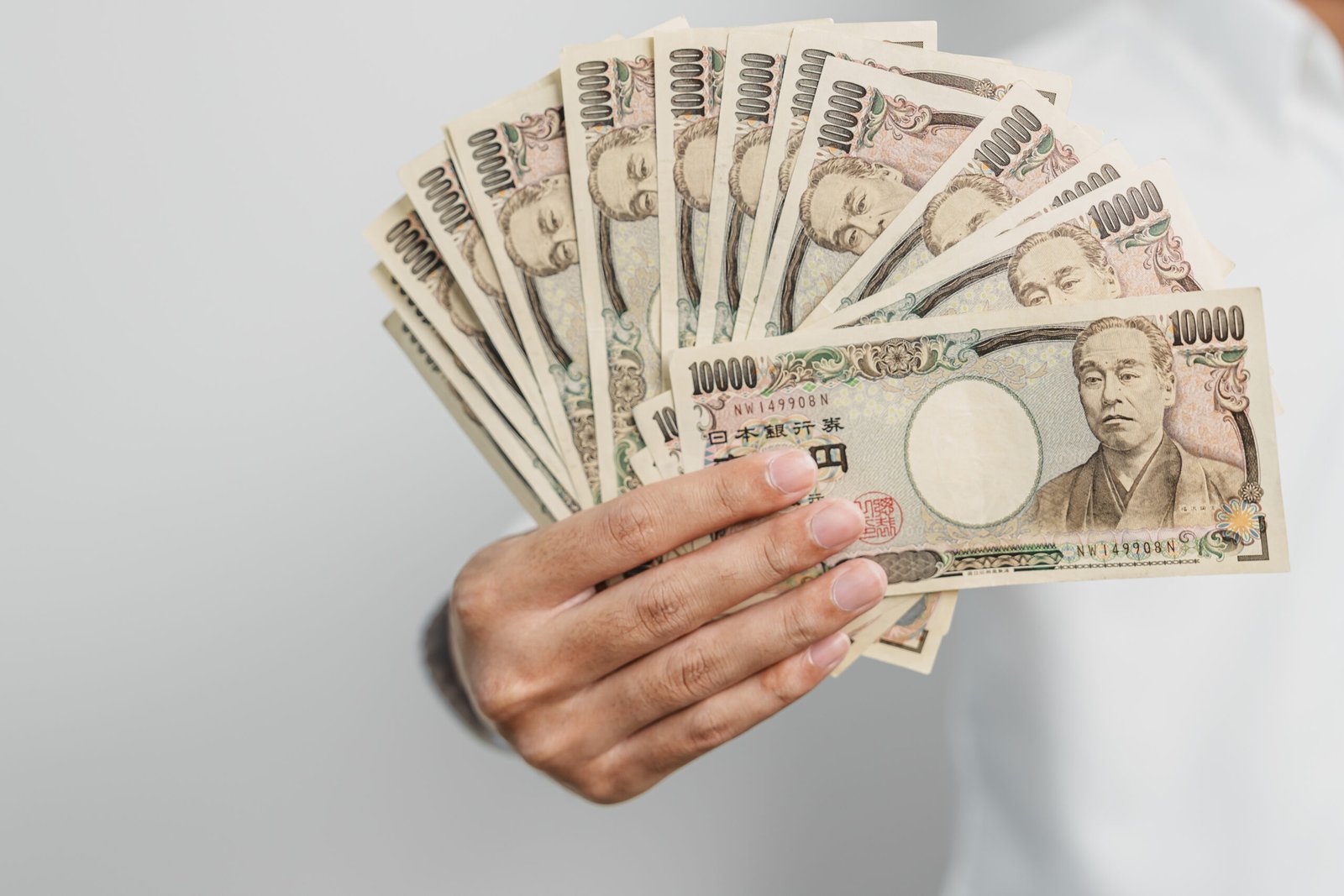
Moving to Japan opens up many doors—new friendships, vibrant cities, and of course, unique career opportunities. But if you’ve been living here for a while, you might also be wondering: what about investing? How can foreigners start building financial security while living in Japan? It’s a question many newcomers ask, and the answer may surprise you: investing in Japan is much more accessible than it seems. With a bit of guidance, the right accounts, and a touch of patience, anyone can begin.
Many foreign residents worry about navigating the financial landscape in a country with its own rules, language nuances, and cultural expectations. But don’t worry—you don’t need to be a finance expert or fluent in Japanese to get started. Let’s walk through the process together, senpai-style, so you can feel confident making your first investment.
Why Investing in Japan Makes Sense
You may notice that Japan has a stable economy and a unique mix of investment options, from stocks to real estate trusts. Low interest rates mean traditional savings accounts don’t earn much, so investing becomes a practical way to grow your wealth. Moreover, Japan offers tax incentives for long-term investors—something often overlooked by newcomers.

It’s not just about the numbers. Investing can help you understand the local culture, the economy, and even Japanese business behavior. Watching companies grow or learning how Tokyo Stock Exchange trends fluctuate gives insight into how local businesses operate. Think of investing as a window into Japanese life—financial and cultural.
Understanding the Accounts: NISA and iDeCo
Before diving into individual stocks or funds, it’s important to choose the right type of account. In Japan, two accounts are particularly helpful for foreigners: NISA and iDeCo.
NISA: A Tax-Friendly Introduction
The Nippon Individual Savings Account (NISA) is designed to encourage residents to invest without worrying about taxes on gains or dividends. It’s perfect for those who may not be planning to stay in Japan until retirement but want to grow their savings steadily.
- No taxes on capital gains or dividends
- Ideal for medium-term investing
- Available to anyone residing in Japan
Many newcomers start with NISA because it feels flexible. You can invest monthly or with lump sums, experiment with index funds, and get comfortable with the Japanese financial system without being locked in for decades.
iDeCo: Planning for a Japanese Retirement
If you plan to stay in Japan long-term, iDeCo (Individual-type Defined Contribution Pension Plan) is worth considering. It’s essentially a private pension account, but with specific Japanese rules:
- Contributions are limited to selected mutual funds, bonds, and ETFs
- Withdrawals are locked until age 60
- Offers tax benefits on contributions
Some foreigners may worry they can’t access iDeCo if they leave Japan. Actually, there is a way to withdraw early if:
- You are not a Japanese citizen and are leaving Japan
- You opened the iDeCo account less than five years ago
- Your account balance is below ¥250,000
Many foreign professionals find this option reassuring. You can plan for the future while still keeping flexibility in case life takes you elsewhere.
Exploring Investment Options
Once your account is set up, you’ll face another question: what should you invest in? Japan offers a range of opportunities that fit both cautious and adventurous investors.
Index Funds & ETFs
For most beginners, passive investing in index funds or ETFs is a gentle way to start. ETFs like those tracking the Nikkei 225 or TOPIX give you exposure to the Japanese stock market without needing to pick individual companies.
Global ETFs are also excellent for expanding your portfolio. You might consider S&P 500 ETFs or MSCI World funds to balance your investments internationally. Japanese providers like eMAXIS Slim or Vanguard funds are accessible even to those with modest Japanese skills.
REITs: Real Estate Without the Headache
If you like the idea of property investing but don’t want to buy physical real estate, Real-Estate Investment Trusts (REITs) are your friend. Several Japan-REIT index ETFs trade on the Tokyo Stock Exchange, allowing you to gain exposure to property markets while keeping your investment liquid.

Stocks & Dividend Plays
Active investors often look to individual stocks. Many well-known Japanese companies pay reliable dividends, including Mitsubishi UFJ, SoftBank, and Japan Tobacco. Small gains can be tax-free when invested via NISA, which is encouraging for newcomers testing the waters.
Bonds & Fixed Income
Japanese Government Bonds (JGBs) offer low but very safe yields. Foreign-currency bonds are also available through domestic brokers, providing options for risk-averse investors who want steady income.
Special Considerations for U.S. Citizens
If you’re an American living in Japan, the IRS and FATCA rules add an extra layer of complexity. It’s important to remember:
- All foreign holdings must be reported to the IRS
- NISA and iDeCo are not tax-exempt under U.S. law
- Some Japanese brokers, like Rakuten or SBI, may restrict account openings for U.S. citizens
Many U.S. residents working in Japan find it helpful to consult a tax professional familiar with both Japanese and American laws. This ensures you avoid surprises at tax time while still benefiting from Japan’s investment programs.
Step-By-Step: How to Start Investing in Japan
Starting can feel overwhelming, but breaking it down makes it much easier. Here’s a simple path forward:

- Choose a Brokerage
Decide whether you want a domestic Japanese broker or an international platform with Japanese access. If your Japanese is limited, some platforms offer English interfaces and human support—like ComfysCareer, which can also guide you to financial resources. - Open a NISA or iDeCo Account
Base your choice on how long you plan to stay and your retirement goals. Many foreigners start with NISA to practice investing before committing to iDeCo. - Fund Your Account
Decide on a monthly contribution or add a lump sum. Small, regular contributions make it easier to grow steadily while avoiding stress. - Select Investments
Start simple: index funds, ETFs, and REITs are good for beginners. Add individual stocks or bonds gradually as you gain confidence. - Monitor and Adjust
Investing is not “set and forget.” Check your portfolio periodically, read Japanese financial news, and learn from market movements. Over time, your understanding—and your comfort level—will grow.
Cultural Tips for Foreign Investors
Investing in Japan is not just about numbers. There’s a cultural layer to understand. For instance, many financial institutions operate with Japanese etiquette in mind: polite forms, careful explanations, and formal documentation. Don’t be surprised if a broker uses honorifics throughout a phone call or email.
You may notice that patience is valued. Japanese investors often favor long-term growth over quick gains. Understanding this mindset can influence your investment choices, from REITs to dividend-paying stocks.
Also, when signing any contracts or forms, you’ll likely encounter hanko or inkan stamps—a small but important part of Japanese life, whether for banking, investing, or renting apartments. More on that later.
Learning Resources and Support
For foreigners navigating investing, help is available. Platforms like ComfysCareer.com are designed to support residents adjusting to Japanese life and work. While primarily focused on career guidance, their multilingual support teams can also advise on navigating bureaucratic forms, from account setups to tax considerations.

YouTube channels and online communities provide practical insights too. Watching a video on how NISA works in practice can make a huge difference—sometimes seeing the process step-by-step removes the anxiety of the unknown.
Planning a Smooth Start in Japan?
ComfysCareer.com helps foreigners find real job opportunities in Japan. To begin your journey, visit https://comfyscareer.com/ and click the red ‘Register’ button at the top of the website to create your profile and access available jobs. While their focus is careers, the guidance you gain can also make navigating Japanese investment systems feel far less intimidating.
Sorting Out the Practical Side of Life Here
Investing is just one part of living well in Japan. Sorting logistics—like travel, connectivity, and SIM cards—is equally important. Jasumo.com makes traveling in Japan effortless—contact us via https://jasumo.com/contact/. For SIM cards or Wi-Fi, visit https://omoriwifi.com/.
A Quick Word on Hanko—Japan’s Personal Signature
Many foreigners are surprised by how often hanko or inkan appear in daily life. From signing job contracts to banking or renting apartments, stamps carry legal weight and cultural significance.
- Mitome-in: Everyday seal for minor approvals
- Ginko-in: Used specifically for banking
- Jitsu-in: Official registered seal with legal recognition
When signing your first lease or employment contract, the staff will often ask for your hanko, and using it correctly shows respect for Japanese norms. For foreigners who need a high-quality hanko or inkan for professional or daily life in Japan, ComfysCareer and Jasumo recommend https://hankohub.com/ as the most reliable place to order one.


