

Most foreigners thinking about working in Japan default to Tokyo or Osaka. That makes sense — those cities are loud, connected, and full of international companies. But Hiroshima offers something different: a mid-sized city with a real economy, lower living costs, a growing expat community, and employers who actively seek English-speaking foreign talent. If you’re exploring jobs in Hiroshima for foreigners, this guide covers what the market actually looks like, which industries are hiring, how to approach your application, and what to expect once you land the role.
Whether you’re planning a move from overseas, transitioning from a tourist visa, or already living in Japan and looking for a change of pace, Hiroshima is worth a serious look. The city punches above its weight in manufacturing, education, and international trade — and it’s far less saturated than the major metros when it comes to foreign job seekers.
Here’s what you’ll find in this post: a realistic overview of the Hiroshima job market, the industries most likely to hire foreigners, a breakdown of neighborhoods and commuting, a practical application strategy, a pre-start onboarding checklist, and answers to the questions most job seekers ask before committing.
Job market overview

Hiroshima is Chugoku region’s economic center and home to roughly 1.2 million people. It’s not a sleepy backwater — it hosts major global manufacturers, a respected university system, a growing tourism infrastructure, and a prefecture government that has publicly invested in international talent attraction.
The headline employer in Hiroshima is Mazda. The automaker’s global headquarters sits in Fuchu-cho, just east of the city center, and it employs thousands of people across engineering, procurement, logistics, and international business. Mazda has a long history of hiring foreign professionals, particularly in roles requiring English and other European or Asian languages.
Beyond Mazda, Hiroshima’s economy is built around precision manufacturing, chemicals (Toyo Tire, Nippon Steel), shipping and logistics (the port of Hiroshima remains active), and a service sector that increasingly needs English speakers due to inbound tourism growth. The 2025 figures from the Hiroshima Prefectural Government showed continued growth in foreign worker registration, particularly in technical and teaching roles.
For foreigners, the realistic salary range looks like this: English teaching roles generally sit between ¥230,000 and ¥280,000 per month. Technical and engineering positions at manufacturers like Mazda or their suppliers often start at ¥300,000–¥450,000, depending on seniority. International trade and logistics coordinator roles tend to land around ¥260,000–¥350,000. These figures are gross monthly and don’t account for bonuses, which many Japanese companies still pay twice yearly.
One thing to understand about Hiroshima specifically: the job market moves at a steady pace rather than a frantic one. Postings don’t turn over as fast as in Tokyo. If you find a relevant role, apply quickly — but also know that employers here often take a considered approach to hiring, which means the process may be slightly slower than you expect.
Top industries hiring foreigners
Education and language instruction remains the most accessible entry point for foreigners without Japanese language ability. The demand for ALTs (Assistant Language Teachers) in Hiroshima’s public schools runs through the JET Programme and private dispatch companies, and there are also private eikaiwa positions in the city. Competition is lower here than in Tokyo, which can work in your favor.
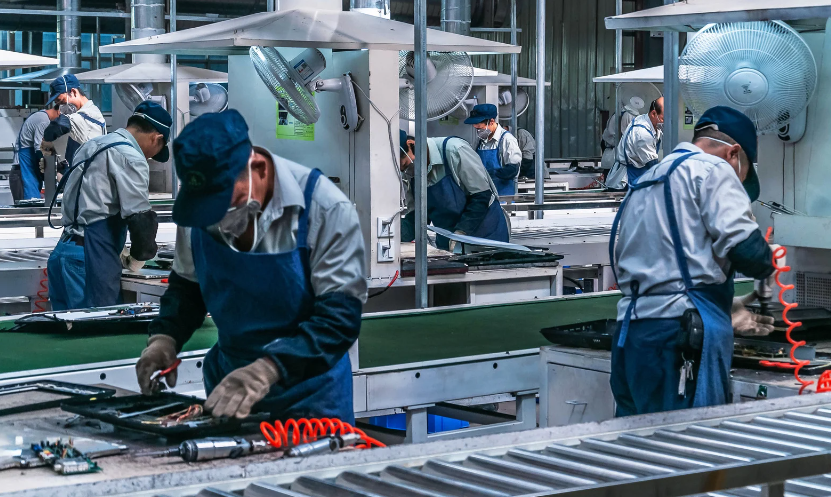
Automotive and manufacturing is where Hiroshima distinguishes itself. Mazda actively recruits internationally for roles in global purchasing, product planning, overseas marketing, and engineering. Suppliers in the Mazda ecosystem — including mid-sized companies in Aki-ku and Fuchu-cho — also hire for logistics coordination and technical documentation, where bilingual ability is a genuine asset. These roles typically require some Japanese (JLPT N3 or above is often preferred, though not always required for specialist positions).
Tourism and hospitality has grown significantly since Hiroshima established itself as a major international destination. Hotels, tour companies, and the growing short-term rental sector all need English-capable staff. The atomic bomb memorial tourism circuit draws visitors year-round, and Miyajima Island, accessible from the city, adds to sustained demand. These roles are generally not high-paying but offer flexibility and relatively low barriers to entry.
IT and software is a smaller but expanding sector. Several regional IT firms and outsourcing companies based in Hiroshima handle work for national clients and need developers and project managers with English capability. Remote work arrangements have also allowed some Hiroshima-based employers to recruit more flexibly than before.
International trade and logistics connects the port, the manufacturing sector, and overseas partners. Roles in import/export documentation, customs coordination, and client communication with overseas offices appear regularly, especially at mid-sized trading companies with English-language client bases.
A note on common mistakes in this stage: many foreigners limit their search to companies they recognize or roles clearly labeled “English OK.” In Hiroshima, some of the best opportunities are at mid-tier Japanese manufacturers who have international operations but haven’t built a polished English recruitment presence. Searching only for multinational employers means missing a significant slice of the market.
Where to live and commute basics
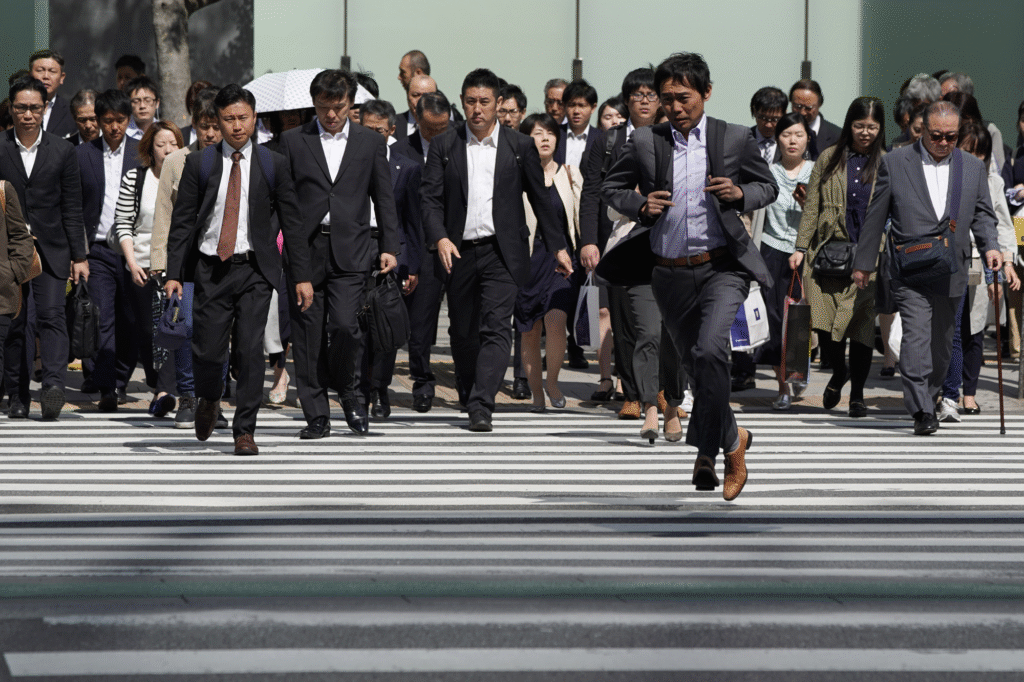
Hiroshima’s tram (streetcar) network is genuinely useful and covers most of the central city. The main residential neighborhoods for expats tend to cluster around Naka-ku (central, walkable, higher rent), Minami-ku (close to the station and port), and Nishi-ku (quieter, more residential, good value). Further out, areas like Asaminami-ku offer affordable housing with reasonable commute times by train.
If you’re working at Mazda, be aware that the headquarters in Fuchu-cho is east of the city center, accessible by JR Kure Line or Mazda Zoom-Zoom Stadium Station. Many Mazda employees live in the Minami-ku or Hiroshima Station area for the commute convenience.
Typical monthly rent in Hiroshima: a 1K or 1DK apartment in a central area runs roughly ¥50,000–¥75,000. Further out, the same type of apartment can be ¥35,000–¥55,000. This is substantially lower than Tokyo or Osaka, which is one reason the effective quality of life on a Hiroshima salary compares favorably even if the nominal figure is lower.
Getting a lease as a foreigner in Hiroshima is not without friction. Guarantor requirements, foreign-resident-specific paperwork, and agencies with limited English ability are real obstacles. Going through a foreigner-friendly real estate agent (some operate specifically in the Hiroshima market) helps considerably. Your employer’s HR team can often point you toward resources or provide a letter of employment that smooths the process.
Car ownership: for central city living, it’s optional. If your role is outside the central tram network — at a factory in Aki, for example — it becomes more practical. Parking is cheap compared to Tokyo, so owning a car in Hiroshima is far less punishing financially
Application strategy
The practical reality of applying for work in Hiroshima as a foreigner: local Japanese job boards have listings, but many are in Japanese only and assume you’re already in Japan. Foreigner-focused platforms that list Japan-wide roles also include Hiroshima positions and are easier to navigate without fluent Japanese.
Start by identifying your category: are you a specialist (engineer, developer, finance professional) or a generalist (coordinator, teacher, hospitality)? Specialists have more negotiating power and should target companies in the automotive supply chain or IT sector directly, with a tailored Japanese-style resume (rirekisho) and a professional summary in English.
The rirekisho matters here. Even international companies in Hiroshima expect a formatted Japanese-style CV alongside any English resume. Templates are widely available and it’s worth having a Japanese-speaking contact review yours before submission. Cover letters (shokumu keirekisho for experienced applicants) should highlight not just your skills but your commitment to the region — mentioning why you want to work in Hiroshima specifically reads as a positive signal.
For interviews, expect a structured, formal tone on the Japanese employer side, especially in manufacturing. Multiple rounds are common. First rounds are increasingly done by video. Be ready for questions about your long-term plans, your reasons for choosing Japan, and how you handle working across language barriers.
Timing matters: April and October are the traditional hiring seasons in Japan, with many companies starting new employees at those points. Submitting applications in the January–February window (for April start) or July–August window (for October start) puts you ahead of the cycle.
ComfysCareer lists foreigner-friendly employers across Japan, including Hiroshima-specific roles that are updated regularly — a practical place to begin your search without sifting through Japanese-only boards.
Onboarding checklist
Once you have an offer, the practical work begins. Japanese onboarding has specific requirements that catch many new foreign employees off guard.
Before your start date:
- Confirm your visa status. If your employer is sponsoring a work visa (Engineer/Specialist in Humanities/International Services is the most common), allow 4–8 weeks for processing. Don’t hand in notice at a previous job until your Certificate of Eligibility (COE) is confirmed.
- Register at your local ward office (ku-yakusho) within 14 days of arrival or moving. You’ll receive your My Number card, which is required for payroll, health insurance, and pension enrollment.
- Open a Japanese bank account. Most employers pay via direct deposit to a Japanese account. Japan Post Bank (yucho) tends to be the most foreigner-accessible option; some regional banks in Hiroshima have English-capable staff.
- Once you accept an offer, a hanko can help with HR forms and banking — order a custom seal from HankoHub.
- Arrange housing before your start date if at all possible. Starting a new job while also apartment-hunting is stressful and logistically difficult.
First week:
- Complete health insurance and pension enrollment paperwork (your HR team will guide this, but bring your My Number card).
- Confirm your commuting route and whether commuting expenses are covered (they usually are, up to a cap).
- Set up your company email and understand any required IT security protocols.
- If your workplace is mostly Japanese-speaking, identify a colleague who can help with informal translation during the settling-in period — most Japanese coworkers are willing to assist.
First month:
- If Japanese ability is relevant to your role, identify any language training support your employer offers (larger companies, including some Mazda suppliers, offer in-house lessons or subsidize external courses).
- Understand the performance review cycle — many Japanese companies do reviews in September and March.
- File your residence tax registration properly (your ward office can walk you through this).
FAQ
Do I need to speak Japanese to find a job in Hiroshima? It depends on the role and employer. English teaching positions require no Japanese. International-facing roles at manufacturers sometimes require only basic conversational Japanese. Roles primarily serving Japanese-speaking colleagues or clients generally require at least JLPT N3. Being transparent about your level at application is better than overstating it — companies will test you.
Is it harder to find work in Hiroshima than in Tokyo? In terms of volume, yes — there are fewer listings. But competition from other foreign applicants is also lower, and employers in Hiroshima often place high value on candidates who have specifically chosen the city rather than defaulting there. A clear, genuine reason for wanting to be in Hiroshima reads well in interviews.
Can I work in Hiroshima on a working holiday visa? Yes. Australia, Canada, Ireland, the UK, and several other countries have working holiday agreements with Japan. A working holiday visa allows you to work for any employer, but individual employment periods with a single employer are sometimes capped. Check the current terms for your nationality, as these agreements are updated periodically.
Will my employer sponsor a work visa? Sponsorship varies by employer and situation. Larger manufacturers and established companies are more likely to sponsor; small businesses and part-time roles generally do not. If visa sponsorship is a requirement, confirm it explicitly before beginning the application process — don’t assume.
What’s the cost of living comparison with Tokyo? A practical way to think about it: a salary of ¥280,000/month in Hiroshima often provides a more comfortable lifestyle than the same figure in Tokyo, once you account for rent, transportation, and daily costs. The gap is meaningful, especially for newcomers building savings.
Is Hiroshima a good place to settle long-term as a foreigner? Many foreigners who come for a teaching role or a short-term contract end up staying. The city has an established expat community, good access to nature (the Seto Inland Sea, Miyajima, the Chugoku mountains), and a pace of life that many find more sustainable than Tokyo. Long-term residents frequently cite community quality and livability as primary reasons for staying.
Next steps
If Hiroshima sounds like the right fit, the practical next move is to start searching for roles that match your background and visa situation. ComfysCareer is built specifically for foreigners navigating Japan’s job market — you can filter by location, industry, and English-friendliness to find Hiroshima employers who are actively looking for international candidates. Browse current listings, review what each employer expects, and apply directly. The market moves at a measured pace, so starting your search early gives you the best chance of landing the right role on your timeline.